

WELCOME TO THETHE EDITOR’S EDIT
Where real, proven beauty wisdom meets a sensible approach to self care. Think of this as your insider’s guide to the beauty industry—and the latest products that are actually worth purchasing. At The Editor's Edit, I hope to foster an open, elevated dialogue with a contributing beauty editor at W magazine. This isn't about the fleeting allure of some sexy packaging. We're unearthing beauty gems that will transform you from the inside out, and will resonate among those with discerning tastes.
I aim to cover the beauty world with (at times brutal, but necessary) honesty and thoughtfulness, sharing only the most effective, science-backed finds amid a dizzying, saturated market filled with products and brands. The Editor's Edit is a celebration of beauty as an art form, curated for consumers who appreciate quality products—from the award-winning classics to cutting-edge newcomers.
Beyond the realm of potions and lotions, I weave into The Editor's Edit snippets from my own life in L.A.: a tapestry of fashion, travels, and moments as a mom, wife and writer, all shared from the heart of the city. Consider this a glimpse into a world where everyday luxuries are savored, and beauty is an expression of our most creative selves.
With Love and Gratitude,


Your Next Facelift Might Be Planned by AI

By Dr. Jason Champagne
The first thing I ruled out when we began developing REPHINE was a beauty score. A number can feel authoritative, and people may treat it as a verdict. It can make someone feel that their face has been graded against a single ideal and that every difference counts against them. After years of evaluating faces as a facial plastic surgeon, I know how little such a score would reveal.
People are naturally curious about their faces. They notice that one brow sits differently, that their jawline has changed, or that a photograph looks unfamiliar from a certain angle. Curiosity does not automatically signal a problem or a need for treatment. It can simply be a wish to understand what we see.
REPHINE grew out of that idea. I wanted to give people a private, interesting way to study their own features without telling them what they should change. My role was to establish the philosophy behind the app and direct what its artificial intelligence evaluates. The same principles guide my practice: balance, symmetry, individual anatomy, natural results, professional experience, and careful case analysis.
A user takes or uploads a photograph. The app identifies visible facial landmarks and studies how features relate to one another. It then offers personalized insights about balance and symmetry, along with notes on individual characteristics. We chose the word insights deliberately. The app does not recommend procedures, diagnose a condition, or determine whether someone is a candidate for treatment.
A photograph carries less information than most people assume. Lighting can sharpen or soften a contour. Expression changes the position of facial features. Camera angle, perspective, and lens properties also affect what we see. REPHINE can describe relationships within the image it receives, but the result remains an AI interpretation of a photograph. It is not my personal evaluation of the person using it.
The aging feature is exploratory. It offers a visualization of how a face may change over time. It is not a forecast. Genetics, sun exposure, daily habits, and changes in skin, soft tissue, and bone all influence aging. The feature gives users another way to explore a familiar question without pretending to know exactly what their future face will look like.
A medical consultation involves much more. I evaluate the patient's anatomy in person, review medical history, and listen to goals. The examination also considers the skin, soft tissue, and underlying bone structure. I decide whether any procedure is appropriate at all. A single image cannot supply that information, and an app cannot decide whether someone is a candidate for a facelift or any other procedure.
Facial scoring tools and beauty filters can encourage the idea that there is one correct face. Social media already creates pressure to copy the same proportions and features. I required REPHINE to work from the relationships within each person's face rather than compare everyone with a universal ideal. The system begins with individuality.
The best outcome may be a better question. Someone may notice a change but have trouble describing it. Seeing the face through a different perspective can help that person speak more clearly with a qualified specialist. The clinical evaluation still stands on its own.
Use REPHINE with curiosity. Let it show you a new way to look at the face you already have. If that exploration leads you to consider medical treatment, begin the decision with a qualified specialist who can see the full person, not only the photograph.
Dr. Jason Champagne, MD is double board-certified in facial plastic, reconstructive, and head and neck surgery, and practices in Beverly Hills, California. He earned his medical degree from Louisiana State University School of Medicine in New Orleans, completed his residency in otolaryngology and head and neck surgery at the Medical College of Georgia, and went on to complete an elite fellowship in facial plastic and reconstructive Surgery at the University of California, San Francisco.
We Need to Stop Waiting for Alzheimer’s
Stop waiting for a cure, and start building brain resilience today.
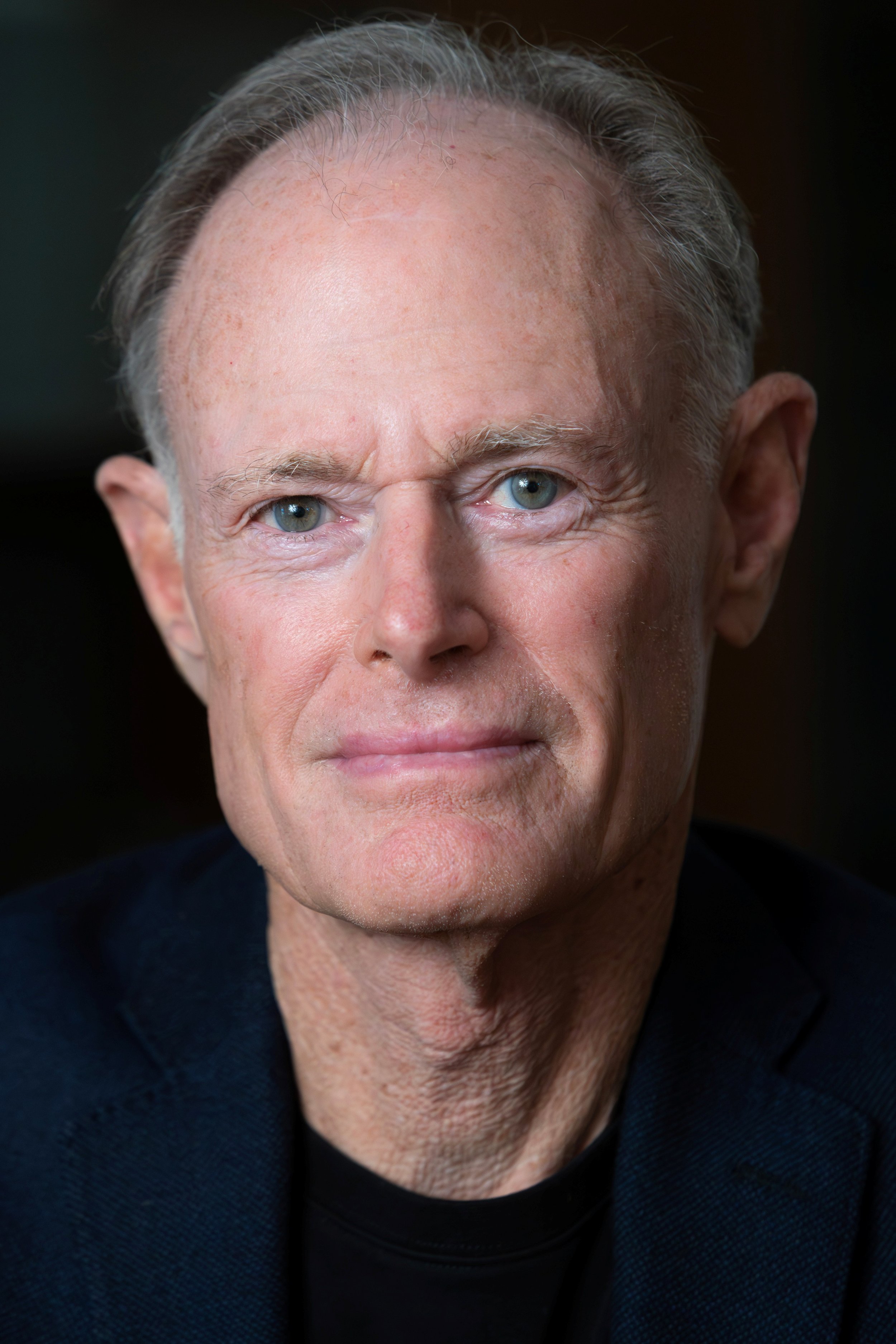
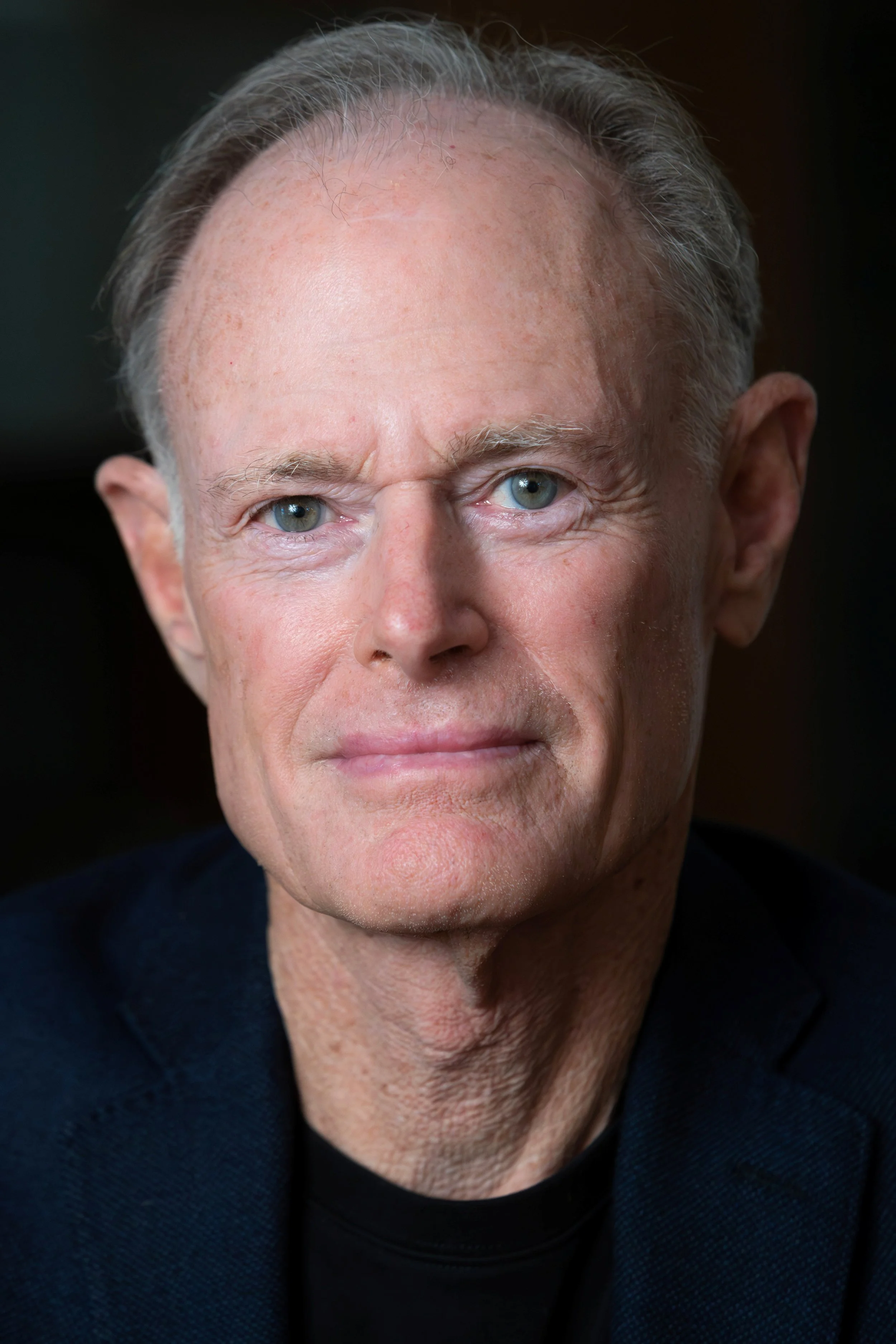
By Dr. David Perlmutter
For decades, we've been told a story about Alzheimer's disease. It goes something like this: wait until memory begins to fail, make the diagnosis, and then prescribe a drug designed to remove beta-amyloid from the brain. It sounds logical, and for years it has dominated research, clinical practice, and media coverage. Unfortunately, it has also distracted us from the most important opportunity we have to protect our brains.
The problem is that this approach simply doesn't work.
Despite tens of billions of dollars invested in the amyloid hypothesis, we have yet to develop a treatment that meaningfully changes the course of Alzheimer's disease for most people. More troubling still, this strategy ignores the decades-long process during which the disease is quietly developing, and the enormous opportunity we have to intervene long before symptoms ever appear.
The latest evidence makes this impossible to ignore. A comprehensive 2026 Cochrane review evaluated the newest generation of anti-amyloid monoclonal antibody drugs. While these medications successfully reduced amyloid deposits in the brain, they produced little if any clinically meaningful improvement in memory, thinking, or the ability to function independently. At the same time, they significantly increased the risk of serious adverse effects, including brain swelling, brain bleeding, hospitalization, and, in some cases, death.
That distinction is critically important. Removing amyloid is not the same thing as restoring brain health. We've confused changing a laboratory measurement with changing a person's future. Imagine trying to restore a dying forest by painting diseased trees green. The appearance changes, but the ecosystem remains unhealthy. That's essentially what we've been doing with Alzheimer's disease.
The unfortunate consequence is that millions of people have come to believe there is little they can do until symptoms begin. That message is not only discouraging, it is profoundly wrong.
Former President John F. Kennedy once said, "The time to repair the roof is when the sun is shining." I can think of no better description of how we should approach Alzheimer's disease.
By the time someone notices memory loss, the biological processes driving neurodegeneration have often been underway for twenty or even thirty years. Long before a diagnosis is made, inflammation has been smoldering, metabolism has become impaired, mitochondria have become less efficient, and the brain has gradually lost much of its resilience. Waiting until cognitive decline appears is like waiting until your home is flooded before repairing a leaking roof. At that point, damage control becomes far more difficult than prevention.
Fortunately, we now have compelling evidence that prevention is not simply possible, it may represent our greatest opportunity to reduce the burden of dementia.
The landmark 2024 Lancet Commission on Dementia Prevention, Intervention and Care reviewed decades of scientific evidence and concluded that addressing fourteen modifiable lifestyle and health factors could prevent or delay nearly half of dementia cases worldwide. Think about that for a moment. Nearly one out of every two people who might otherwise develop dementia may never do so if these factors are addressed throughout life.
That represents one of the most empowering messages in modern medicine.
But to understand why lifestyle has such a profound effect, we need to shift our attention away from beta-amyloid and toward what I believe is the real story of Alzheimer's disease: the brain's immune system.
In Brain Defenders, I describe the remarkable cells known as microglia. Once considered little more than the brain's housekeeping staff, these immune cells are now recognized as central players in virtually every neurodegenerative disease, including Alzheimer's, Parkinson's disease, ALS, and many others.
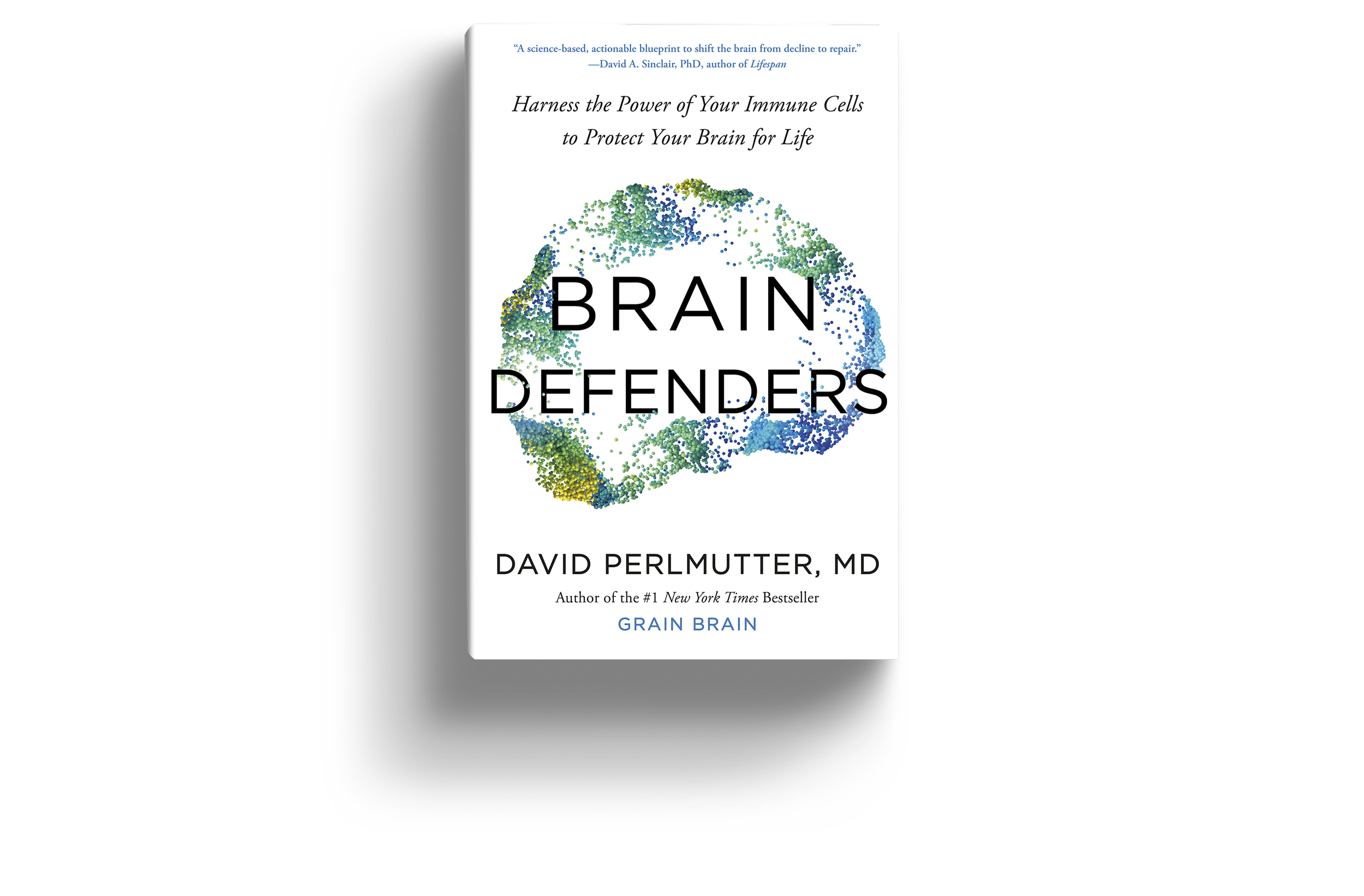
The cover of Dr. Perlmutter’s upcoming book.
Healthy microglia are extraordinary. They constantly patrol the brain, clearing away damaged cells and toxic debris. They eliminate worn-out synapses while strengthening important neural connections. They protect against infection, coordinate repair after injury, support the health of neurons, and help maintain the extraordinary adaptability that allows our brains to continue learning throughout life. Quite literally, they are the brain's defenders.
The problem is that microglia are incredibly sensitive to the environment we create for them.
Chronically elevated blood sugar, insulin resistance, excess visceral fat, highly processed foods, physical inactivity, poor sleep, chronic psychological stress, social isolation, environmental toxins, and even disturbances in the gut microbiome can all push these cells away from their protective role and into a chronically activated inflammatory state. Once that happens, they begin producing inflammatory chemicals that damage synapses, impair communication between neurons, disrupt energy production, and make the brain increasingly vulnerable to degeneration.
This shift in microglial behavior helps explain why Alzheimer's disease is so closely associated with metabolic dysfunction. It also explains why simply removing amyloid misses the bigger picture. Amyloid may be present, but it is the environment surrounding those plaques, and particularly the behavior of microglia, that often determines whether the brain remains resilient or begins to fail.
The exciting news is that microglia are remarkably responsive to positive lifestyle choices. Unlike our genes, our daily habits are largely under our control. Every meal, every walk, every night's sleep, every meaningful conversation, and every effort to reduce stress sends signals that influence whether these immune cells remain protective or become destructive.
When people ask me where to begin, I focus on five foundational interventions.
First, optimize metabolic health. Stable blood sugar and improved insulin sensitivity may be the single most important strategy for maintaining healthy microglial function. This means emphasizing whole, unprocessed foods while minimizing refined carbohydrates and ultra-processed products that drive inflammation.
Second, exercise regularly. Physical activity improves mitochondrial function, increases insulin sensitivity, stimulates brain-derived neurotrophic factor (BDNF), reduces systemic inflammation, and helps keep microglia functioning as protectors rather than aggressors. Exercise is one of the closest things we have to a true brain-protective medicine.
Third, prioritize restorative sleep. Deep sleep is when the brain clears metabolic waste through the glymphatic system, recalibrates immune activity, consolidates memory, and restores itself. Chronic sleep disruption places microglia into a persistent inflammatory state that increases vulnerability to cognitive decline.
Fourth, cultivate meaningful social connection while continuing to challenge your brain. Human relationships, curiosity, lifelong learning, and a strong sense of purpose all enhance cognitive resilience while reducing the harmful biological effects of chronic stress.
Finally, spend time in nature and actively manage stress. Time outdoors, mindfulness practices, meditation, gratitude, and other stress-reduction techniques calm inflammatory pathways that otherwise chronically activate the brain's immune system. These are not luxuries—they are biological interventions that influence how the brain ages.
Notice that none of these interventions targets beta-amyloid directly. Instead, they improve the environment in which the brain either thrives or degenerates. They work upstream, addressing the biological processes that determine whether the brain remains resilient in the face of aging and disease.
This is why I remain profoundly optimistic about the future of brain health. We now understand that our everyday choices communicate directly with our genes, our metabolism, our mitochondria, our microbiome, and, perhaps most importantly, our brain's immune cells. Those signals accumulate over decades, shaping whether our brains age with vitality or succumb to neurodegeneration.
The future of Alzheimer's will not be transformed simply by developing another drug that removes another protein from the brain. It will be transformed when we stop waiting for disease to appear and start building brain resilience decades before symptoms begin.
We don't have to sit on the sidelines hoping Alzheimer's never arrives. We have the opportunity, beginning today, to create the biological conditions that allow our brains to remain healthy, adaptable, and resilient throughout life.
That, to me, is the future of Alzheimer's prevention. And it is one of the most hopeful messages medicine has ever had to offer.
Dr. David Perlmutter is a Board-Certified Neurologist and six-timeNew York Times best-selling author whose work focuses on the intersection of neurology, nutrition, and brain health. A Fellow of the American College of Nutrition, he serves on its Board of Directors and on the Editorial Board of the Journal of Alzheimer’s Disease. His books, including the #1 bestseller Grain Brain, have been published in 32 languages and sold over a million copies. Dr. Perlmutter lectures globally at leading institutions and has been featured on major media outlets including 20/20, CNN, The Today Show, and Oprah.His contributions have earned him numerous national and international awards for clinical innovation and leadership. His upcoming book,Brain Defenders, focuses on the pivotal role of microglia, the brain’s immune cells, in protecting, repairing, and reprogramming the brain for lifelong resilience, and is now available for pre-order.
When the Face and the Hands Tell Different Stories
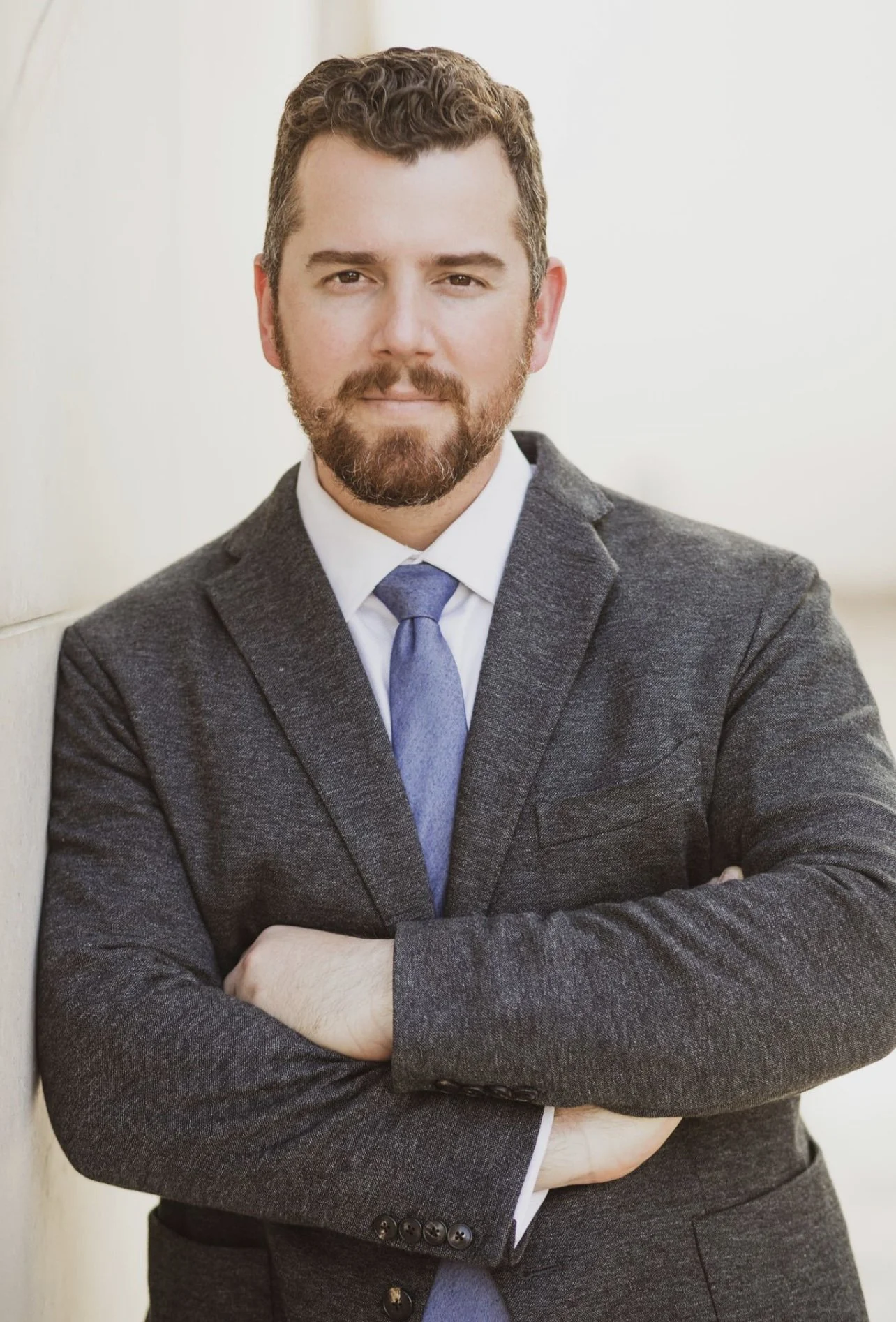
By Dr. Daniel Gould
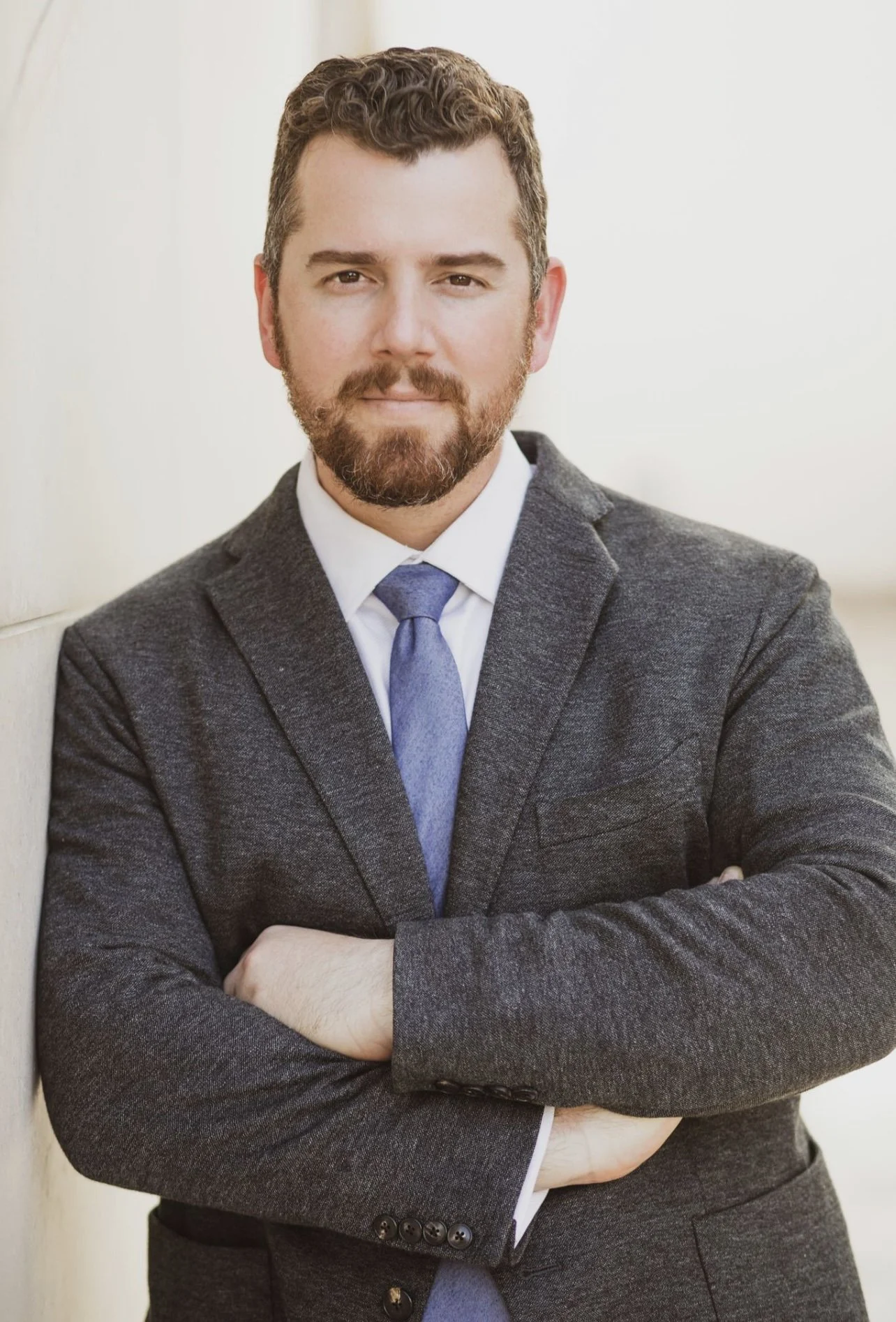
After decades of perfecting facial rejuvenation, we are finally addressing the part of the body that reveals what the face no longer does…
I am writing this to you from a short break between cases, in the surgeon's lounge, having just finished exactly the procedure I want to describe. A patient's hands. Nanofat and structural fat placed layer by layer into the dorsum, CO2 laser resurfacing across the surface, AquaGold micro-infusion of stem cells at the dermal level, and topical platelet-derived exosomes applied at the end of the case. About ninety minutes of concentrated work. I am typing this with the case still fresh in my head, which is probably the honest place from which to write about it.
A patient I have seen for years walked into my office not long ago. Her face was beautifully rested, cared for meticulously over a decade of thoughtful, restrained work. She sat down, glanced at her own hand resting on the arm of the chair, and said, "These do not match anymore, do they."
I have been turning that sentence over in my head ever since. Not because it surprised me, but because it did not. That moment happens now with a frequency I did not see even five years ago. The consultation that used to begin with "I want to look younger" now begins, more and more often, with something quieter and more honest. Patients want their face and their neck and their skin and their hands to look like they belong to the same person.
That is the change I want to write to you about.
Twenty years ago the practice of aesthetic medicine was largely a pursuit of wrinkles. A patient came in unhappy about a specific line or fold, we addressed it as an isolated problem, and both of us moved on. We measured our results against a photograph of that specific line, and rarely against the whole face. I remember training that way, and I remember believing it was the right way to think about the work. It was not.
What has happened in the intervening years, and what I think your readers deserve to understand, is that the field has grown up. We are no longer chasing individual features. We are pursuing congruency. When a face has been beautifully restored but the neck has not, the eye reads dissonance. When the neck has been addressed but the décolletage has not, the story falls apart in a different place. And when everything above the wrists has been cared for but the hands still belong to a different decade, the whole illusion breaks. The best aesthetic surgery I know how to practice today is not surgery that makes any one part of a person look younger. It is surgery that makes every part of them look like it belongs together.
Which is why the hands have become the frontier they have become.
They are not new. Hands have always aged. What is new is that patients and surgeons are finally paying attention to them, and the reason we are paying attention to them now is that everything else has caught up. When a face has been restored so precisely that no one can identify what was done, the hand becomes the last part of the visual story that has not been retold. It sits there on the dinner table, in the phone camera, in the gesture across a boardroom, and it holds the age the rest of the person has quietly moved past.
Hand aging is a different physiological problem from facial aging, and I think it is worth understanding why. The face descends. That is shorthand for what actually happens, which is a slow migration of ligaments, fat compartments, and soft tissue away from where they were originally anchored. Facial rejuvenation, done well, is really a return of those structures to where they began. The hand does not descend. The hand thins. The soft tissue scaffold between the metacarpal bones and the dorsal tendons deflates, the veins beneath become prominent, the skin loses collagen and dermal thickness, and the surface accumulates pigment from decades of light exposure. The sum of those changes is a hand that looks skeletal and crepey while the face above it looks rested and full. Two different problems. Two different solutions. One shared visual conversation.
The way I approach that solution is not with any single intervention. I have come to believe, over the last decade of operating and treating and revising the results of both, that aesthetic aging rarely responds to one thing. It responds to the layered application of many things, matched to what the tissue actually needs. On the hands specifically, this means using the patient's own fat to rebuild the structural scaffolding that has thinned, using more finely prepared fat and its regenerative fraction to signal the skin toward better dermal quality, using fractional CO2 laser resurfacing to remodel collagen and address surface pigment, delivering stem cells at the dermal level through devices like AquaGold, and pairing all of it with topical exosome preparations and medical-grade skincare, retinoids in particular, to maintain the biology of the skin over time. That is the exact sequence I finished on the case an hour ago, and it is representative of how I approach nearly every hand rejuvenation now.
When I integrate exosomes and other emerging regenerative technologies, I try to remain intellectually honest with my patients about where that science actually is. The clinical results have been genuinely encouraging. But some of the promises being made in the regenerative space are still ahead of the data, and I would rather understate what a treatment can do than overpromise it.
What I want to communicate, more than any specific list of treatments, is a way of thinking about tissue that I have come to hold quite deeply. Fat is not filler. It is living tissue, capable of adjusting the biological environment around it in ways that a synthetic product cannot. The best aesthetic medicine treats the human body as a biological system to be respected, not a surface to be corrected. Improving the quality of the tissue itself, not merely disguising the effects of its decline, is what allows a result to hold up over years rather than months. And healthy tissue, tissue that has been supported and signaled and cared for, ages better than tissue that has not. That principle applies as much to a hand as it does to a face.
There is a related idea I have been sitting with lately, and I think it is where the field is genuinely heading. Patients, at least the patients I sit across from, do not want to look younger anymore. They want to age intelligently. They want to arrive at seventy looking like themselves at seventy, still recognizable, still congruent, without the ghost of surgery in the room. That is a more subtle project than the aesthetics of twenty years ago, and it demands more of us. It demands that we treat the whole person, not the wrinkle in front of us. It demands that we choose preservation over replacement wherever we can. It demands that we take seriously the parts of the body that used to feel too minor to address, because a small area of dissonance can undo the whole result.
I do most hand rejuvenation in the same operative visit as facial or neck work. There is a practical logic to that. The fat is already being harvested. The patient is already inside a recovery window. Adding the hands adds relatively little time and produces the congruency that gives the rest of the work its full effect. But I do the procedure just as often on its own, as I did today, for patients who have not had facial surgery but who have noticed the same visual mismatch I described earlier. Either version works. The judgment is about what the patient actually needs, and it is a conversation, not a script.
I want to end where I would rather have started, if the shape of an essay allowed it. Perhaps the hands were never overlooked. Perhaps we simply were not ready, as a field or as patients, to appreciate how much they contribute to the way we perceive age. The best aesthetic surgery I know how to practice is not the surgery that makes one feature younger. It is the surgery that makes every feature tell the same story.
That is the direction I think the field is moving. And I am grateful, Maryam, for the space to think out loud about it. Now I need to go scrub back in.

The FDA Finally Said Yes. Then Left Women Without Estrogen
Yes, the FDA Gave Us Permission, But Then Left Us to Fend for Ourselves….

By Jacqueline “Jack” Perez
Let me set the scene.
You spent years being told estrogen was dangerous. Your doctor took you off it. You read the warnings. You believed them. You pushed through the hot flashes, the brain fog, the sleepless nights, the anxiety that arrived uninvited somewhere around 48 and never quite left. You did what you were told.
Then, in November 2025, the FDA removed the black box warnings from hormone replacement therapy products. Warnings in place for more than 20 years, warnings that scared an entire generation of women away from a medication that could have helped them, were finally, officially, acknowledged as overstated. The science had moved on. So had the FDA.
We exhaled. We called our doctors. We got our prescriptions.
And then we went to the pharmacy and were told our estrogen patches were on backorder.
Here is what the data made clear long before the FDA removed those warnings: demand would surge. It wasn't a guess. Prescriptions for estrogen-based therapies had already climbed 86% since 2021. Among women ages 45 to 54, prescribing rates had jumped 184% since 2018. By February 2026, roughly one in 20 women in that age group had an active estrogen prescription. Anyone paying attention could see what was coming.
What happened the moment those black box warnings came off? Prescriptions increased another 20% between July 2025 and February 2026 alone.
The system was not ready, and honestly, it was never going to be. Only five companies manufacture estrogen patches for the entire U.S. market. All five are currently running at full capacity. There is almost no buffer. Here's why: estrogen patches are generic drugs. No patent protection means no pricing power, which means margins are thin, which means no company has a financial incentive to invest in extra manufacturing capacity. Nobody builds expensive new production lines for a drug they can't charge a premium for. Brands like Dotti and Lyllana went on backorder with no clear return date. The American Society of Health-System Pharmacists listed more than 10 estrogen patch products on its drug shortage bulletin by February 2026. One manufacturer, Sandoz, publicly stated that the FDA's November decision had "created unprecedented demand that cannot fully be met at present." That's a polite way of saying: we didn't see the point in preparing for this, and now here we are.
The shortage is international. It's projected to last up to three years.
And the FDA? The FDA has not declared an official shortage.
Read that again.
Women across the country are walking into pharmacies and being told their medication is unavailable. Their doctors are calling around. They're driving to independent pharmacies, splitting doses, switching to formulations that don't work as well for them, or going without entirely. The American Society of Health-System Pharmacists is tracking the shortage. Manufacturers are acknowledging the shortage. Telehealth companies are scrambling to help their patients navigate the shortage.
But the FDA chief, Dr. Marty Makary, told NBC News the demand surge was real—just "not enough to cause a shortage."
Tell that to the woman who stopped sleeping again. Tell that to the one who thought the brain fog was finally behind her. Tell that to the women who had to explain to their doctors why they can't just "try a cream instead" when what they need is the patch they've been on for two years, and their body knows how to use.
The FDA's position is a semantic argument dressed up as a regulatory stance. No official shortage means no formal response. No formal response means no pressure on manufacturers, no expedited approvals for new production lines, no urgency. Meanwhile, women's symptoms are returning while officials debate the paperwork.
We have seen this before. After the Women's Health Initiative study in 2002, millions of women went without hormone therapy for two decades—based on risks that later research showed had been dramatically overstated. The removal of the black box warning was an admission that the system failed us. What's happening now is the same failure, just a different chapter: once again, the people in charge have moved without thinking about what happens next for us.
There's a financial cost to this that no one wants to name. When estrogen levels drop, symptoms return fast. Brain fog. Sleep disruption. Mood crashes. These aren't inconveniences; they are productivity losses, career disruptions, relationship strain. Women in midlife are, by every economic measure, at the peak of their professional and economic power. We are running companies and managing teams, and making consequential decisions while hunting down a medication our doctors confirmed we need. Hormone disruption is not a minor quality-of-life issue. It is a functional impairment. And when the medication that prevents it disappears from pharmacy shelves, the cost doesn't stay with us; it spreads to every household, every workplace, every team we lead.
So what do we do?
For now: ask your doctor about alternatives. Estrogen gels (EstroGel, Divigel) and sprays (Evamist) work the same way–through the skin—and sidestep the supply crunch. Independent pharmacies sometimes have stock that chain pharmacies don't, because their supply chains work differently. Ask about a once-weekly patch as a bridge. Talk to a telehealth provider who specializes in menopause. Companies like Midi Health are in direct conversation with FDA officials right now, advocating for formal recognition of this shortage and expedited manufacturing approvals.
But we also need to be louder than we have been. The FDA responded to the science, eventually. They will respond to organized pressure. The ASHP is tracking this. Midi Health sat down with senior FDA officials in May 2026 specifically to advocate for formal shortage recognition. More of that, please.
We did everything right. We waited for the science to catch up. We waited for the warnings to come down. We showed up at the pharmacy. We are not going to quietly accept being handed a workaround and told to be grateful.
The fight for estrogen didn't end when the black box warning came down. It just moved to the supply chain. The FDA knows we're paying attention now. Let's make sure they feel it.
Jacqueline Perez is the founder and CEO of Kuel Life, a media platform dedicated to normalizing aging for women in midlife and beyond. She writes about all of it—the health crises, the career pivots, the relationships, the reinvention, and the staggering economic power of women the media keeps ignoring.
Sources
NBC News, "FDA claims there's no estrogen patch shortage as women struggle to get prescriptions filled" (May 11, 2026): https://www.nbcnews.com/health/womens-health/fda-estrogen-patch-shortage-hormone-therapy-alternatives-rcna344233
Healthline, "Menopause Estrogen Patches Are in Short Supply. What Are the Alternatives?" (April 15, 2026): https://www.healthline.com/health-news/menopause-estrogen-patch-shortage-after-fda-endorsement
Midi Health, "Why Is There an Estrogen Patch Shortage? Causes & Solutions": https://www.joinmidi.com/post/estrogen-patch-shortage-data
The Pause Life, "Heard About the Estradiol Patch Shortage? Here's How to Avoid Running Out": https://thepauselife.com/blogs/the-pause-blog/heard-about-the-estradiol-patch-shortage-here-s-how-to-avoid-running-out
Celine Gounder, MD, "The Government Told Women to Get Estrogen Patches. It Didn't Make Sure There Were Enough." (April 27, 2026): https://www.celinegounder.com/p/estrogen-patch-shortage-fda-hormone-therapy
Meno & Money, "The Estrogen Patch Shortage Is Real. Here's What's Behind It — and What You Can Do." (March 12, 2026): https://www.menoandmoney.com/p/the-estrogen-patch-shortage-is-real
AARP, "How to Navigate Estrogen Patch Shortages" (March 13, 2026): https://www.aarp.org/health/drugs-supplements/estrogen-patch-shortage-tips/
SynergenX Health, "What to Know About the Current Estrogen Patch Shortage and What it Means for You" (May 7, 2026): https://synergenxhealth.com/what-to-know-about-the-current-estrogen-patch-shortage/
MedFinder, "Lyllana Shortage: What Providers and Prescribers Need to Know" (February 15, 2026): https://www.medfinder.com/blog/lyllana-shortage-what-providers-prescribers-need-to-know-2026
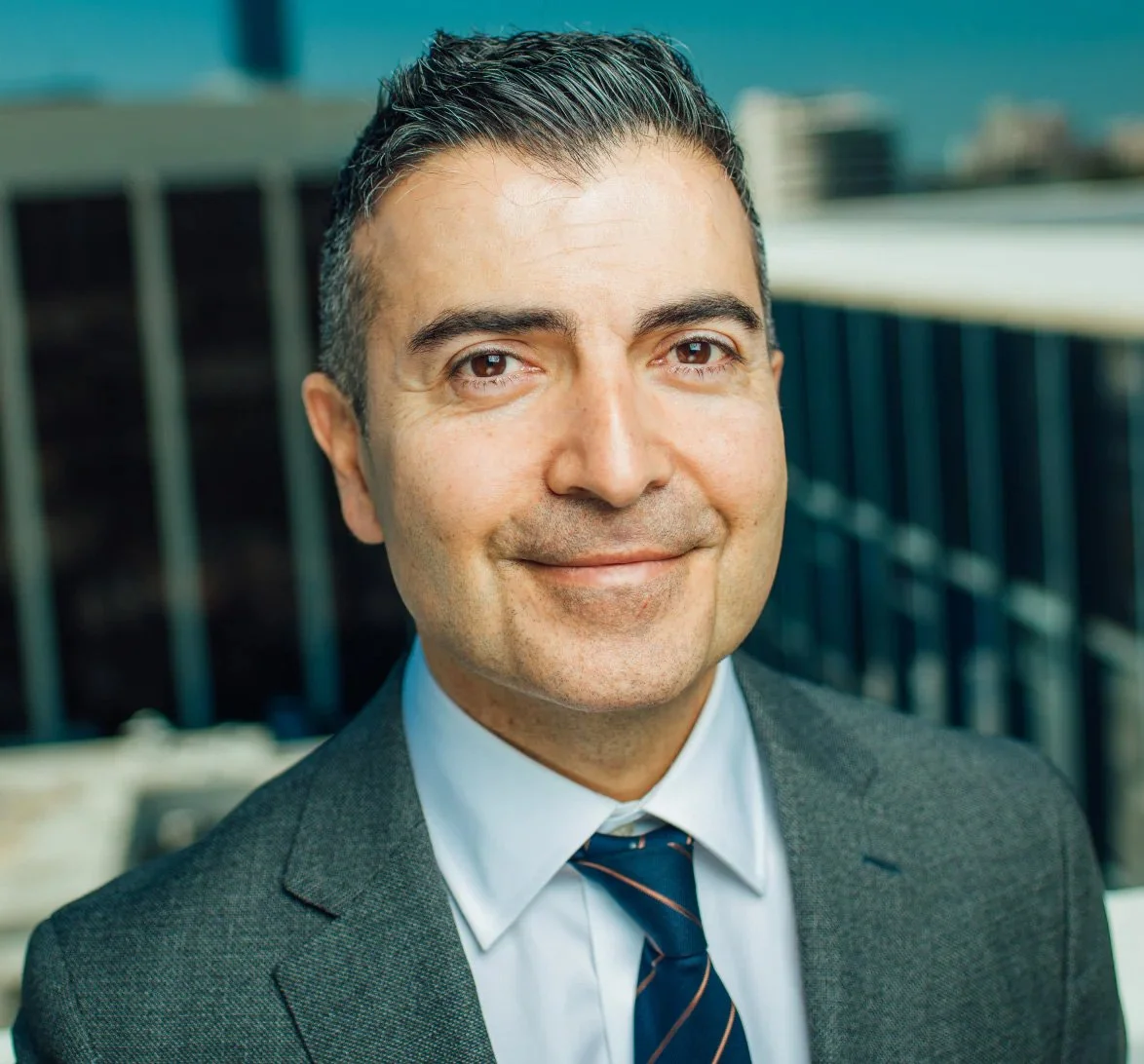
Eat Your Collagen, Don’t Wear It
Dear Maryam,
Collagen is having a moment, and it deserves one. It is the scaffolding of the skin, the protein that gives a face its firmness, its bounce, its youthful architecture. We start losing it in our mid- twenties, and the visible cost is the softening, thinning, and creasing so many of us are trying to slow down.
So the enthusiasm makes sense. The confusion is the problem. The collagen trend is not wrong. It is simply pointed in the wrong direction.
Collagen now sits in serums, creams, masks, powders, and gummies, and most people quietly assume that if a product contains it, their skin must be absorbing it. That is usually not what is happening.
Your skin is a barrier first and a sponge second. Its job, the one it does brilliantly, is to keep the outside world out. The outermost layer, the stratum corneum, is highly selective about what it lets through, and as a rough rule a molecule has to be quite small, under about 500 daltons, to pass into the living skin below. A collagen molecule is enormous by comparison, often around 300,000 daltons. Asking it to cross the skin barrier is like asking a grand piano to slip under a door.
That does not make topical collagen useless. On the surface it behaves as a fine humectant, holding water, softening texture, and making light fall more flatteringly for a few hours. Your face can genuinely look more supple after you use it.
But that is a surface effect, and a temporary one. A conventional collagen cream is not rebuilding the collagen architecture in your dermis. The molecule simply is not reaching the place where collagen is made.
Ingestible collagen works on a different principle, and this is where it gets interesting. Quality oral collagen is hydrolyzed, broken into very small peptides before it ever reaches you. You absorb those peptides into your bloodstream, and they travel everywhere your blood travels, including the deeper layers of your skin. Some serve as raw building material. More intriguingly, research suggests certain peptides act as messengers, signaling the fibroblasts in your dermis, the cells that actually make collagen, to get back to work.
You are not painting collagen onto a wall. You are sending a memo to the construction crew.
But peptides are only half the story, and this is where most people stop too soon. Your body cannot assemble collagen without the right tools, and chief among them is vitamin C. It is not a nice extra. It is required for the chemistry that locks collagen into its stable structure, which is why scurvy, a vitamin C deficiency, shows up historically as skin and connective tissue coming apart. Zinc, copper, and adequate protein matter too. Send the body collagen without enough of these and much of that raw material simply goes unused, lumber delivered to a site with no crew to build.
I did not learn this from skincare. I learned it in the burn and intensive care units, where the stakes are far higher than a fine line. When someone has to rebuild skin after a serious wound, no one reaches for a cream. We feed them, deliberately, with protein, vitamin C, zinc, and the nutrients the body actually uses to repair itself. Watching that work, over and over, is what changed the way I think about everyday skin aging.
None of this makes supplements magic, and it does not make topicals pointless. Sunscreen protects the collagen you already have from UV damage. A well-formulated vitamin C serum helps defend against oxidative stress. Retinoids, when your skin tolerates them, remain among the best-studied tools we have. Each lane does something real. The key is understanding what each one can and cannot do. If the goal is to build collagen, that work happens from within.
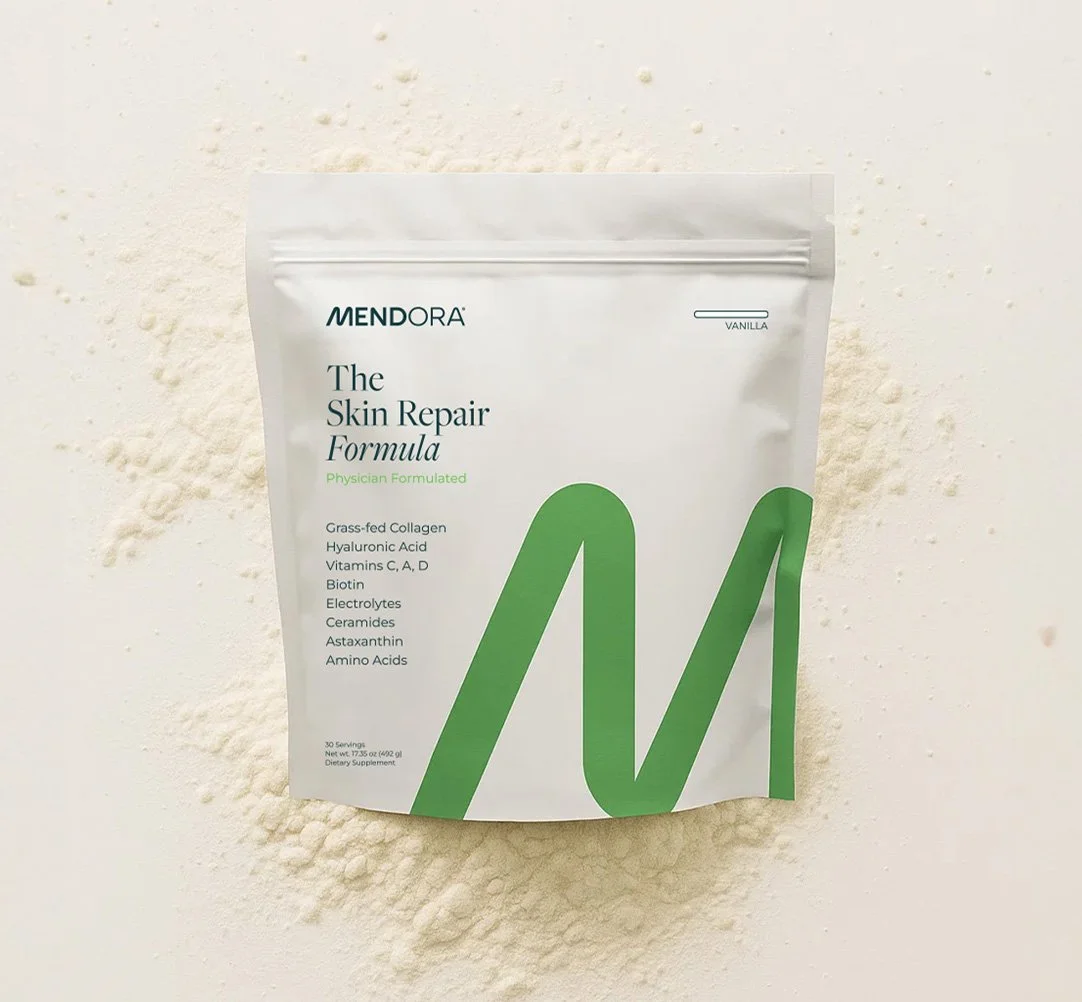
So my practical advice is simple. Look for hydrolyzed collagen peptides, ideally alongside the cofactors that put them to work, vitamin C and zinc among them. Choose a brand that tests its raw materials and is willing to say so. Then give it time, because skin biology does not change overnight. Eight to twelve weeks is a fair window before you judge.
Collagen is not a myth. It is one of the most important molecules in your face. But it is not something you can smooth into place from the outside. Skin rebuilds through biology, not wishful thinking. And biology has to be fed.
Beverly Hills oculoplastic surgeon Dr. Kami Parsa, MD specializes exclusively in reconstructive, revisional and cosmetic surgery of the eyes and surrounding tissue. His signature technique for treating undereye bags - and astonishing Before & Afters - have earned him a one-year consultation waitlist and more than 380k Instagram followers, as his natural looking results are coveted by A-list celebrities and patients around the globe.

Exomind: Can We Train the Brain Like We Do the Body?
By Dr. Desiree Eakin

Dear Maryam,
The next status symbol isn’t six-pack abs, it’s cognitive strength. We count protein grams and steps with near-religious devotion, yet rarely think about training the brain itself, even as the wellness industry finally begins to look north and ask a new question: can we care for the mind with the same intention we care for the body?
The Next Frontier of Wellness Is a Stronger Brain
For the last several years, the wellness conversation has focused on building a stronger body. We track our steps. We lift weights. We monitor our protein, body composition, sleep scores, hormones, glucose, and longevity markers. We know that muscle matters. We know that metabolism matters. And we know that physical strength is one of the most important predictors of how well we age.
But there is another question we are not asking loudly enough: What about a stronger mind?
As a physician practicing integrative and aesthetic medicine, I see this disconnect every day. Patients come in wanting to feel vibrant, focused, youthful, and in control of their health. But beneath the surface, many are quietly worried about their brains. They are forgetting names. Losing focus. Feeling emotionally reactive. Struggling with sleep. Walking into rooms and forgetting why they came in. Feeling foggy, overstimulated, anxious, emotionally flat, or simply unlike themselves.
For some, there is an even deeper fear: “Is this just stress, or is this the beginning of something more?” That fear is understandable. Alzheimer’s disease and dementia are no longer distant concerns reserved for someone else’s family. They are part of the modern health conversation. Many of us have watched a parent, grandparent, spouse, patient, or friend change because of cognitive decline. Once you have seen that happen, brain health stops feeling abstract. It becomes personal.
This is why I believe we are entering a new era of wellness—one that recognizes that brain health is not separate from body health. The brain is the body’s command center. When the brain is under chronic stress, the rest of the body feels it. Stress can affect sleep, blood sugar, hormones, inflammation, appetite, mood, memory, immune function, and even how we recover. The brain is not simply where we think. It is also where we regulate. It helps coordinate how we respond to the world around us and the world within us. When the brain is overwhelmed, under-supported, or dysregulated, the body often follows.
This is where Exomind enters the conversation. Exomind by BTL Industries is a noninvasive technology that uses transcranial magnetic stimulation, commonly known as TMS. In simple terms, it delivers magnetic pulses that stimulate targeted areas of the brain involved in mood, emotional regulation, self-control, and cognitive function. The goal is to encourage healthier communication between brain pathways and support greater efficiency. There is no surgery, anesthesia, or medication involved. A patient sits comfortably during treatment and can typically return to normal activity afterward.
I often explain it to patients this way: we understand the concept of exercising a muscle. If we want stronger legs, we stimulate the muscles through movement and resistance. If we want better cardiovascular endurance, we train the heart and lungs over time. Exomind applies a similar principle to the brain—not by treating the brain as a muscle, but by stimulating targeted neural pathways in a way that may support connectivity, regulation, and resilience.
Exomind is FDA-cleared for the treatment of depression and uses ExoTMS™, BTL’s patented form of transcranial magnetic stimulation. ExoTMS exists within a much larger and rapidly developing field of noninvasive brain stimulation. Researchers are studying how different forms of TMS may influence memory, cognitive decline, mild cognitive impairment, migraine, compulsive behaviors, anxiety, and emotional regulation. These emerging areas of research point toward an exciting possibility: that brain stimulation may one day play a broader role in how we protect and support brain health throughout our lives.
That possibility is especially meaningful at a time when so many people are searching for ways to preserve not only how long they live, but how well their minds function as they age.
In my practice, I use Exomind within a broader integrative medicine framework. Many people first ask about it because they are struggling with mood, brain fog, stress, sleep disruption, binge-eating tendencies, migraines, or the feeling that their brain is not performing the way it once did. Some are high-functioning but exhausted. Some are worried about changes in memory. Others are navigating perimenopause or menopause and are surprised by how much their mental clarity, emotional stability, and motivation have changed.
Although Exomind is FDA-cleared for depression, my clinical experience has encouraged me to think more broadly about the role that brain regulation may play in a person’s overall health and well-being. Patients often describe changes that extend beyond mood alone, including feeling calmer, sleeping better, thinking more clearly, or feeling more capable of following through on healthy decisions. These experiences do not replace clinical research, but they reinforce the importance of continuing to study the relationship between brain stimulation and whole-person health.
What many of these patients have in common is that they do not simply want to feel less bad. They want to feel more like themselves. That distinction matters. For too long, medicine has often waited until the brain is in crisis before intervening. Depression must become severe. Memory loss must become obvious. Burnout must become collapse. But brain health should not begin only when dysfunction is advanced. Just as we talk about preventive cardiology, metabolic health, and strength training for longevity, we need to talk about proactive brain health.
A strong brain is not simply a brain without disease. It is a brain that can adapt, regulate, recover, focus, sleep, remember, connect, and respond rather than constantly react. This is especially important for women. Hormonal transitions, chronic stress, poor sleep, postpartum mood changes, caregiving, professional pressure, inflammation, and metabolic changes can all affect how the brain feels and functions. Many women are told their labs are normal while they are silently struggling with brain fog, irritability, anxiety, low motivation, disrupted sleep, or changes in memory.
We also know that stress does not remain confined to the mind. Chronic stress can disrupt the nervous system, alter hormonal signaling, disturb sleep, increase inflammation, and impair the body’s ability to function and recover at its best. Supporting brain health, therefore, is not only about improving how we think or feel. It is an essential part of supporting the entire body.
Exomind offers one tool that can be incorporated into a more comprehensive approach to brain resilience. It does not replace neurological evaluation, medical care, therapy, movement, restorative sleep, balanced nutrition, metabolic health, or meaningful human connection. Nor is it a cure for Alzheimer’s disease or dementia. But it represents hope and a willingness to think differently about what proactive brain care may look like.
The future of wellness cannot only be about strong bodies. It must also be about how well our brains function. Can we focus? Can we regulate our emotions? Can we recover from stress? Can we sleep? Can we remember? Can we make decisions that support our future selves? That is the conversation I believe Exomind is helping to open. We are not just treating mood. We are rethinking brain health. And in a world where cognitive decline is one of the greatest fears of aging, that conversation cannot come soon enough.
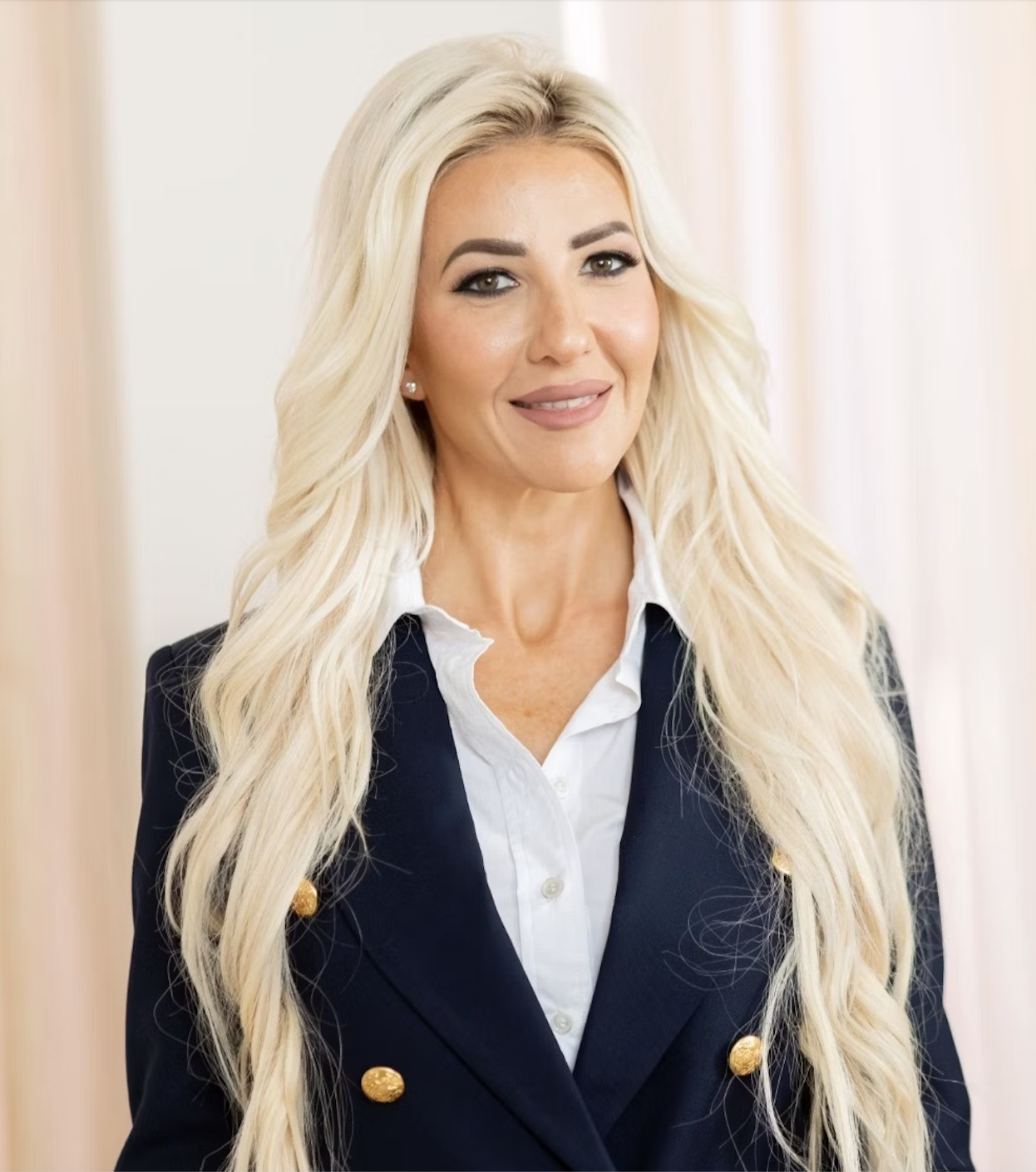
The Modern Breast Lift: Why More Women Are Saying No to Implants
By Kandace Kichler, MD, FACS
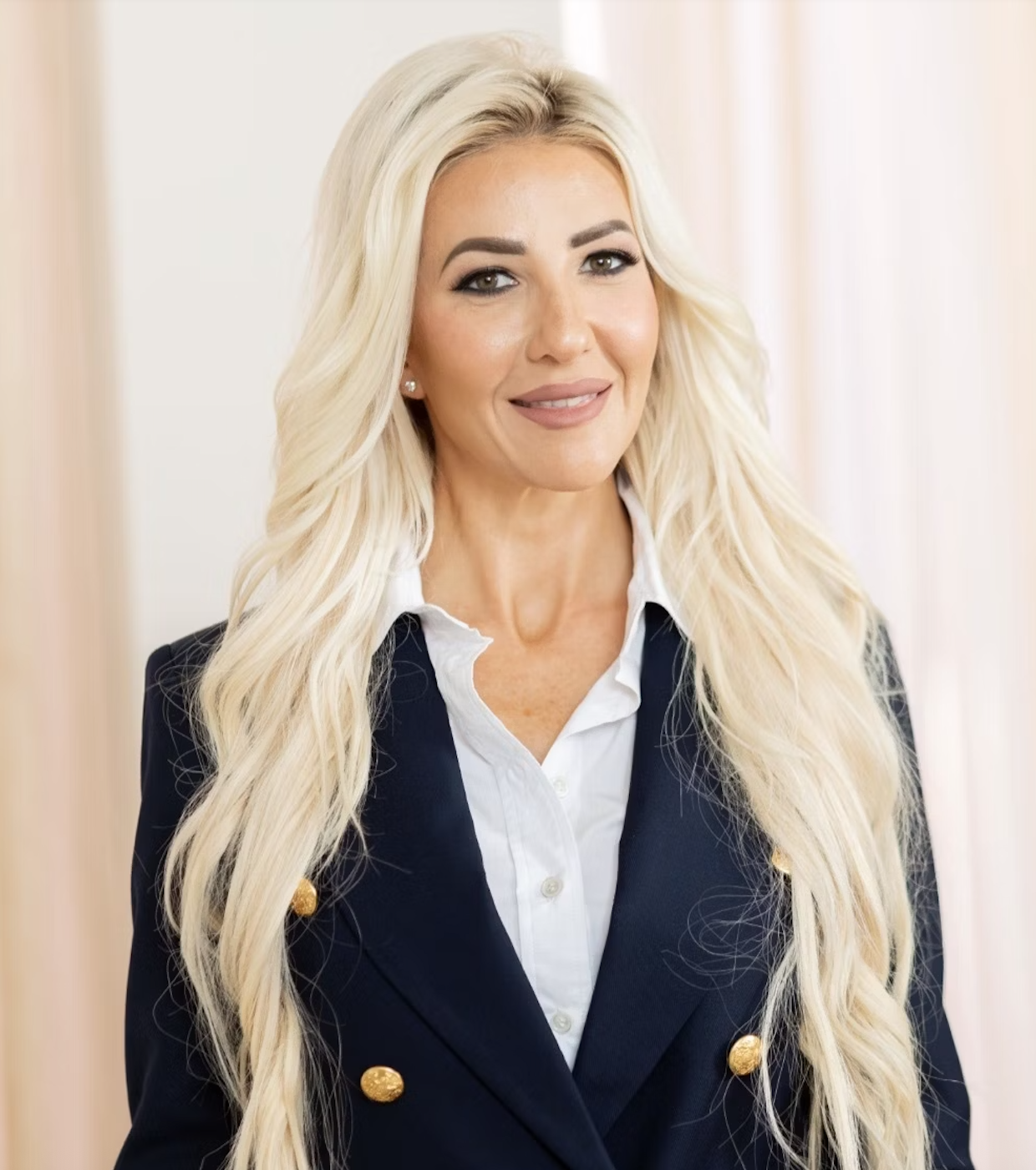
Dear Maryam,
A quiet shift is happening in aesthetic medicine. It's one that doesn’t rely on dramatic before-and-afters or overt transformation. Instead, it’s rooted in refinement and restoration—a more nuanced understanding of what it means to feel like yourself again.
For years, breast augmentation and having fuller, rounder, more projected breasts defined the conversation around cosmetic breast surgery. For many women, implants still serve an important purpose. But increasingly, I’m seeing a different type of patient in consultation; one who isn’t asking to be necessarily bigger, but to be brought back into proportion.
They come in saying things like, “I just want to look like me again.”
This shift is cultural as much as it is aesthetic. We’re moving away from overfilled faces and exaggerated curves toward something more intentional. There’s a growing appreciation for balance, for subtlety, for results that don’t immediately announce themselves—beauty that reads as effortless, even when it’s anything but.
Breasts, in particular, sit at the center of this conversation.
Between weight fluctuations (hello, GLPs!), pregnancy, breastfeeding, aging, and even fitness, the breast changes over time. Volume can be lost. Skin stretches. The nipple-areolar complex descends. But what many women don’t realize is that the issue isn’t always a lack of volume. Many times, it’s a loss of position and structure. And that distinction matters, because when the foundation is the issue, adding volume alone doesn’t solve the problem. In fact, it often exaggerates it.
That’s where the modern breast lift comes in.
At its core, a breast lift is about repositioning. It restores the breast to a more youthful, anatomical position on the chest wall, reshaping the tissue and elevating the nipple to where it naturally belongs. The goal isn’t to create something new, it’s to reestablish what was once there, often with subtle enhancements tailored to the individual.
In my practice, many women are surprised to learn that they don’t need implants to achieve the look they want. In fact, avoiding implants can often lead to a more natural result, one that aligns better with their body, their lifestyle, and their long-term goals.
There’s also a growing cohort of women who are choosing to remove their implants altogether. Some are motivated by lifestyle changes or aesthetic preferences, while others are driven by symptoms often described as breast implant illness. While the medical community continues to study and better define this condition, the patient experience is real, and it’s prompting many women to reevaluate whether implants align with how they want to feel in their bodies.
For patients who still desire a modest increase in volume, we now have more nuanced options than implants alone. Fat transfer (using a patient’s own tissue) can be combined with a lift to subtly enhance fullness while maintaining a natural look and feel. In select cases, advanced biologic fillers derived from donor tissue, such as Lipoderma or Alloclae, can also be used to refine contour and restore volume. These approaches allow for incremental, tailored enhancement, supporting shape and proportion without the need for a permanent implant.
At the same time, expectations around how surgery fits into life have evolved. Patients are more informed, more selective, and often less willing to undergo general anesthesia or prolonged downtime if there are alternatives that can achieve a refined result.
That’s where newer techniques are changing the conversation. Procedures like AirSculpt® BreastLift allow us to approach breast rejuvenation with a level of precision and finesse that feels aligned with this moment. By combining advanced tissue handling with minimally invasive fat transfer, we can enhance contour, improve upper pole fullness, and refine shape, all while the patient remains awake under local anesthesia. For the right candidate, this approach offers a compelling balance: meaningful aesthetic improvement without the experience of traditional surgery. Importantly, the process itself feels different. It’s more controlled, more personalized, and often more approachable for patients who might otherwise hesitate to pursue surgery at all.
But beyond technique, what’s most compelling about this moment is the mind-set behind it. Women are no longer asking, “How do I change my body?” They’re asking, “How do I come back into alignment with my body?” That’s a fundamentally different question, and it leads to fundamentally different decisions.
The breast lift, in many ways, represents that evolution. And the movement reflects a broader truth we’re seeing across aesthetic medicine: the most powerful results are often the ones that look like nothing was done at all.
Dr. Kandace Kichler is a double board-certified cosmetic surgeon for AirSculpt.

It’s Time to Rethink the Bond Builder: A Colorist’s Perspective on the Future of Hair Strength
By Bianca Hillier

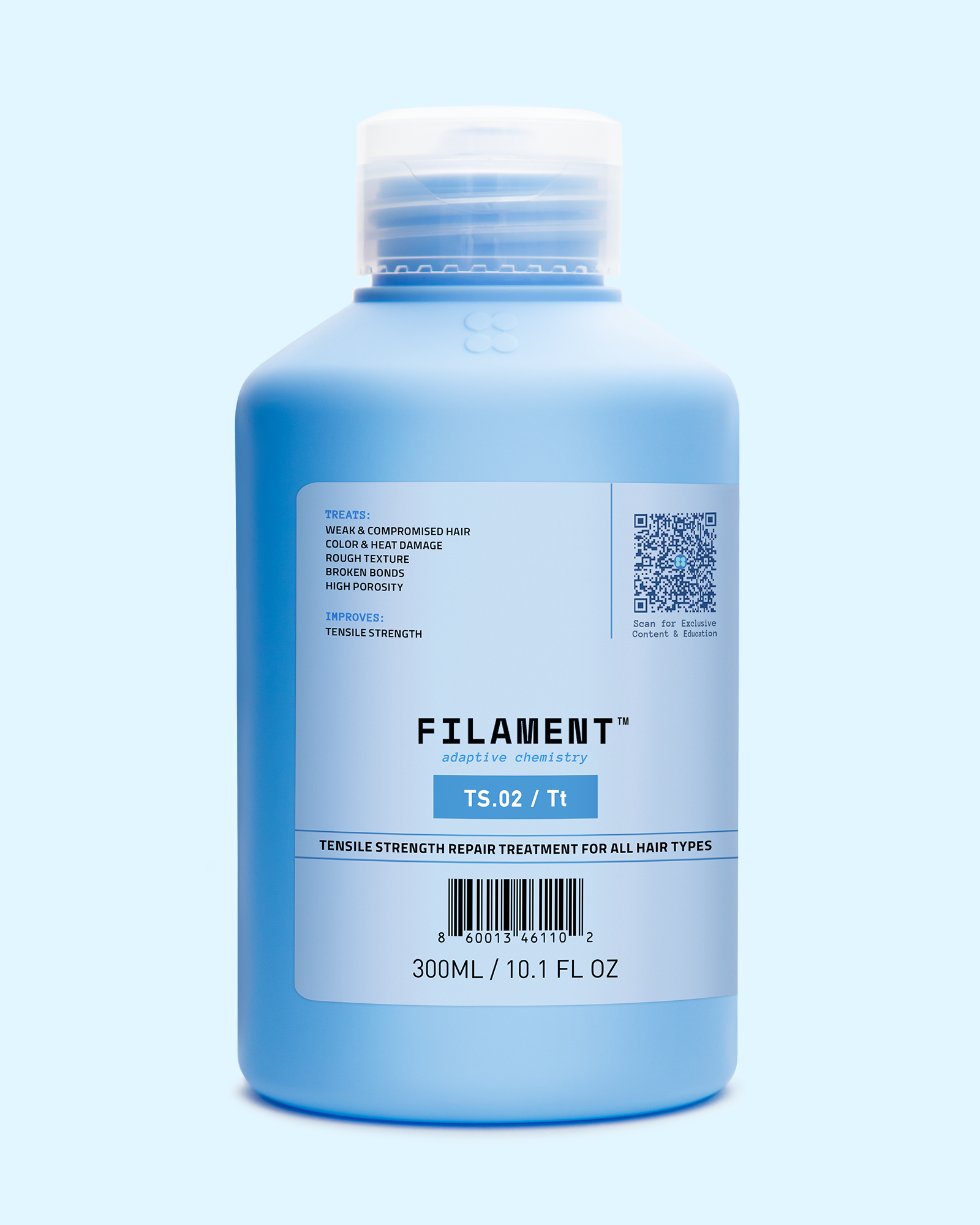
I recently discovered FILAMENT, a product advancing the evolution of hair strengthening by moving beyond the traditional conversation around bond building. This treatment is clinically proven to increase hair’s tensile strength, which is the scientific measure of how much force a strand can withstand before it stretches to the point of breakage. That distinction is fundamental, because tensile strength ultimately defines the resilience and durability of the hair fiber.
When I learned about FILAMENT, I immediately felt that familiar spark of: lightbulb moment! It served as a reminder that our industry evolves in tandem with technology — and perhaps it is time to reconsider and redefine what we believe a bond builder should truly accomplish.
FILAMENT harnesses advanced technology through its proprietary molecule, TENSILYX™, engineered to enhance tensile strength by supporting keratin synthesis from within rather than depositing additional proteins onto the surface of the hair. This difference is key: excess protein layering can impair flexibility and compromise the hair’s long-term integrity. By fortifying the fiber without creating buildup, FILAMENT offers a more balanced, progressive approach to repair.
In addition, TENSILYX™ facilitates structural rebonding by bridging broken disulfide and hydrogen bonds through two patented long-chain molecules combined with fatty acids and phytosterols, which are plant-derived compounds. In my experience, the performance here is unlike anything currently available on the market. My clients love it, and it delivers strength with refinement rather than rigidity. What more could we ask for in the hair-color world—beautiful hues and pigments on healthy hair, right?
The Dark Side of Melatonin: What You Need to Know
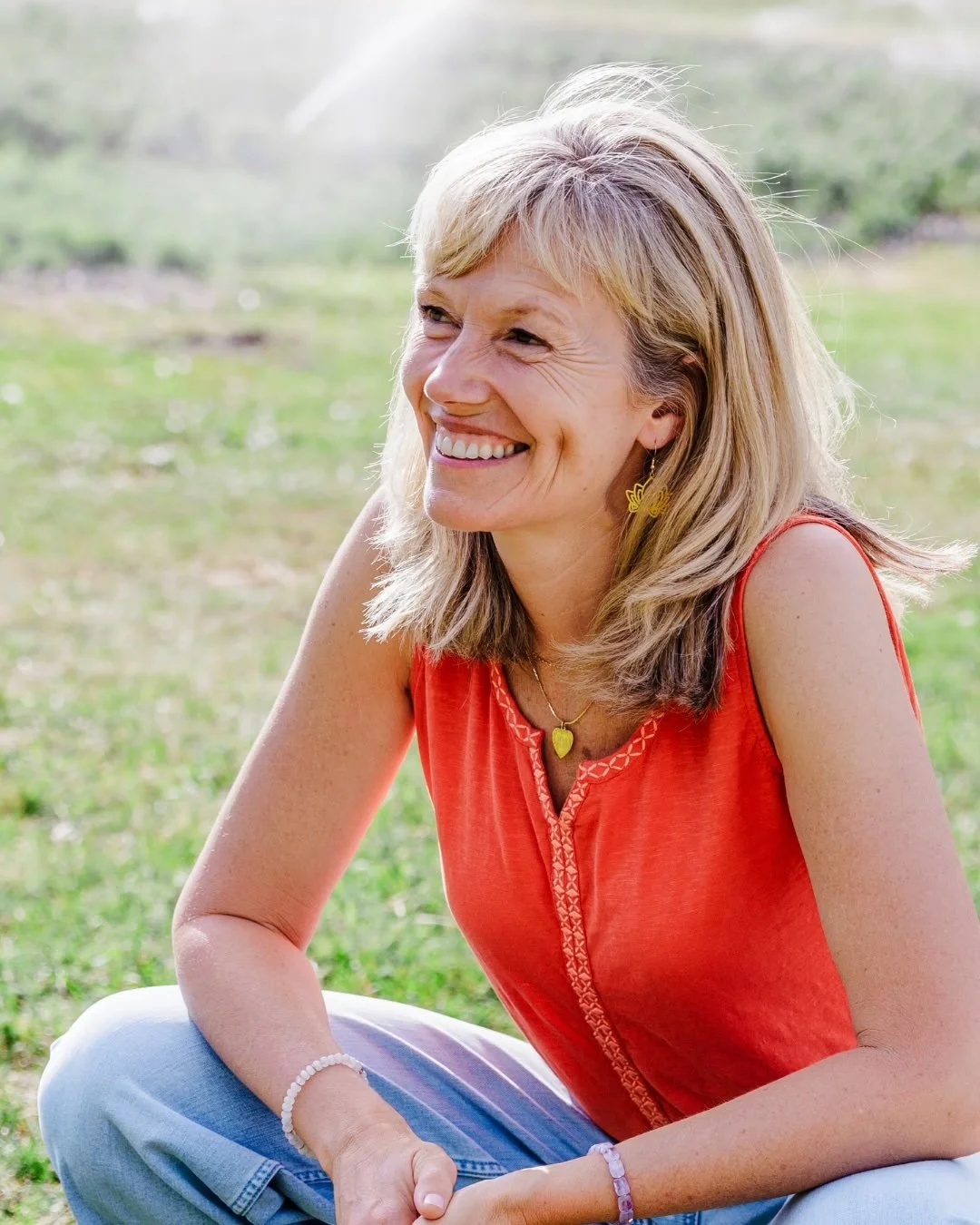
By Dr. Erin Stokes
We have a sleeping problem. Many of us are constantly sleep deprived, impacting almost every aspect of our lives, from increasing our chances of catching a cold to making it harder to maintain a healthy weight. Data consistently shows that over one-third of Americans do not get the recommended 7+ hours of sleep each night. That means that over 100 million of us are not sleeping enough. To emphasize the impact of this growing issue, the Centers for Disease Control and Prevention (CDC) has actually declared insufficient sleep a public health epidemic, putting it on par with obesity and mental health.
In light of all of this, we’ve been naturally seeking solutions to sleep better. That’s how in recent years, melatonin became the darling of all sleep supplements. It seemed to help people fall asleep quickly. Many thought of it as the ultimate “sleep hack”, like flipping a switch. And that leads us to one important thing to remember. Melatonin is a hormone. It acts as a regulator of our circadian rhythms and is naturally secreted by our pineal gland in response to darkness. When darkness falls in the evening, the hormone melatonin should naturally increase as we move towards bedtime. Taking a melatonin supplement is not the same as supporting your own endogenous melatonin production by getting off of screens and dimming lights in the evening.
Even at the height of melatonin’s popularity, there were negative side effects reported, including daytime drowsiness, dizziness and nightmares. Melatonin received major public scrutiny in late 2025 when a large observational study suggested a link between long-term melatonin use and a higher risk of heart failure.. The findings were presented at the American Heart Association’s 2025 Scientific Session and highlighted the need for more research on this supplement. The results of this study were reported in every major news outlet. Suddenly, there was a lot of uncertainty around long-term melatonin use. People started asking questions and began looking for alternatives.
Our journey to a good night’s sleep actually begins from the moment we wake up. We can be proactive about sleeping better by getting outside in the morning light, exercising, setting limits on caffeine consumption (no caffeine after noon), and eating nutrient dense foods. In the area of nutrition, one nutrient of note is magnesium, commonly found in beans, greens and nuts. This essential mineral is often associated with sleep optimization since it supports muscle relaxation and is commonly deficient in modern diets.
To fall asleep, we have to calm both our body and our mind. This is the essential component of drifting off to sleep, and a big challenge for most people. A gentle and effective transition to sleep is where botanical medicine can truly shine. As humans, we innately understand the power of plants. People all over the world have used herbs for thousands of years to support better sleep, from ancient Greece to India to China. Modern science often validates the traditional use of these herbs. One well-known example of herbal support for sleep is hops. European herbalists used hops extensively to promote sleep and soothe nervousness. Today, research on hops demonstrates that a compound in the plant called humulone increases GABA receptor function, which leads to a sense of relaxation that can gently help people fall asleep easier. Another herb, passionflower, calms overstimulated minds which helps with easing into slumber. Scullcap, a plant in the mint family, has a long history of use for restful sleep. It’s also an excellent herb to support the nervous system, specifically indicated for the feeling of “frazzled nerves” that many of us experience on a daily basis. These time-honored herbs are available individually and as blends in both teas and tinctures. It’s essential when choosing your supplements to identify a trusted brand, which isn’t always easy to do. For me, WishGarden Herbs is my go-to for tincture blends, and it’s important to find the right fit for your individual needs.
Optimal sleep is essential to thrive in every area of our lives from the actual physical repair of our bodies to boosting cognitive function and mood. Instead of relying on a melatonin supplement, we can embark on a more sustainable and effective long-term approach to sleep. Integrated lifestyle changes, nutrition and herbal supplements empower us to get the restorative sleep we all need, and deserve.
Dr. Erin Stokes, ND believes that transformation begins when we reconnect with the healing power of nature. As a Naturopathic Doctor for 20+ years, Erin has dedicated her career to translating complex health concepts into actionable insights that empower individuals in their own healing.
Since earning her Naturopathic Medicine degree in 2001, Dr. Erin has remained true to the foundational principles that drew her to this field: honoring the body's innate healing capacity, treating the whole person rather than isolated symptoms, and serving as both doctor and teacher.
Her passion for education has shaped every aspect of her career. From her early days teaching at Southwest Acupuncture College to providing personalized health consultations as a Lead Practitioner at Pharmaca Integrative Pharmacy, she discovered her gift for making complex medical knowledge engaging, inspiring and practical.
Currently serving as Medical Director at WishGarden Herbs, Dr. Erin Stokes is at the forefront of innovative herbal education and is known for her engaging personal style and deep scientific knowledge that creates an environment where learning becomes both inspiring and actionable.
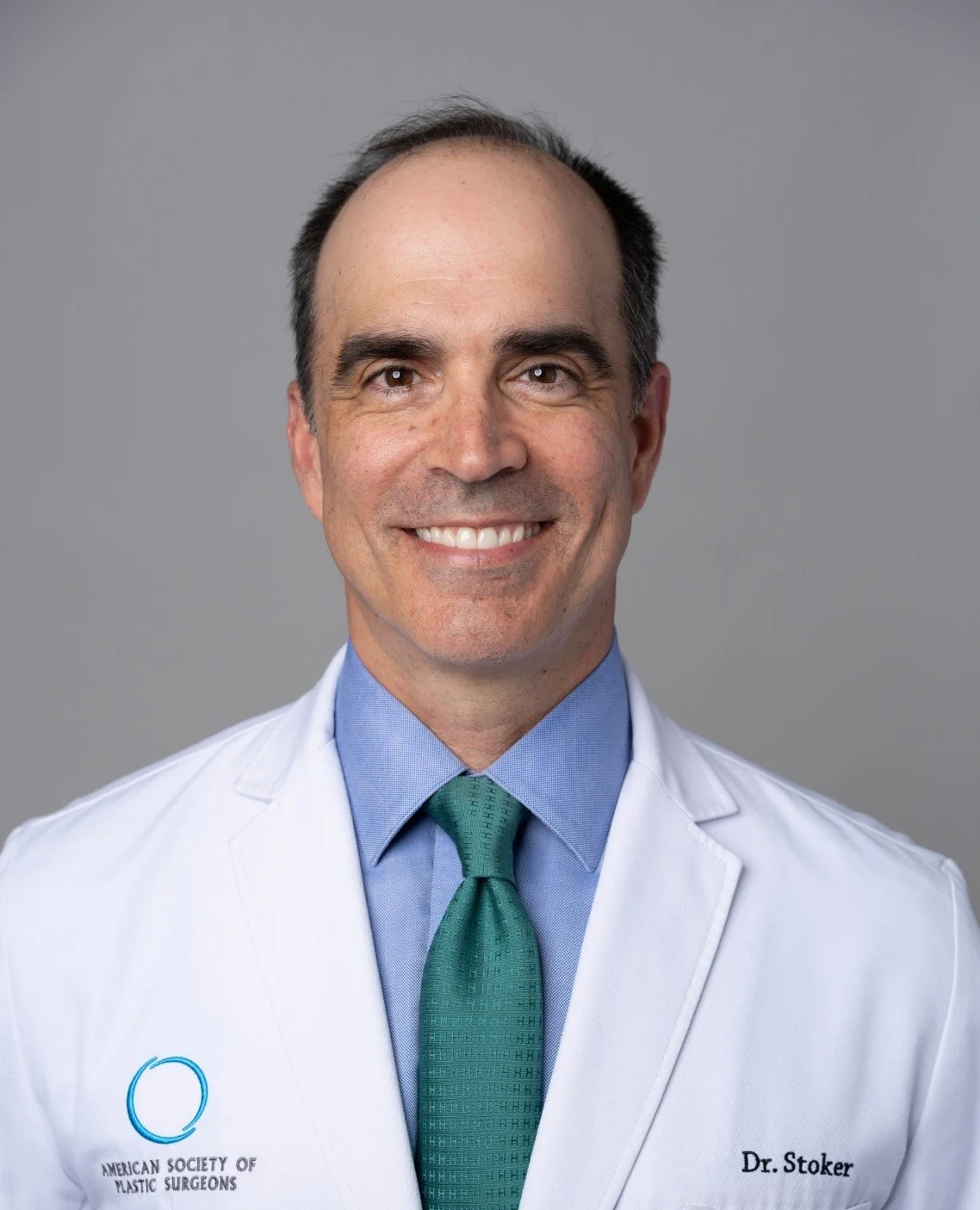
When Blepharoplasty Goes Wrong: The Subtle Details That Reveal Everything
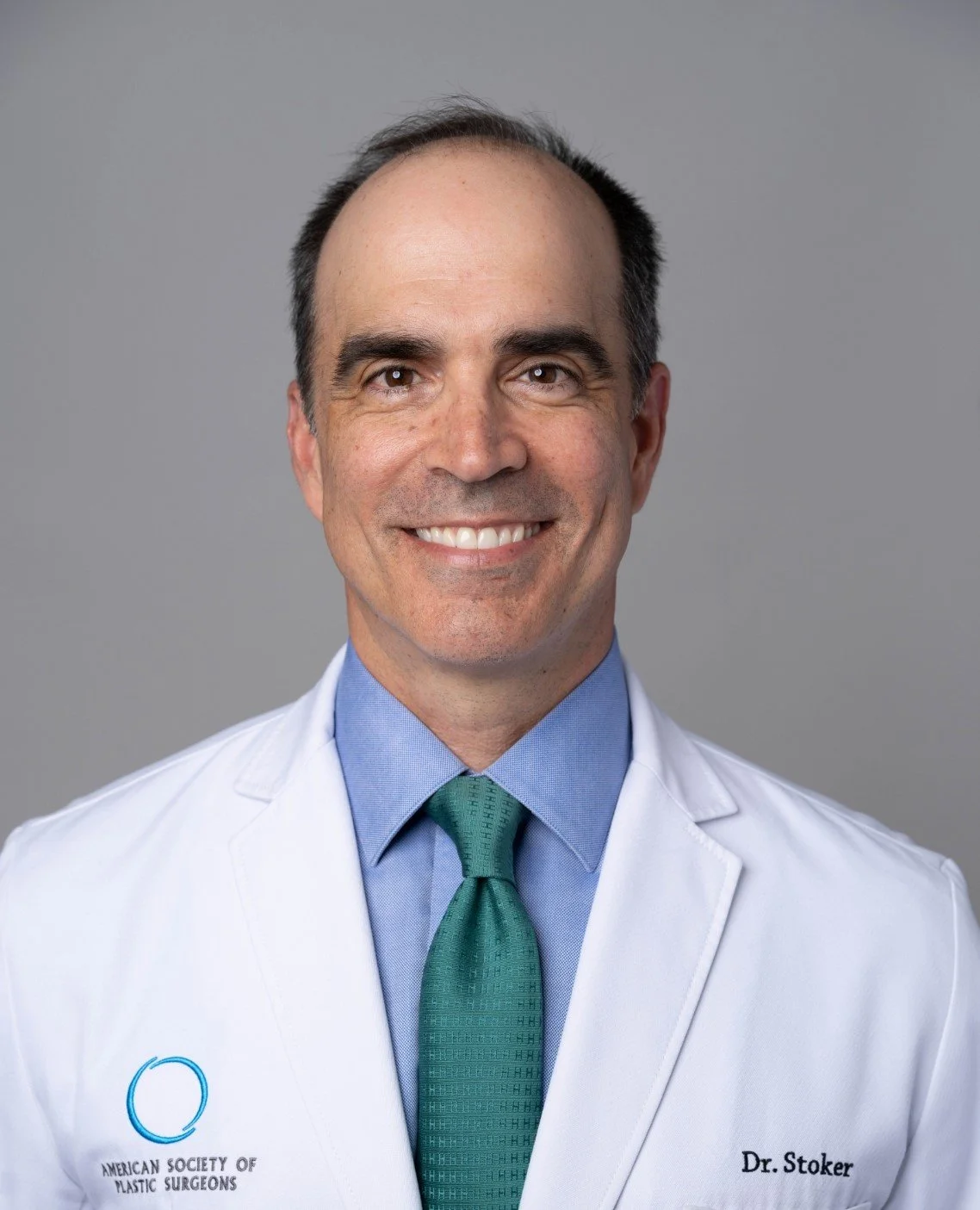
By Dr. David Stoker
The eyes are often described as the focal point of the face. When we speak to someone, it is the first place we look. For that reason, eyelid surgery, or blepharoplasty, can be one of the most transformative procedures in facial rejuvenation. When performed well, it should leave patients looking refreshed, well-rested, and naturally youthful.
But when it is done poorly, the results can be unmistakable.
One of the most common aesthetic mistakes in eyelid surgery is the over-removal of fat. For decades, surgeons approached the eyelids with an aggressive philosophy, believing that removing excess fat would create a cleaner and tighter appearance. In reality, removing too much fat often creates the opposite effect. Hollow upper or lower eyelids can make patients appear older, more tired, or unnatural. Instead of restoring youthful fullness, the surgery erases it.
Another common misstep involves altering the position of the outer corner of the eye, known as the lateral canthus. In an effort to tighten the eyelids or reshape the eye, this structure can sometimes be pulled or repositioned. Even subtle changes here can dramatically alter a person’s natural anatomy. The result may be an exaggerated almond shape or a look that feels unfamiliar. In today’s aesthetic landscape, where patients increasingly want results that are undetectable, these changes are often the first signs that surgery has been performed.
The lower eyelids present their own set of challenges. Removing too much skin or fat can change the curvature of the lower lid, creating a rounded appearance that disrupts the eye’s natural contour. This seemingly small detail can make the eyes appear artificial or “operated on,” something that modern facial rejuvenation aims to avoid entirely.
Equally important is recognizing that eyelid surgery alone cannot solve every sign of aging around the eyes. The quality of the skin plays a major role in the final result. Fine lines, texture changes, and skin laxity often require additional treatments. In many cases, fractional carbon dioxide laser resurfacing can significantly improve skin tone and tighten the delicate skin around the eyes. Without addressing the skin itself, even technically successful surgery may look incomplete.
Another mistake is approaching the eyes in isolation. While the eyes draw the most attention in a conversation, they exist within the broader architecture of the face. If the eyelids are rejuvenated but the cheeks, jawline, or neck continue to show aging, the result can feel disconnected. The face must be treated as a whole.
This is why comprehensive facial rejuvenation often involves combining procedures strategically. In my practice, eyelid surgery is frequently complemented by procedures such as the Traceless Deep Plane Face and Neck Lift, which repositions deeper facial structures rather than simply tightening skin. This approach allows for powerful rejuvenation while preserving the natural character of the face.
Ultimately, achieving beautiful results is not simply about performing surgery. It is about philosophy and precision.
For patients considering blepharoplasty, choosing the right surgeon is critical. Credentials are the first step. Patients should look for a board-certified plastic surgeon with advanced training and a focus on facial rejuvenation. But credentials alone are not enough.
Patients should carefully review a surgeon’s body of work. Hundreds of before-and-after photographs taken with professional medical photography can reveal consistency, skill, and aesthetic judgment. Social media images, while helpful, can sometimes be influenced by lighting, angles, or filters. True surgical results should stand on their own.
Reputation also matters. Reviews, patient testimonials, and word-of-mouth referrals can offer valuable insight into the patient experience and overall satisfaction.
Today’s plastic surgery patients are more informed than ever before. They research procedures, compare surgeons, study before-and-after galleries, and watch videos of surgical outcomes. In my view, this shift toward transparency is a positive one. An informed patient is often the best patient.
The ultimate goal of facial rejuvenation is not to make someone look different. It is to make them look like the best, most refreshed version of themselves. When blepharoplasty is performed thoughtfully and in harmony with the rest of the face, the result should never feel obvious.
It should simply look right.
Dr. David Stoker, MD, FACS, is a board-certified plastic surgeon based in Los Angeles. For over 25 years, he’s maintained a meticulous approach and a dedication to safety—yielding outcomes that look refined, never overdone. At his Marina del Rey practice, he has developed advanced, signature procedures like the Traceless Face Lift and the Hourglass Tummy Tuck.

Inside L.A.’s Best-Kept Fashion Secret Is the Case for Borrowed Perfection

Trying on a gown at the Albright Fashion Library.
Getting dressed for events in Los Angeles is not for the weak of heart. And this is not hyperbole—this is a matter of anthropology. This town has a way of taking whatever confidence you arrived with—whether from a small town, a big city, or an Instagram account with decent engagement—and tenderizing it. Slowly. Publicly. Usually under fluorescent lighting. Even if you grew up here, L.A. still manages to whisper, are you sure about that outfit? just as you’re reaching for your car keys.
I go to a lot of events, though not in a glamorous way—more in the way life quietly piles up with obligations: work things, cultural things, community things. Add my husband’s work functions, my own work events, and the unspoken social expectations of Los Angeles, and suddenly getting dressed feels less like fun and more like a weekly exam I’m lucky to be invited to take… though I’m still unsure of the material.
I should say this plainly, because Los Angeles loves a disclaimer. I am not a celebrity, and I don’t imagine anyone is particularly invested in what I’m wearing. But I do like to dress well for myself, partly because it brings me pleasure, and partly because the immigrant in me (yes, still, forty-five years later) carries a quiet, persistent question mark about whether I fit in. It’s subtle, but it always shows up at the threshold of a room, just before I walk in.
So, when I say I like to dress well, I don’t mean impressively. I mean appropriately. In a way that allows me to focus on the people in the room rather than on whether I’ve misread it. If dressing nicely helps calm that internal dialogue, even just a little, I don’t see the harm in that. I see it as survival with good tailoring.
So, the question becomes: how does one dress well (okay, really well) without hemorrhaging money or sanity? Especially if you have taste—real taste? (The kind that knows Zara basics are useful but not transcendent; the kind that understands the theory of “great basics with elevated accessories” but also knows, deep down, that belts are a lifestyle choice and that handbag maximalism was a past life. I believe my bag days are over. I am at peace with this.)
Enter: Albright Fashion Library in Los Angeles.
Albright is not a store in the traditional sense. It is a fashion sanctuary a luminous, carefully curated showroom that top stylists and advertising agencies rely on when perfection is non-negotiable. This is where people go when “best dressed” is not a hope but an expectation.
I found Albright through my sister, which is how all good things enter your life: casually, confidently, with no explanation necessary. From the moment you step inside, you understand that this is not about trends chasing you down the street. This is about fashion that has already decided what it is.
The showroom holds both current-season pieces and vintage treasures, coexisting the way only true style can: effortlessly, without competition. There is this year’s Chanel, divine and self-assured. There are immaculate Alaïas that make you stand up straighter just by proximity. Vintage Saint Laurent so good it feels vaguely illicit. Everything is pristine, and everything has been chosen with intention.
Here is the part that feels almost radical—they dress you, head-to-toe, in a complete look, for $1,500 plus $250 to come in for a fitting. Now, before you flinch, let’s do the math: the hours spent scrolling or driving across town to try on an outfit that is mediocre, the dressing rooms that lie to you, the panic purchases that somehow cost more and deliver less… Factor in gas prices and ridiculous parking fees, plus the “this will do” outfits that haunt photo albums forever, and you’ve got a nightmare. Versus walking into a space where professionals understand proportion, context, and the power of restraint, like Albright.






Time is money. Confidence is currency. This, in my mind, is a win-win. What Allbright offers is not just clothing, but relief. The relief of knowing you will look right. Not loud. Not overworked. Just impeccably, unmistakably right. The relief of being seen, understood, and styled accordingly. It is luxury without the exhaustion. Elegance without the ego.
I haven’t fully decided what I’m wearing yet, and that’s okay. Because every time I’m there, I love everything I see. I trust the process. I know I’ll be taken care of. And in a city that so often demands performance, Allbright Fashion Library gives you something rarer: assurance. Which, frankly, might be the best thing you can wear in Los Angeles.

A Doctor’s Argument for Fewer Skin Products—and Better Results

Dr. Fred Pescatore
The beauty industry loves complexity, but skin doesn’t. The most overlooked step in skin care isn’t topical at all—and that’s where this MD’s take comes in. It’s the case for fewer products, better results, and a single antioxidant that actually improves skin by changing it from within.
By Dr. Fred Pescatore, Natural MD
Wellness has gone mainstream, and now sits at the center of our culture, touching every industry in one way or another. Beauty and skin, perhaps most of all, is deeply linked to health and wellness, having formed the “beauty-from-the-inside-out" movement we see today. At the same time, more and more of us are in want of “skinimalism”- or simplified approaches to beauty and skincare. With more products being marketed to us than ever before, and as wellness-invested consumers become savvier than ever when it comes to what's marketed to them- scientific research and validity is of the utmost importance to ensure the products one is buying are effective, clean, and as safe as it claims.
So, where can we start? Does one really need to use so many products every day? Or is there a simpler solution? As a physician who's specialized in natural medicine and natural approaches to health and healing, I’d love to introduce more of you to what might be the unsung hero ingredient of simple, effective inside-out-skincare.
What is Pycnogenol®?
If you’ve been on the lookout for a simple, beauty hero ingredient with clinically validated muscle behind it, Pycnogenol® fits the bill. I first came to incorporate it into my wellness practice years ago, not as a fad, but as a botanical extract with vast health benefits and about 40 years of research behind it. What makes it just as relevant today? Its ongoing commitment to research and development, and ability to support skin health from the inside out in a way that aligns beautifully with the growing affinity for natural, multi-functional skincare.
Pycnogenol is a patented extract derived from the bark of the French maritime pine tree, Pinus pinaster. The ingredient has the kind of rigorous scientific research backing not often seen in the world of skincare. It is manufactured under strict control by a single source. What that means in practical terms is that you are getting an ingredient—not a packed formula of dozens of actives—one botanical extract whose mechanisms have been studied. This extract is used in more than 1,000 products worldwide- including cosmetic formulas and dietary supplements- given its vast health properties.
The Scientific Evidence Behind Pycnogenol’s Benefits for Skin Health
Pycnogenol’s benefits for skin are vast, and can be used as both topicals and supplements. When it comes to topicals- like The Ordinary Pycnogenol 5% Serum- its standout quality is its ability to help neutralize free radicals that can cause skin damage and speed up visible signs of aging. Especially beneficial during the dry, cold, harsh winter months, its unique blend of compounds helps to soothe the skin, reduce redness and further protects against environmental stressors that irritate the skin with barrier reinforcement. It also helps boost hydration levels and has been shown to supercharge the benefits of vitamin C.
Its greatest benefits, however, have been shown when taking Pycnogenol as an oral supplement- like Healthy Origins Pycnogenol 100mg- as the benefits then reach the most inner layer of the skin, to foster healthy skin from the inside out. It improves micro-circulation, blood flow, nutrient delivery, even skin tone, reduces hyperpigmentation, and more. The antioxidant powerhouse and anti‑inflammatory support make for a powerful punch across the board.
The depth of scientific and clinical research backing this legacy ingredient is quite rare in botanical skincare, with numerous human trial studies published on the various benefits. To name just a few:
Skin hydration and barrier protection from environmental stressors: One peer‑reviewed study of 76 participants found that 100 mg daily of Pycnogenol over 12 weeks improved skin elasticity and firmness by about 13% and during a dry season, improved skin barrier function by 14% versus placebo and prevented skin hydration loss.
Stimulates, boosts and protects collagen and elastin: In one study among postmenopausal women, the participants experienced a 25% boost in skin elasticity in 12 weeks. It not only stimulates the generation of new collagen and hyaluronic acid but treats already-formed wrinkles as well.
Cellulite appearance reduction: A new study shows its ability to reduce the appearance of cellulite, further proving its impact on both skin and overall health with its unique inside-out dual functionality.
Over 39 randomized double‑blind, placebo‑controlled studies of Pycnogenol covering skin health among other uses has made it one of the most thoroughly studied botanical extracts available. In short: this natural ingredient doesn’t rely on trendy buzzwords or fads; it is rooted in scientific vigor and clinical validation.
Putting Pycnogenol into Practice
If your goal is a simplified yet scientifically robust beauty protocol, consider these steps:
Look for a trusted skincare or supplement formulation that contains Pycnogenol.
Use it consistently, as the clinical benefit appears strongest after 12 weeks.
Maintain your core foundational health and wellness habits of safe sun exposure and excess sun protection, sufficient sleep, hydration, and nutrient‑rich diet.
In my clinical experience I’ve learned that the most sustainable skin health and wellness routines aren’t built around chasing the newest gimmick, they’re built around mounting the right actives in the right way, rooted in biology. Pycnogenol delivers credible, physiological support rooted in deep science. For anyone looking to enhance skin health with a single, clean, scientifically grounded ingredient, it’s worth exploring.
Warmly,
Dr. Fred Pescatore, MD

The Radical Pleasure of Doing Nothing
By Dr. Katelyn Lehman

There’s a moment, right before you settle into the float tank, when the mind wants to ask: What am I supposed to do in here?
It’s a fair question. We’re conditioned to do—to fix, to solve, to optimize. But floatation REST (restricted environmental stimulation therapy) isn’t about doing anything. It’s about remembering what happens when there’s nothing left to do.
In the quiet, without gravity’s pull or the mind’s habitual chatter, something subtle begins to shift. The body unwinds its defenses. The heart starts to lead again. The self—if we can even call it that—softens into awareness.
Gestalt therapists would say that floating invites an encounter—not with a problem to solve, but with a presence—the kind that can’t be planned or performed. It’s the meeting point between what we’ve been avoiding and what we’ve always been.
The saline water mirrors the amniotic field, the original matrix of safety and belonging. Within this environment, the nervous system finds its native rhythm again. Heart rate variability smooths into coherence. The breath and heartbeat begin to dance in harmony. And in that synchrony, something ancient in us remembers: peace isn’t a performance. It’s our baseline.
Sometimes people come out of the tank saying it felt like meditation without effort, or therapy without words. I like to think of it as coming home without a map.
Because in that dark, silent space, awareness meets itself—not as a story, but as sensation. You start to feel the pulse of your own aliveness, unmediated, unfiltered, whole.
That’s the real benefit of Floatation REST. Not just muscle recovery or stress relief—though those are lovely side effects—but the re-encounter with being itself.
In a world obsessed with constant connection, floating offers the most radical connection of all: the one that arises when you stop trying to “be someone.”
So the next time you step into the water, don’t think of it as an escape. Think of it as an arrival.
Dr. Katelyn Lehman is the founder of Quantum Clinic in Los Angeles and the creator of the Coherence Method™—an evidence-based framework integrating biofeedback, floatation REST therapy, frequency therapy, and expressive arts. With 15 years of clinical experience, her work has been featured in Vogue, NBC, Forbes, and the Los Angeles Times for its innovative approach to nervous system regulation and preventative mental health. Dr. Lehman advances a clear but radical premise: mental health is not merely the absence of illness, but the presence of coherence—within individuals, communities, and the living systems we share.
Wellness Grows Up: Why Women Are Trading Cleanses for Creatine
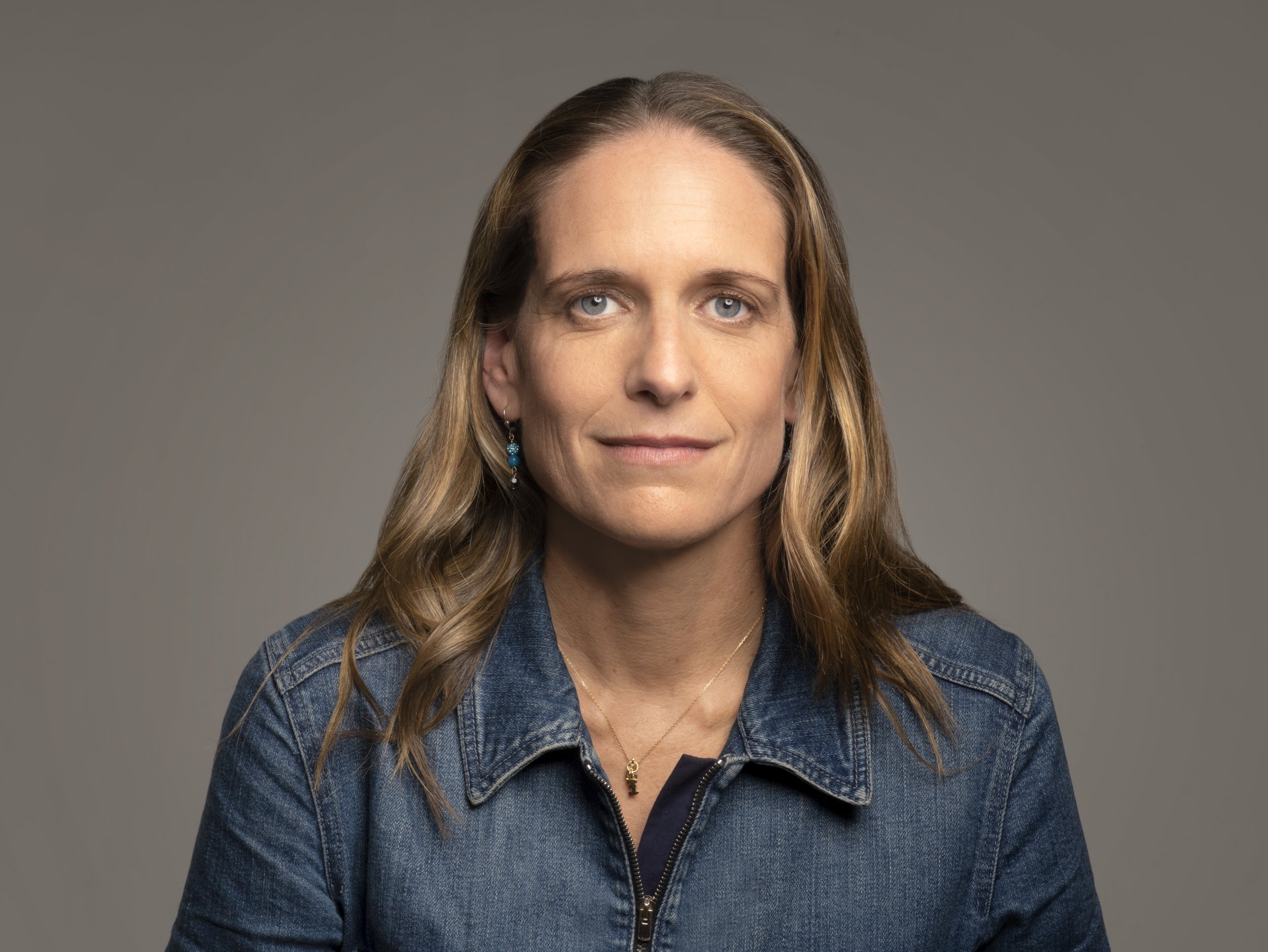
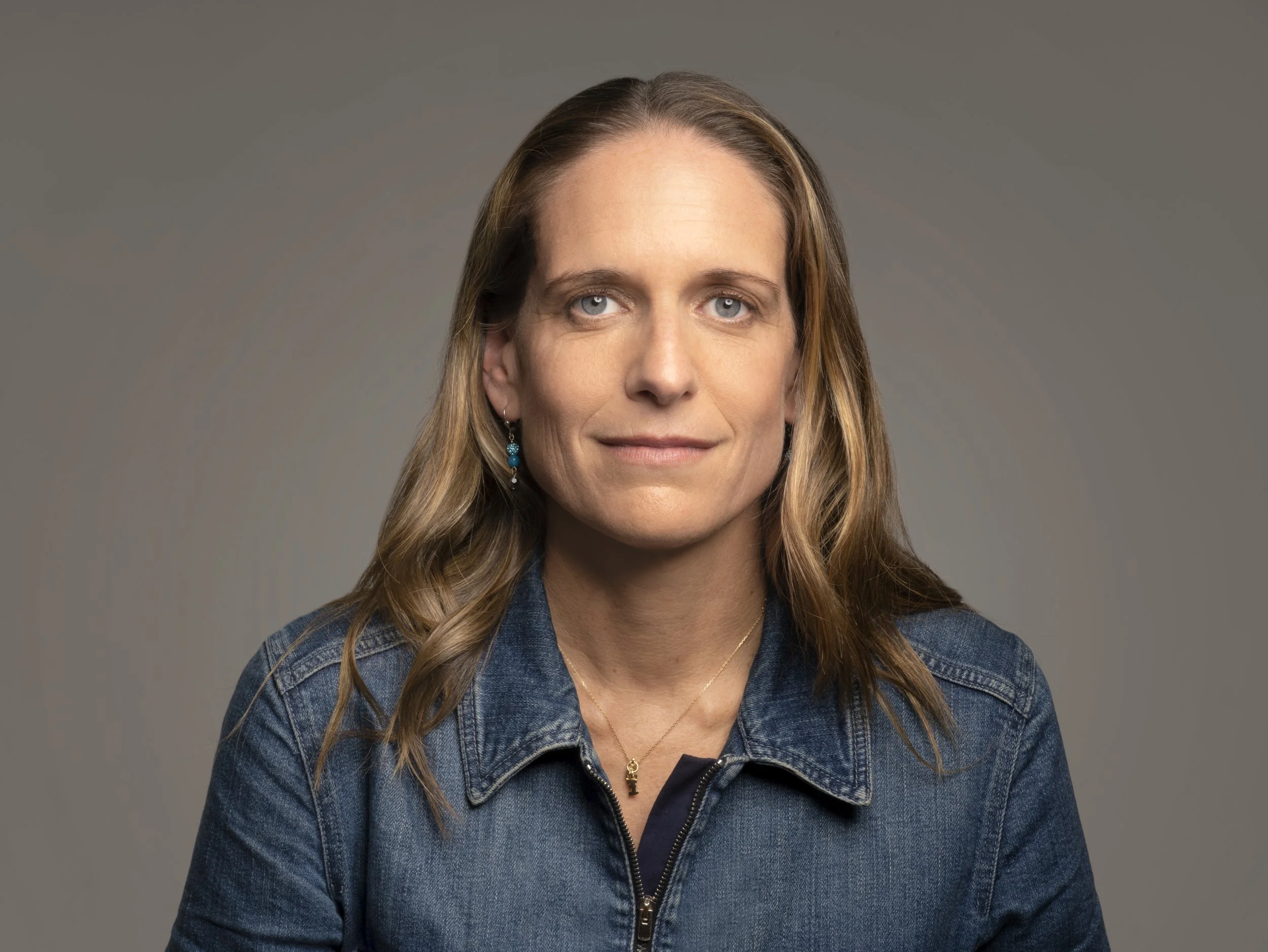
By Colleen Wachob
I’ve been at the forefront of the health and wellness world for 16 years, and I couldn’t be more thrilled about the seismic shift underway in women’s health and well-being. My name is Colleen, and I’m the co-founder of mindbodygreen.
If you’re not familiar with mindbodygreen, we’ve been curating expert insights in this space for 16 years—long before “wellness” became part of the cultural conversation. We’ve also delivered online education via mindbodygreen Institute from the world’s leading voices, empowering people to live healthier, more intentional lives. After we experienced first-hand the power of supplementation, we created our own best-in-class supplements line.
What’s truly exhilarating now is the consciousness shift in women’s health: women everywhere are stepping into their power—physically, mentally, and spiritually.
Let me break it down. In the 2010s, “detox” dominated every New Year’s resolution. Yoga was the undisputed poster child of the wellness movement (I still love it, PS). Plant-forward meals—think endless salads—defined how we ate, with spots like Pure Food and Wine in New York as the ultimate symbols. (A Netflix special now chronicles the founder’s dramatic fall, but back then, snagging a table there was peak NYC wellness cred.) That decade wasn’t without its wins, though. Self-care staples like meditation and setting boundaries finally entered the mainstream. Spirituality went from fringe to mainstream.
But nothing compares to the empowering surge of the strength movement that’s gone fully mainstream in 2025. Gyms are being reconfigured as more women take up more space on the floor, pick up heavier weights, and claim their physical power. Thanks to trailblazers like Dr. Gabrielle Lyon, we’ve learned that many of us are undernourished and need more protein to build and sustain lean muscle. Women are optimizing and taking it one step further by adding creatine to their daily routines. And just like that, creatine with taurine+ became mindbodygreen’s hero product.From the start, the customer base has been mostly women looking to increase lean muscle in less time. It’s been remarkable to watch.
How has this shift impacted my life? As a mom of two, I’m rediscovering my athlete identity in the process. I’m training for my first HYROX race with my coach, Ashley of Mothership Wellness, and it’s the hardest I’ve pushed myself in 30 years. It’s been a profoundly empowering journey, testing my limits in ways I haven’t in decades. And as wellness converges with longevity science, we’re gaining unprecedented precision to guide these transformations. My WHOOP data has the high strain and low recovery scores to prove it.
At the end of the day, I’m just excited for every tool that helps women weave more health and vitality into their lives. Wellness is deeply personal—define it on your own terms, and it becomes a gateway to deeper meaning.
I hope you'll consider giving strength a try. It's your choice, and it might just surprise you with the power it unlocks.
Colleen Wachob is the co-founder and co-CEO of mindbodygreen and a Stanford University graduate with degrees in international relations and Spanish. She spent a decade at companies including Gap, Walmart, and Amazon. She lives in Miami with her husband, mindbodygreen co-founder and co-CEO Jason Wachob, and their two daughters. Colleen is the co-author of The Joy of Well-Being.

The Art of Ageless, French Allure: Three Generations of Beauty Wisdom
By Clémence von Mueffling

As the founder of Beauty and Well-Being and the author of Ageless Beauty the French Way, I often joke that my expertise wasn’t acquired, it was inherited. I grew up in a household where beauty was not a pastime, nor a luxury, but a quiet family tradition. Some children learn to cook from their grandmothers; I learned the art of self-care.
Three generations of beauty editors (both my mother and grandmother held coveted spots at French Vogue) shaped the philosophy I now share with women around the world. Their approach was never about chasing trends or defying time. Instead, it was about cultivating confidence, honoring what nature gave you, and practicing the kind of daily rituals that make you feel like your best self, not someone else’s idea of perfect.
My Grandmother: The Origin of the Ritual
My grandmother set the tone early with her infamous Sunday dinner rule: my sister and I were expected to “rendez-vous with mascara.” Even for a simple meal at home, you showed up polished, a little luminous, and fully present. It wasn’t about impressing anyone—it was about the way a tiny gesture, one coat of mascara, could change how you carry yourself.
But her greatest lesson was this: French women don’t fight their age. They evolve with it. The objective is never to look younger, but to look wonderfully, unequivocally good for the age you are now. Perfection is irrelevant; enhancing your natural assets is everything.
My Mother: The Custodian of Skin
From my mother, I inherited my reverence for skin. She always said, “You only have one face, why treat it harshly?” And she meant it. I treat mine like a beloved silk blouse: carefully, consistently, and never with anything abrasive. I massage it daily, Kobido or Pincement Jacquet style (face massage techniques) because the truth is, facial massage is one of the most underrated tools for tone, glow, and longevity.
She also taught me discipline: beauty is a habit. And caring for your skin begins with good hygiene, which is why I swear by double cleansing. Even when I’m exhausted, I never skip it. The first cleanse removes makeup and pollution; the second truly purifies the skin so it can regenerate overnight.
My current obsession? Alexandra Soveral’s Angel Balm. It smells divine and transforms my bathroom into a private spa. After cleansing, when my skin is clean and dry, I take a few seconds to massage my face—it is the quickest, most transformative ritual in my routine.
And although people assume I sleep in layers of night cream, the truth is, I don’t always. Some nights, I let my skin breathe completely bare. Other nights, especially in winter, I indulge in added hydration and run a humidifier to support my skin barrier.
Our Family Secrets: Simple, Timeless, Essential
We all share the same ethos: rely on quality basics and rely on them consistently. I still brush my hair with La Bonne Brosse, my favorite is model N.3, and I consider it one of the most elegant tools a woman can own.
Movement is another non-negotiable. As my mother loves to remind me, “A youthful body is a flexible body.” Vitalité is her mantra now more than ever; gentle exercise, spinal flexibility, and mobility over intensity.
The Lifestyle Behind the Glow
Beauty, as I learned, does not end at the bathroom mirror. My dinner habits, for instance, lean intentionally light: I avoid heavy gluten or dairy in the evening because it’s harder to digest. Fortunately, the world has caught up with alternatives and everything from gluten-free pasta to coconut yogurt. My favorites? Nairn’s for their biscuits, and Cocojune or Cocoyo for coconut yogurts.
But I also believe deeply in balance. Which is why every weekend, without exception, I savor a pain au chocolat with breakfast. The French know that pleasure is part of the equation.
The True Inheritance
People often assume I was handed a vault of secret formulas. In reality, what I inherited was far more valuable: a philosophy, one rooted in consistency, elegance, gentleness, and joyful discipline. Beauty is not a performance, it’s a practice. And when in doubt, add a smile, et voilà.

Beauty Grows Wild: Why Nature Will Always Be Smarter Than Skincare Trends

By April Gargiulo, the founder and CEO of Vintner’s Daughter
My friend and mentor, Rosemary Gladstar, says “plants have enough spirit to transform our limited vision.” I love this line so much because it's the truth. The synthetic world pales in comparison to the sophistication, beauty, and power of the natural world. This is why we begin every Vintner’s Daughter formula with the worlds’ most nutrient-rich whole botanicals. It takes more time and is more expensive, but it is the only way to truly feed our skin and bring about the radiance, balance, and health we insist on. Just like whole foods support healthy bodies, our whole plant formulas support your most beautiful skin. Your skin is your largest organ. It is incredibly complex and sophisticated and deserves skincare that honors and respects that. Synthetic, processed ingredients will never meet your skin’s needs in the same way they can never truly meet your body's nutritional needs. There will always be new, trend-driven, fast-fashiony skincare delivering false promises. These moments are more marketing campaign than they are any level of actual product innovation. We are all smarter (the same goes for our skin! than these companies give us credit for. Look up and out. Nature is always the most elegant and powerful solution. To that end, I look for ways to connect with it as much as I can.
I am lucky to live in Northern California and am surrounded by so much natural beauty. I cold plunge with a group of friends regularly in the San Francisco Bay; I get to experience the wisdom and elegance of the ancient redwood forests; the majestic beauty of Napa Valley, and even one of my favorite flowers, queen anne's lace, grows everywhere along the highway. I don't take supplements often, but do everything I can to eat well. I incorporate movement into my day every day. Sometimes I’ll go on the treadmill, sometimes it’s Pilates or a walk with friends, but always something. I meditate every morning and have a deeply ingrained gratitude practice. I know it all sounds a bit monastic, but there are many more moments of joy, presence, and spontaneity that this level of simplicity leaves room for. That’s what is most important to me.

From La DoubleJ to the Divine Feminine: J.J. Martin on Beauty, Energy, and Aging Well

J.J. Martin
I used to focus so much on how I looked on the outside: my butt, my abs, my thighs, etc. What’s so funny is that as you get older (I’m 52 now) you realize that you just can’t control that (no matter what Kris Jenner says). The wisdom of age has taught me that the more I take time to take care of my insides, the more I regulate my emotions, my nervous system, the more I clear my energy body, the more that I connect with higher consciousness, the more I’ve noticed people commenting on how good they think I look—and I really haven’t changed a goddam thing!
All of this stuff works. The energy practices that I do are very unique and personal to me. I am braiding and threading many different wisdom practices together with my own creative inventions. I might do some movement in the morning—usually a mix of strength and weights. Then, I typically flow into a lot of free-form movement and noise, which is really helpful for just letting the energy out and releasing any pent-up emotions.
One of the quickest ways to lose your wellness, I’ve found, is through unprocessed emotions. There’s always a moment during the day—it might be five minutes, it might be 55 minutes—where I’m practicing a kind of mix between Vipassana and a multi-dimensional meditative hookup. I’m always playing with those two realms.
I was a vegetarian for many years and I’ve noticed that I just can’t do it anymore; I simply need more protein now. That has really helped keep me in better shape. I try to not eat that much of it and I try to be responsible with the kind of meat and fish that I’m eating, but just increasing my protein intake all around has made my life much better. Cold plunging and Finnish saunas have also been game-changers for me, particularly when I can do so outdoors, in nature( like under a frigid, arctic waterfall in Forte dei Marmi…or bathing in the sun on Lake Como). I still get totally addicted to wine and sugar so I’m just a better person when I’m not eating or drinking those substances but, you know, we’re all human.
I never wear makeup unless my photo is being taken for work. All those good pictures you see of me, I’m wearing makeup. Normally, I don’t look like that. It even shocks me.
If I had one scent to live with it, would be lavender oil. No additives, no alcohol, nothing but pure oil of lavender. I find it so uplifting and expansive. I also like to make my own brews. Sometimes, I have tons of essential oils at home. I really don’t like synthetic fragrances because I can’t stand alcohol on my skin.
For skincare, Irene Forte just gave me this really good Almond Cleansing Milk and a Lemon Toner Spritz that I’m totally into.
A shaman just told me to start taking maca root powder for menopause symptoms after getting this incredible womb massage and sleeping in scaler waves at a farmhouse outside of Milan, so I’ve started doing that. I was also micro-dosing lithium a few months ago, which was recommended by a doctor friend of mine, and that was really interesting. I like to go through moments of trying different micro-dosing protocols like mushrooms, or kanna. I like to go in phases with them, it’s definitely not a full-time practice.
My wind-down routine is simple. Sometimes it’s reading the New York Times or the New York Post, but honestly these days that just winds me up. I also love to cook. My Florentine boyfriend is an amazing cook and one of the most relaxing things is when we cook together. I love to either cook for him or with him. Otherwise, I like to read channeled texts. I find them really relaxing. The one I’m reading right now is “The Hathors.”
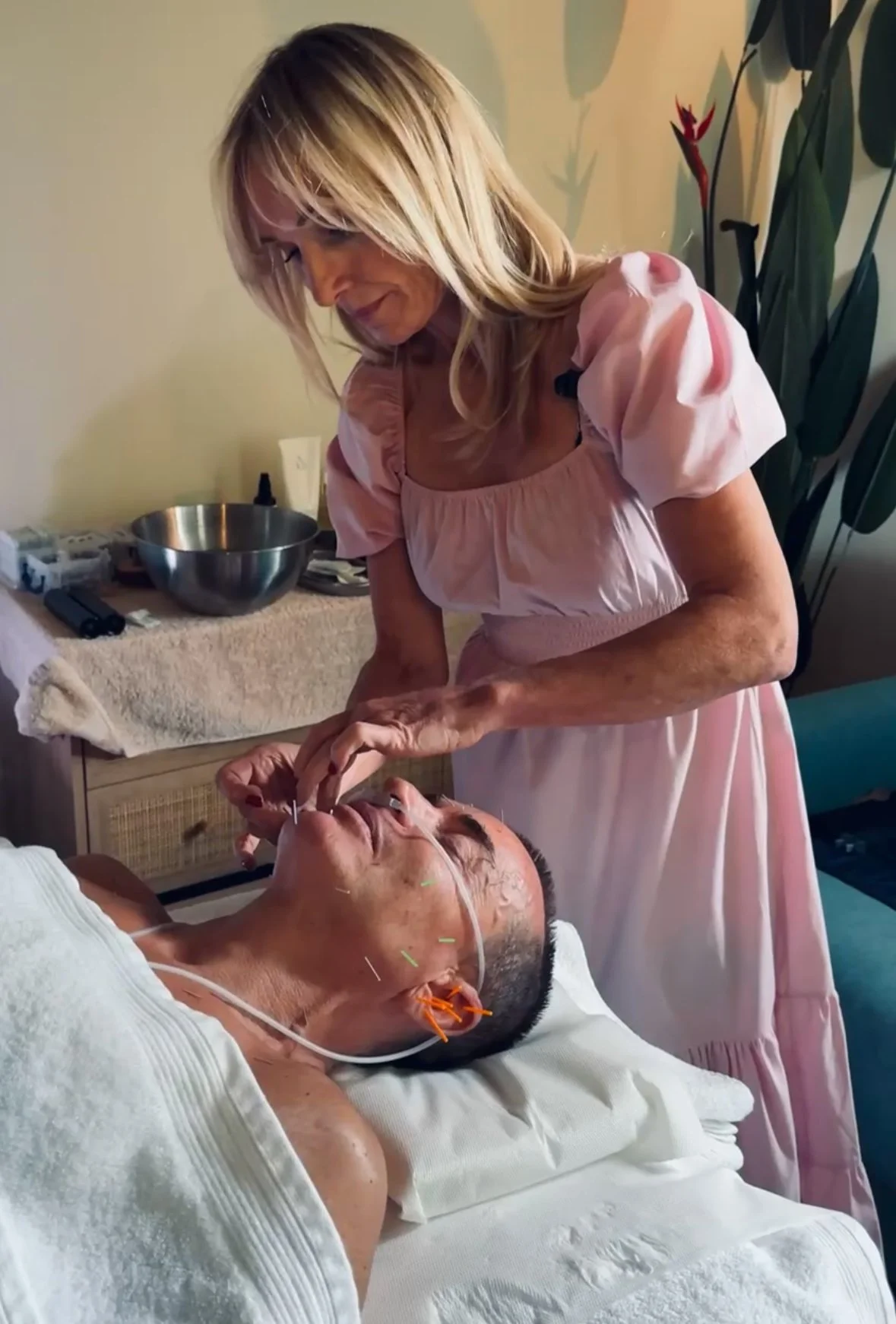
Why Facial Acupuncture Works: Beauty That Starts From Within
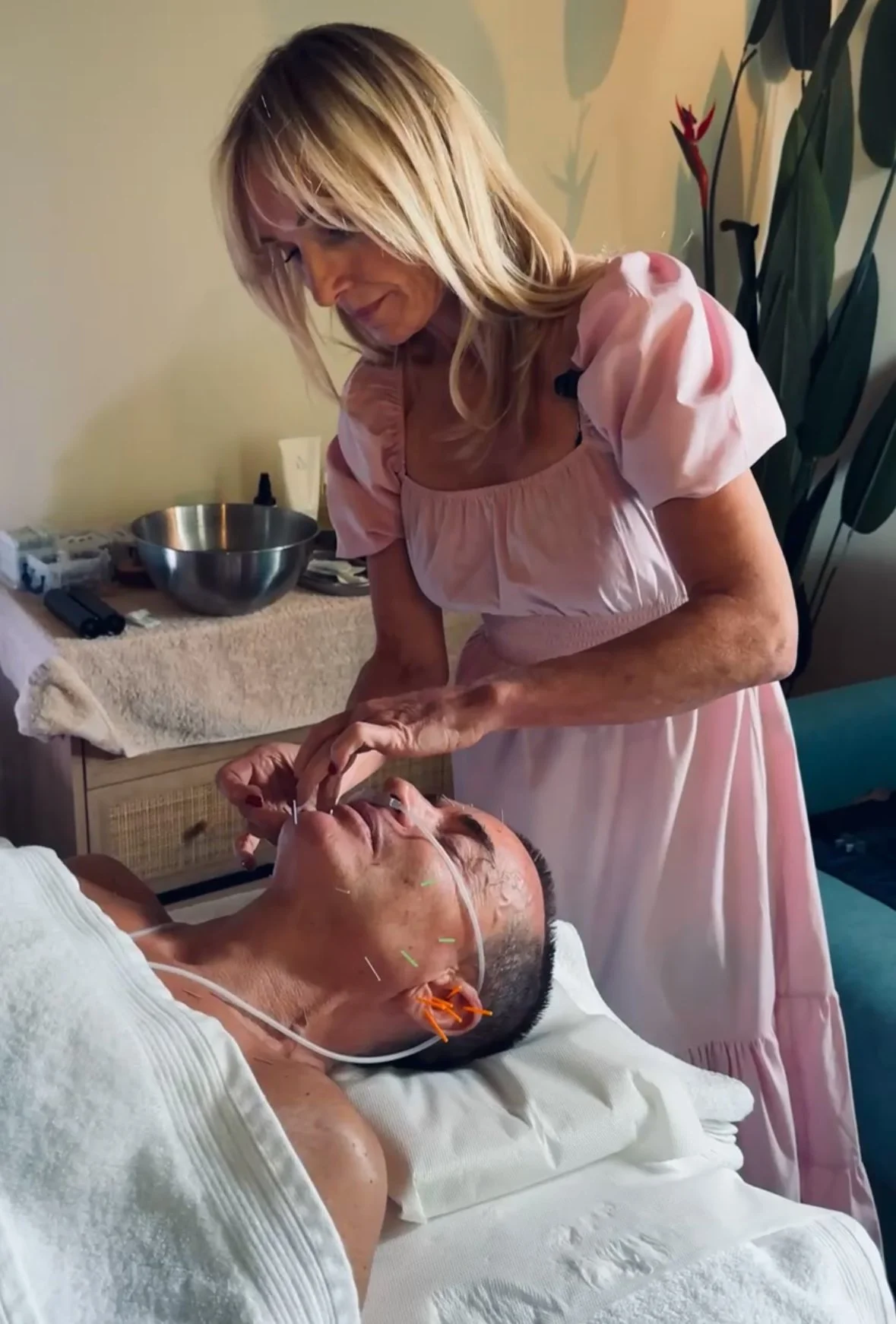
By Sarah Bradden
In my years as a wellness expert and facial acupuncture veteran, I’ve seen countless trends come and go—all promising to smooth, lift, and erase. But here’s the truth: real beauty isn’t just skin deep. Your skin is a reflection of everything happening inside. That’s why I approach facial acupuncture from both directions: inside-out and outside-in. By stimulating specific points on the face, I kickstart a cascade of repair, but the real magic happens when we address the root causes beneath the surface.
When a needle is placed in the face, it initiates a cascade of skin repair. Micro-trauma activates the wound-healing response. Fibroblasts begin producing fresh collagen and elastin. Circulation increases, bringing oxygen and nutrients to the dermis. Lymphatic flow clears stagnation, reducing puffiness and inflammation. Fascia releases tension that has held the face in rigid patterns, softening lines at their origin. Over time, the skin becomes brighter, firmer, more supple, and alive.
But the real intelligence of acupuncture lies in what happens within. Each point links to the body’s internal networks. The treatment calms the nervous system, lowers cortisol, and restores balance to hormones. It regulates digestion, improves sleep quality, and supports the immune system. The skin responds to this deeper alignment with resilience and radiance, because it is no longer battling internal imbalance.
This is why there are very few conditions it cannot support. From aging and loss of elasticity, to acne, pigmentation, rosacea, eczema and psoriasis, facial acupuncture works beyond the surface. It treats the root causes as well as the visible signs, creating results that endure.
The duality of inside-out and outside-in is what sets it apart from almost every other aesthetic intervention. Beauty does not hold if the body beneath it is inflamed, stressed or depleted. Skin health is always systemic health.
In The Bradden Method, I combine facial acupuncture with light, energy, and traditional Chinese medicine principles, but the essence is always the same. Acupuncture allows the skin to repair itself, because the whole system has been guided back to balance.
Facial acupuncture is not about changing your identity. It is about restoring vitality, refining how we age, and revealing the natural radiance that comes when skin, body, and spirit are in harmony.
True radiance is always written in both directions: from the inside out, and the outside in.

From Mushroom Skeptic to Wellness Believer: How Adaptogens Transformed My Health

By Hazel Graye, actress and model
As a child, I refused any dish if mushrooms were involved—I’d pick them out one by one or avoid the meal entirely. As an adult, my roommate insisted I try her sautéed mushrooms as a stand-alone snack. Wait…mixed in with other foods? On the side? Maybe. But by themselves? I was sure this would be a failure. “Mushrooms are SO good for you, Hazel, just trust me and TRY IT!” my friend commanded. So I did. To my surprise, it was good. Incredible, actually. How could I have avoided and despised anything even remotely mushroom-related up until this point? Mere moments later, after my obvious display of approval, she practically threw her collection of mushroom elixirs and latte mixes at me to immediately implement into my routine, which I agreed to without hesitation.
I became curious to understand exactly how mushrooms are supposedly so beneficial to my health. There are many different types, how was I supposed to keep up? What does it mean to be adaptogenic? I’m a girl who loves holistic health, so oftentimes when there is an herbal option, I feel compelled to give it a try. Adaptogenic mushrooms, such as Reishi, Lion’s Mane, and Chaga, are not only antioxidant- and nutrient-rich, but can also help alleviate stress and anxiety. Upon further investigation, I discovered the capabilities of boosting mood and energy, as well as improving cognitive function, maintaining a healthy digestive system, and even the potential to regulate blood sugar. As someone who struggles with much of that, all I could think to myself was, “SIGN ME UP!”
Mushrooms of all sorts have become a normal addition to my everyday wellness routine, and it really has made a positive impact on my life. In very simple words, I genuinely FEEL better. Not only do I feel physically healthier, but I feel emotionally and mentally healthier too.
Chaga piqued my curiosity with its roots in traditional medicines and immune system support qualities, as well as Tremella for its anti-inflammatory and healthy skin support. I fully trust in anything that Ted Gibson and Jason Backe create, so I was excited to try Ascension, a Ted Gibson Beauty Wellness Science supplement including these adaptogenic mushrooms along with others I’ve already grown to love listed above. 100% organic, 100% vegan, and non GMO—this is going to be good. Plus, blue green algae from Oregon: a mood boosting superfood? Consider me intrigued.
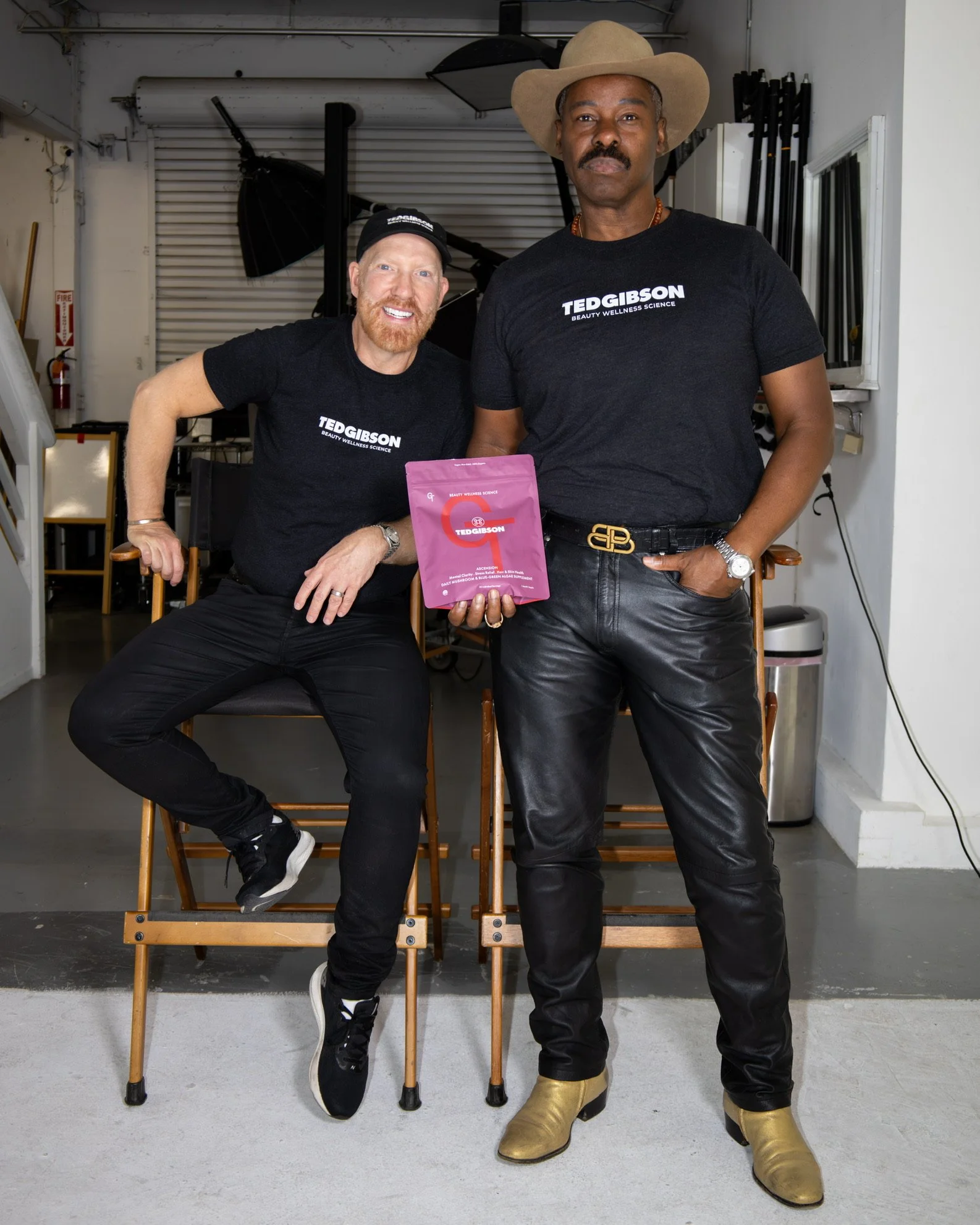
Jason Backe (left) and Ted Gibson, husbands and cofounders of Beauty Wellness Science
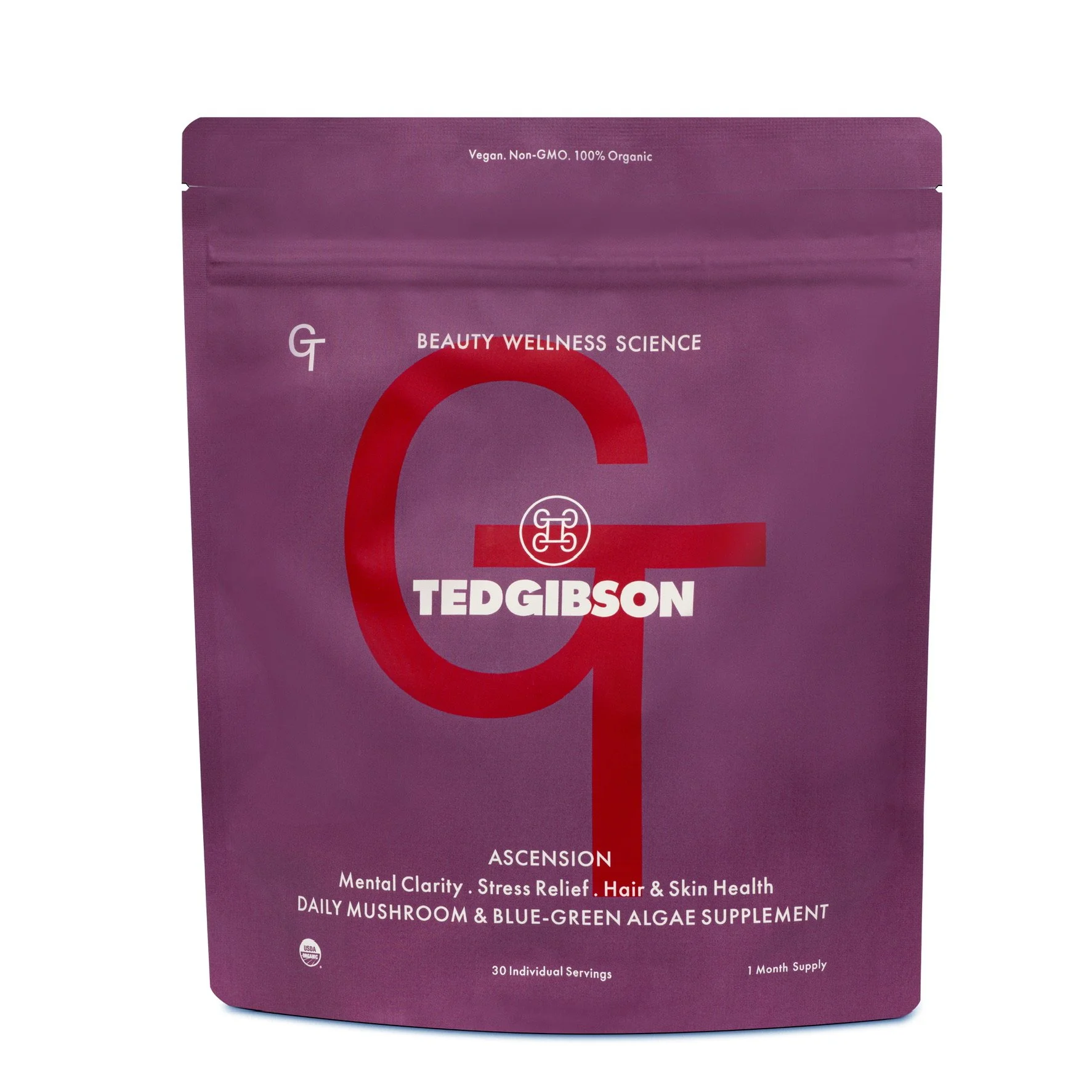
Ascension
My routine? I put it in my hot coffee in the morning. How does it taste? It adds a nice, light earthy flavor to the beverage, which I personally like a lot. It’s not overpowering either, so no chalky bits to worry about. How long have I been implementing Ascension into my routine? Three weeks. The real question is: how do I feel? Well, the stress, anxiety, depression, and general overwhelming states of emotion I experience from the season, or the weather, or life happenings, have felt considerably more approachable each morning. So far, I feel enough of an impact to keep including it in my day-to-day practices. I’m focused on taking care of my mind and body, and it never hurts to try supportive supplements. My general mood is brighter and I believe I’m on an upward trajectory with my health overall. So therefore, the last question is: would I recommend it? Yes. I absolutely would.

In Good Hands: Hair Savant Amanda George Reflects on Her 40-year Journey in Color and Craft
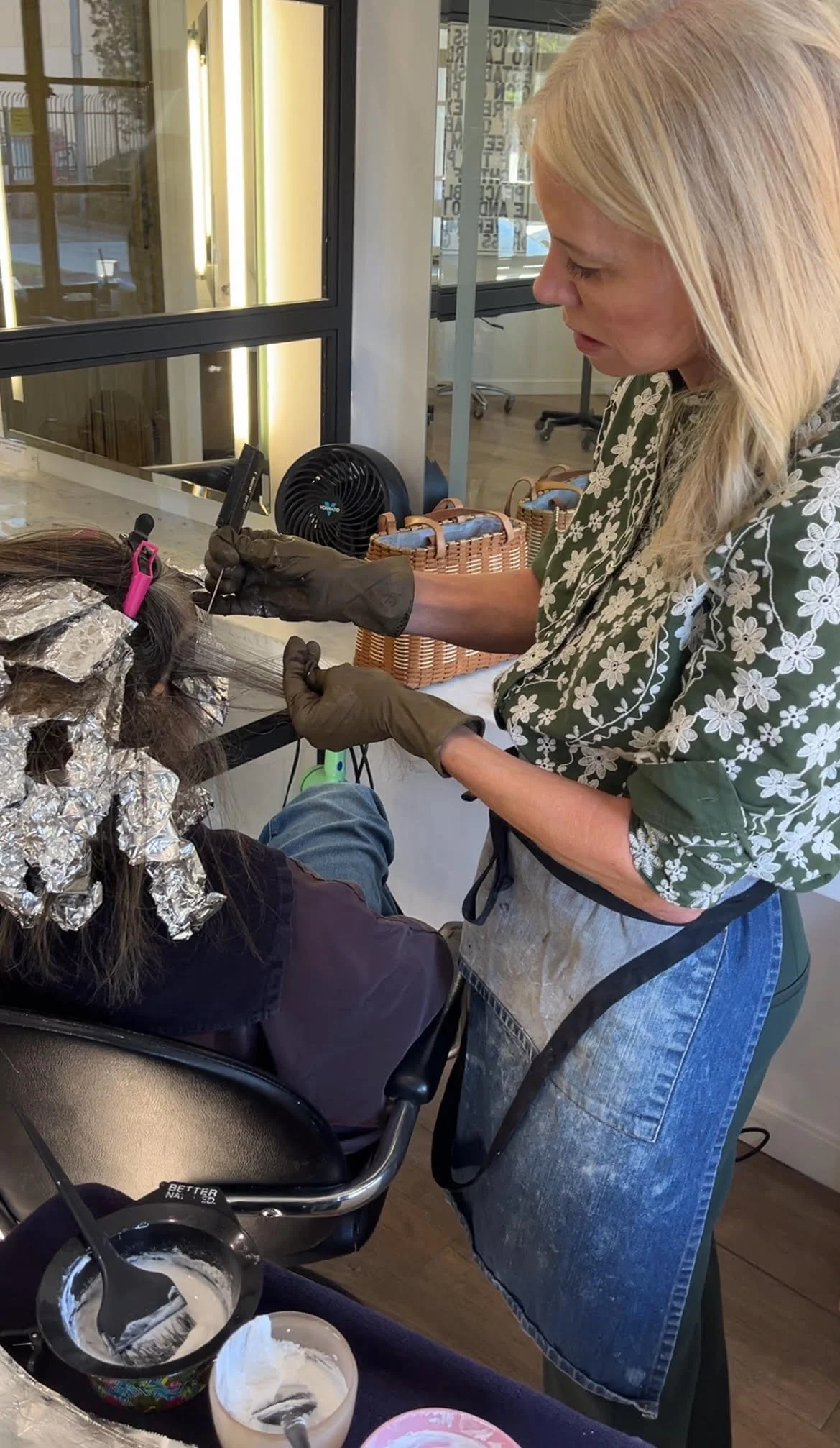
Amanda George in her Beverly Hills salon, foils and Matador gloves in hand, celebrating 20 years of her salon, ROIL.
Some practices stay with you forever. Products evolve, trends come and go, and technology constantly reshapes the craft, but a handful of tools remain essential. For me, it’s my gloves.
When I first arrived in Beverly Hills, I was still applying highlights barehanded. One day, a coworker pulled me aside and warned me I was putting my health at risk: the metals in the foils and the chemicals in the color would inevitably seep into my skin after years of exposure. Until then, I had only worn gloves for single-process color. The very next day, I changed my ways.
Of course, not all gloves are created equal. Eventually, I discovered Matador gloves from Germany: custom-size, incredibly durable, and admittedly pricey. But they last a month or two, compared to the disposable gloves most busy salons go through daily. The difference was transformative: not only did I protect my health, but I also dramatically reduced waste. When I think about the environmental footprint of all those discarded disposables, I’m stunned.
Switching to Matador was one of the simplest, most impactful decisions of my career.
If there’s one piece of advice I’d pass on, it’s this: invest in your second skin. Protect yourself, and protect the planet, one head of hair at a time if you’re in the hair business.
This philosophy of balance and longevity has guided my entire career including building my salon, ROIL, which this year proudly celebrates its tenth anniversary. When I opened the doors a decade ago, I wanted it to be more than just a place to get your hair done. ROIL was built as a sanctuary: a space where artistry meets wellness, and where clients feel cared for inside and out. Looking back now, I realize the same values that led me to swap gloves years ago are what have allowed me and ROIL to stand the test of time—protecting what matters most, while evolving with intention.
That mind-set carries into my daily life, too. My Oura Ring confirms I’m a late-morning person, so I structure my days to start after 10 AM, leaving mornings free for exercise, intention-setting, and grounding practices. I’m highly scheduled by nature, and it keeps me on track, on time, and sane. One non-negotiable? I never take business calls after 6 PM.
Evenings are about winding down. I stretch for ten minutes, then settle in with a good book or TV show, often paired with a baby pour of exceptional red wine. I also prioritize inner health for outer beauty. I’m diligent about supplements, guided by my functional medicine doctor, Dominique Fradin-Read. Right now, I’m on a regimen of peptides, plus Harklinikken’s shampoo and daily conditioner. I also drink plenty of water before bed to keep my skin hydrated.
For me, it all comes back to longevity: in hair, in health, in ROIL, and in life. Protecting what sustains you is always worth the investment.