
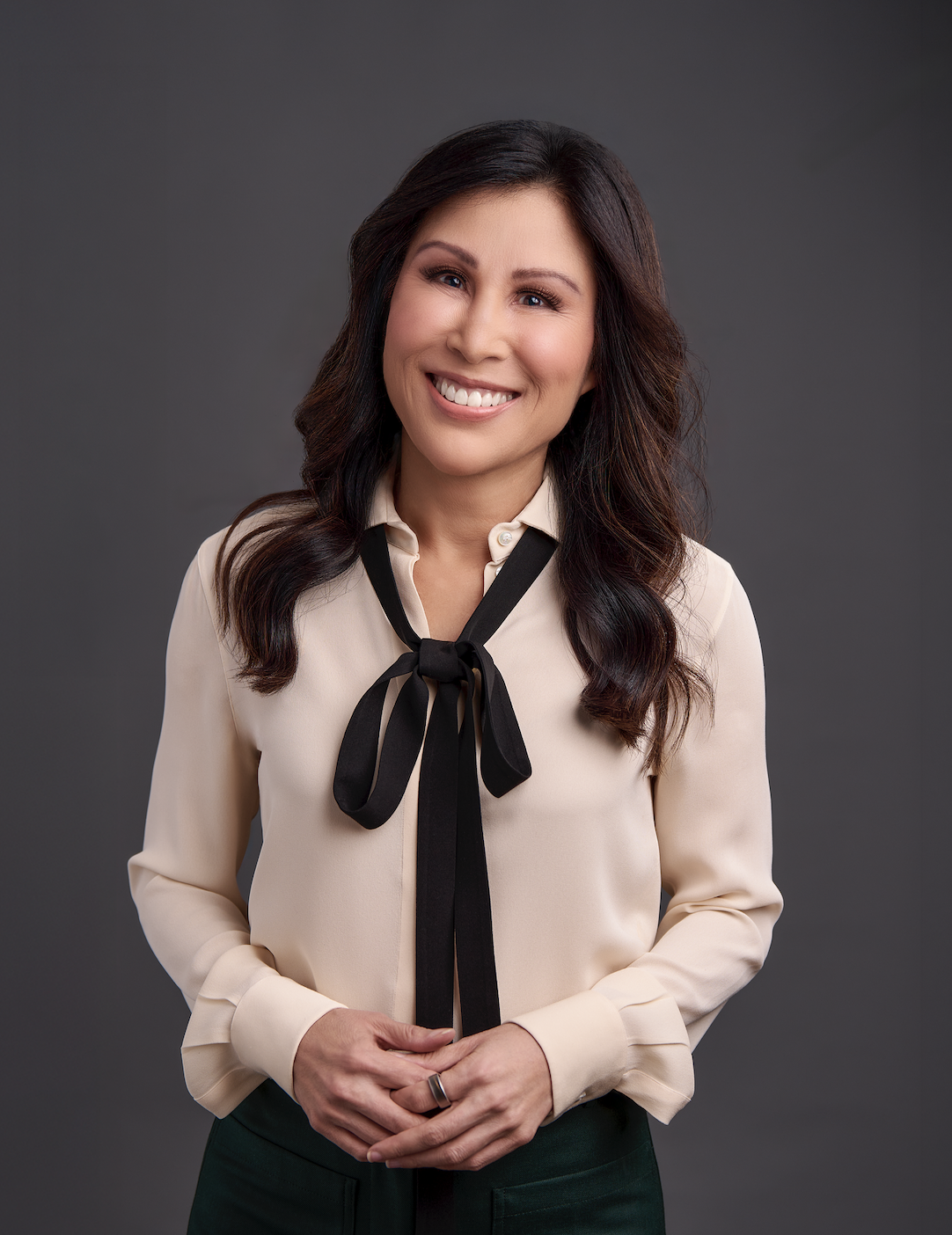
By Jessica Wu, M.D.
I’m a dermatologist, and I have to admit: I like the sun.
I like having color, too.
Every fall, women come into my office looking sheepish about the tan they picked up over the summer. They confess to a beach vacation as though I’m going to scold them.
I never do. In fact, I outrigger canoe in the summer and ski in the winter. I have some sun spots myself: souvenirs of really good times. I take sun protection seriously. But I also want to enjoy my life.
After 25 years of caring for women’s skin, here’s what interests me most: your skin can tell us something about what’s happening underneath it.
That’s part of why I’ve expanded my dermatology practice into Wume, bringing dermatology and women’s health together in Beverly Hills. The conversations that begin with dark spots sometime need to go further.
And for color? My favorite cheat is L’Oréal’s self-tanning wipes. They’re easy to use, dry quickly, and give me a less streaky result than most self-tanners I’ve tried.
But the relationship between sunlight and our bodies goes much deeper than a tan. UVB helps our skin make vitamin D, which the body converts into an active hormone that helps us absorb calcium -- essential for strong bones.
Which brings me to something I wish more women thought about when they looked in the mirror.
Your face has a foundation.
Facial bones change as we grow up, with some bones, especially the mandible (jawbone) getting thinner and providing less support for the tissues above them. Think of hanging a man’s shirt on a child’s hanger. The fabric (skin) drapes differently when the structure (bone/fat/muscle) underneath gets smaller. This understanding guides my thinking when I'm assessing a patient's face for injectables or energy-based devices.
There’s also an intriguing connection between skin and bone density. In a study of women in early menopause, Yale researchers found that lower bone density was associated with more severe facial and neck wrinkling. This finding raises interesting questions about what our skin might reveal. Estrogen helps protect bone, and bone loss accelerates around menopause. That’s one reason a conversation about your face might lead me to ask about your hormones and your bone health. We might also draw bloodwork in the office to check your vitamin D and recommend foods or supplements to boost your levels (especially if someone is at increased risk of skin cancer and needs to be diligent about UV damage).
I tell my patients they should be thinking about their bones well before 65 (which is when "guidelines" say to test bone density). Don't wait until you get a fracture or your neck sags. If you’re in your 30s or 40s, ask your doctor: “Given my history, when should we check my bone density?”
Low body weight matters, too. If you're thin, or have lost weight rapidly (such as on GLP-1), you may be at greater risk. Early menopause and long-term steroid use can also increase your risk. Meanwhile, give your bones something to work with: strength training, a vitamin D supplement if needed, and calcium, especially if you don't eat dairy. Most adult women need 1,000 milligrams of calcium per day through age 50 and 1,200 from 51 onward, counting food and supplements together. A fortified plant milk can help, but read the label. Your splash of oat milk in a morning coffee may not be doing as much as you think.
Bottom line: give the structure underneath your skin the same attention you give to your skincare products.
Why I’m still building.
At 58, I didn’t expect to be starting another business. It’s a lot of work. But I’m not finished. I want to keep skiing. I want to feel confident when I look in the mirror and feel good in my clothes. I have more things I want to do, and I suspect you do, too.
Come see me at Wume. Bring your sun spots. I’d love to hear where you got them.
About Dr. Wu
Dr. Jessica Wu is a Harvard-trained dermatologist and the founder of Wume, a physician-delivered dermatology and women’s health practice in Beverly Hills. A clinical researcher and medical educator, she is the author of Feed Your Face and has cared for patients in independent practice for more than 25 years. Follow Dr. Wu on Instagram .