
Breaking the Black Box: How the FDA’s Hormone Warning Misled Millions
By Dr. Prudence Hall
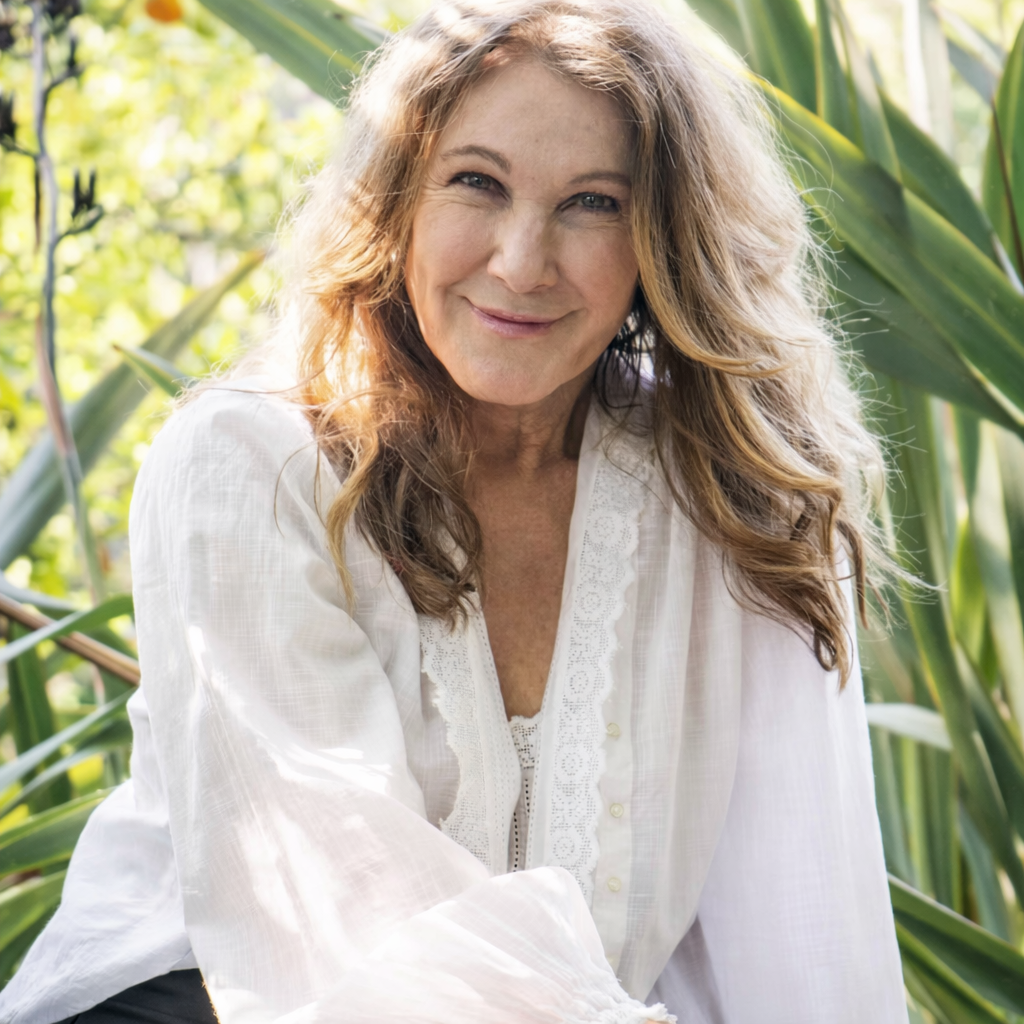
The FDA’s recent removal of black box warnings from menopausal hormones represents a watershed moment in women’s health. Black box warnings are put on certain medications to alert patients about “serious, life-threatening adverse effects,” and the ones on hormones, in place since 2003, claimed that they increase the risk of heart disease, stroke, dementia, and breast cancer.
For all these years, I have been wondering why such dire warnings are on display, when hormone prescriptions actually offer women so many health benefits. One big reason is the FDA’s unfortunate misinterpretation of the results of the 2001 Women's Health Initiative, which studied Premarin and Provera, two hormone medications. And in the ensuing years, the agency failed to keep up with new and evolving data on bioidentical hormones that became available.
This extensive data confirms that properly managed menopausal hormone therapy reduces menopause symptoms, as well as risks for heart disease, stroke, osteoporosis, and dementia—all without increasing breast cancer risk. I view hormones as a critical part of our body's software. When hormones start to decline in our mid to late 30s, inflammation, stress, sugar damage, and cholesterol all rise, and are the root causes of most chronic diseases, including heart disease, cancer, and more.
Hormones, in fact, are chemical messengers that regulate and carry out most of the body's functions. These include food metabolism, heartbeat, and connecting our brain's neurons for optimal memory, sleep, weight, muscle mass, and of course, fertility. When hormones decline, our body's software becomes corrupted and cells don't function properly. However, when our hormones remain at optimal, more youthful levels, we enjoy greater vitality and health.
Over my four decades as a gynecologist working with menopausal women, I constantly see prevention and reversal of diseases. Among some 40,000 menopausal women who have been under my care, only one stroke and four heart attacks have occurred, with NO deaths from these illnesses. While this is anecdotal evidence, it nevertheless substantiates the extensive data supporting the benefits of wisely prescribed hormones. I often say that how a woman chooses to manage her menopause will determine the quality of her next 40-50 years, creating an upward radiance of her being, and an increase in her lifespan and overall health satisfaction.
Despite all the evidence to the contrary, the 22 years of black box warnings have scared women and kept them away from life-enhancing hormonal therapies. Women sometimes come to me in their 60s and 70s for treatment of menopause, after having tried many therapies such as antidepressants, appetite suppressants, memory-enhancing medications, acid blockers, and sleep medications—all without success or relief. They tell me they have come to me as a last resort, and that even if hormones limit their lives, they just can't go on feeling so bad. When I share the data on the benefits of bioidentical hormones, they are hugely relieved, but also express sadness at missing out for so long due to lack of real information.
With the warnings on hormones removed, widespread support for HRT is rapidly becoming accepted, and millions of women are finally getting the care they need. Even in women in their 70s and beyond, I routinely see enormous benefits from HRT in terms of symptom control and disease reversal. With the help of their doctors, women can reduce their medications and feel younger and healthier than ever. I am always astonished by the transformation women experience when their hormones are optimized: newfound energy and brand-new lives.
Ideally, hormone therapy care should be customized for each woman and should start when hormone levels begin to decline. Unfortunately, younger women in their late 30s and early 40s are often ignored by their doctors and told that they are too young to be in menopause. While they may not be fully menopausal, this is when perimenopause starts. Their symptoms are similar to those of menopause and can be just as intense. Depression, anxiety, anger, impatience, weight gain, brain fog, sleeplessness, bad PMS, and a lack of sex drive can be especially challenging while also parenting children, establishing careers, or committing to relationships. Just like a dentist wouldn't say, "It's only a small cavity. Let's wait until it gets bigger to fix it," we need to correct all hormone deficiencies as they arise, because small deficiencies lead to much larger health problems.
Seeing firsthand the benefits of hormones over all these years, the prayer I release daily—and especially at the start of this beautiful new year—is for each one of us to become the highest expression of ourselves; courageous in these scary times, expressing and receiving our greatest love, and bold in our service to others. This is how we channel the truest radiance of our being. We no longer need to wait to maximize the one life we have each been generously given.
Dr. Prudence Hall helps women reclaim their energy, balance, and joy through perimenopause, menopause, and beyond, using regenerative and integrated medicine. After years as a traditional gynecological surgeon, she founded her own practice and authored Radiant Again & Forever, which empowers women to understand their bodies and address symptoms at the root.