

WELCOME TO THETHE EDITOR’S EDIT
Where real, proven beauty wisdom meets a sensible approach to self care. Think of this as your insider’s guide to the beauty industry—and the latest products that are actually worth purchasing. At The Editor's Edit, I hope to foster an open, elevated dialogue with a contributing beauty editor at W magazine. This isn't about the fleeting allure of some sexy packaging. We're unearthing beauty gems that will transform you from the inside out, and will resonate among those with discerning tastes.
I aim to cover the beauty world with (at times brutal, but necessary) honesty and thoughtfulness, sharing only the most effective, science-backed finds amid a dizzying, saturated market filled with products and brands. The Editor's Edit is a celebration of beauty as an art form, curated for consumers who appreciate quality products—from the award-winning classics to cutting-edge newcomers.
Beyond the realm of potions and lotions, I weave into The Editor's Edit snippets from my own life in L.A.: a tapestry of fashion, travels, and moments as a mom, wife and writer, all shared from the heart of the city. Consider this a glimpse into a world where everyday luxuries are savored, and beauty is an expression of our most creative selves.
With Love and Gratitude,

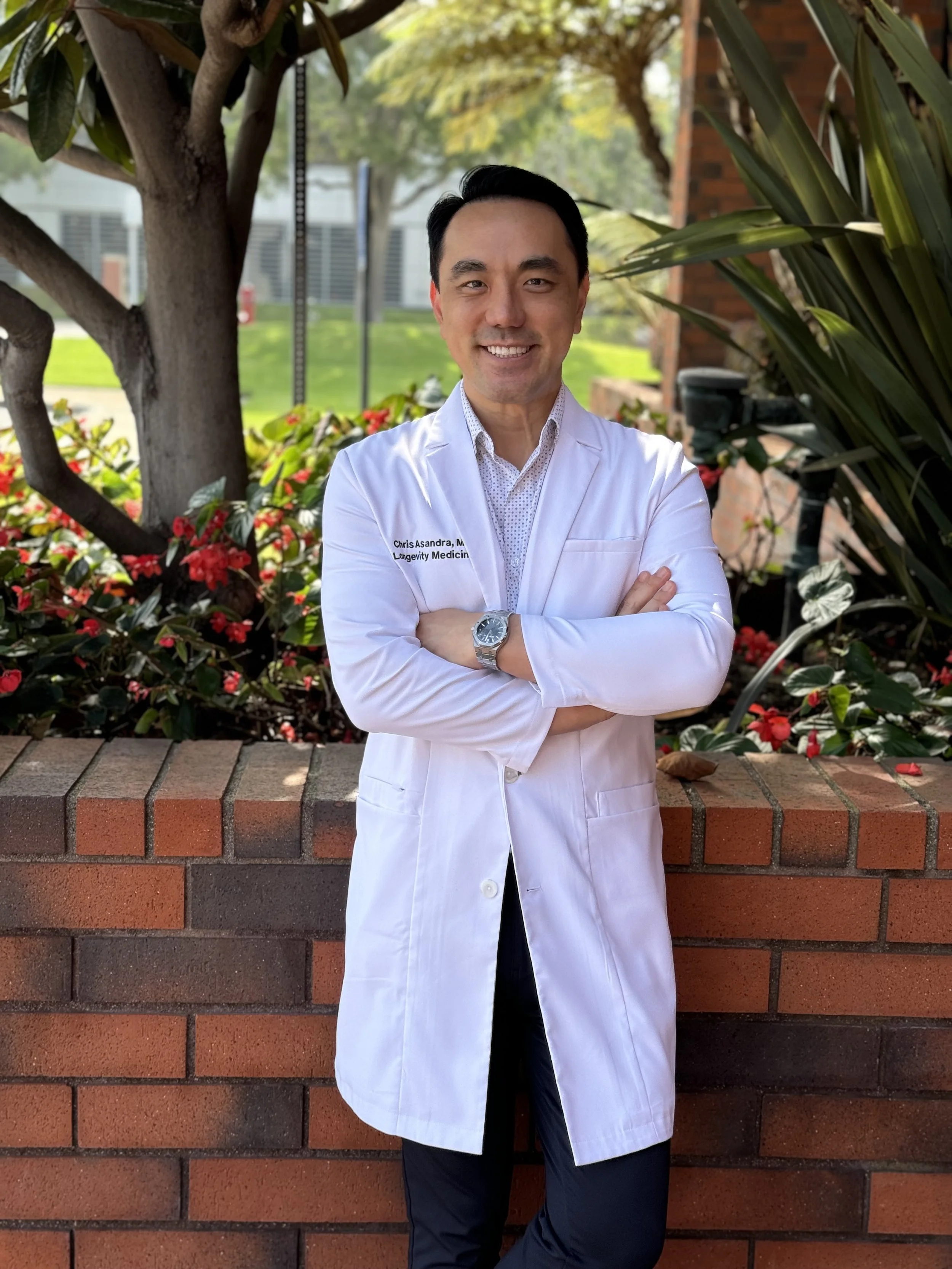
GHK-Cu Is the Copper Peptide Reminding Your Skin How to Heal
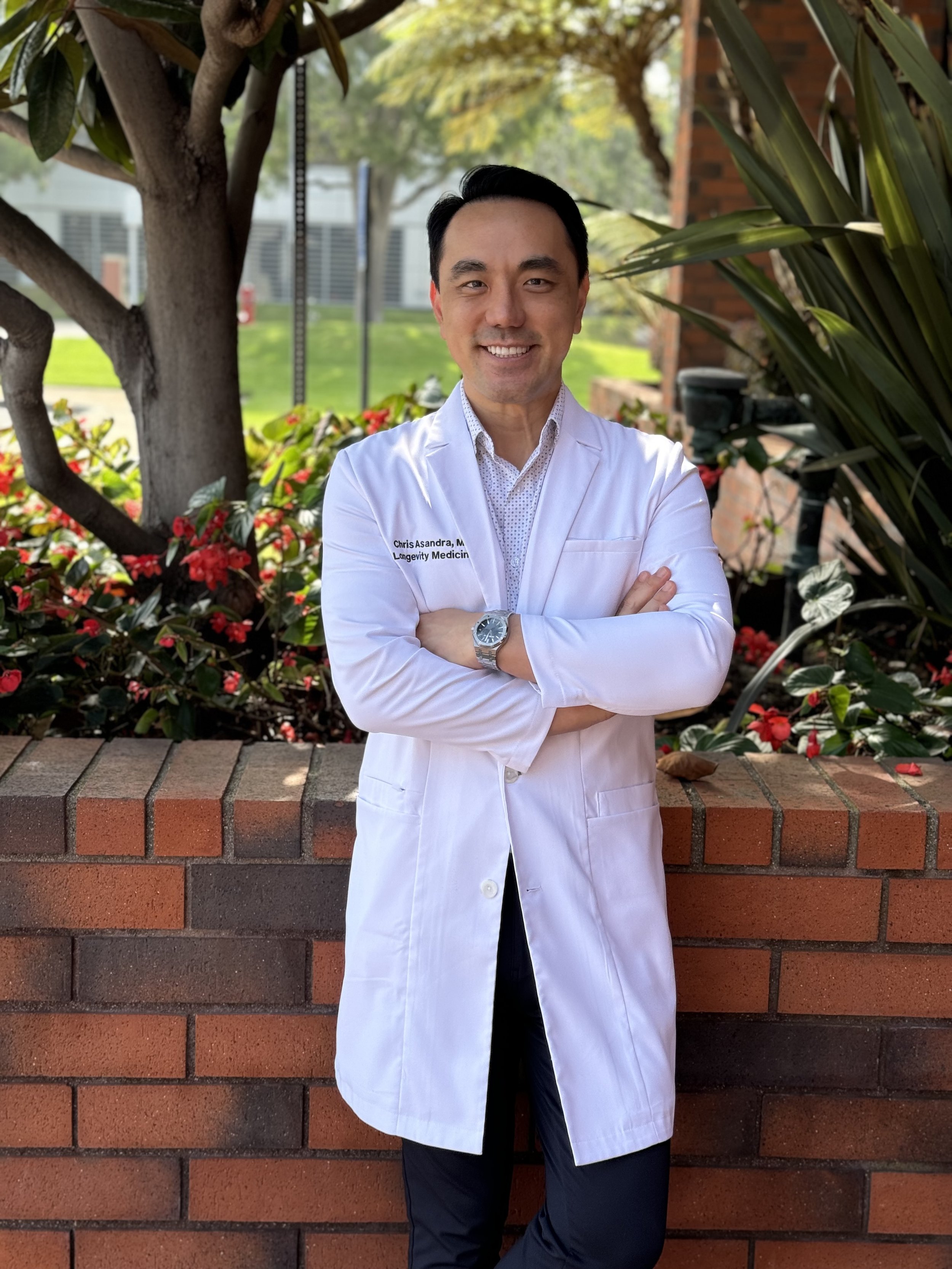
By Christopher Asandra, MD
In a landscape crowded with lab-made actives, copper peptides stand apart for a surprising reason: the body already knows exactly what to do with them. Few molecules earn attention not because they’re new, but because they’re native.
Copper peptides, most notably GHK-Cu, is one of those rare compounds that makes doctors stop and say, “Wait.. the body already makes this?” Naturally found in human blood and tissues, GHK-Cu acts as a repair signal, telling cells to heal, rebuild, and calm inflammation. Clinically, it’s often used after procedures or surgery because it can speed wound healing, support healthy tissue remodeling, and reduce prolonged inflammation during recovery. Research also shows it stimulates collagen and elastin, improves skin firmness, supports hair growth, and helps protect cells from oxidative stress.
Rather than forcing change, GHK-Cu reminds the body how to repair itself the way it did when we were younger, which is why it’s gaining attention not just in skincare, but also in regenerative and longevity medicine.
Asandra is a Beverly Hills–based anti-aging physician and vitality expert who has helped countless men and women worldwide improve their health and quality of life through cutting-edge therapies.

Breaking the Black Box: How the FDA’s Hormone Warning Misled Millions
By Dr. Prudence Hall

The FDA’s recent removal of black box warnings from menopausal hormones represents a watershed moment in women’s health. Black box warnings are put on certain medications to alert patients about “serious, life-threatening adverse effects,” and the ones on hormones, in place since 2003, claimed that they increase the risk of heart disease, stroke, dementia, and breast cancer.
For all these years, I have been wondering why such dire warnings are on display, when hormone prescriptions actually offer women so many health benefits. One big reason is the FDA’s unfortunate misinterpretation of the results of the 2001 Women's Health Initiative, which studied Premarin and Provera, two hormone medications. And in the ensuing years, the agency failed to keep up with new and evolving data on bioidentical hormones that became available.
This extensive data confirms that properly managed menopausal hormone therapy reduces menopause symptoms, as well as risks for heart disease, stroke, osteoporosis, and dementia—all without increasing breast cancer risk. I view hormones as a critical part of our body's software. When hormones start to decline in our mid to late 30s, inflammation, stress, sugar damage, and cholesterol all rise, and are the root causes of most chronic diseases, including heart disease, cancer, and more.
Hormones, in fact, are chemical messengers that regulate and carry out most of the body's functions. These include food metabolism, heartbeat, and connecting our brain's neurons for optimal memory, sleep, weight, muscle mass, and of course, fertility. When hormones decline, our body's software becomes corrupted and cells don't function properly. However, when our hormones remain at optimal, more youthful levels, we enjoy greater vitality and health.
Over my four decades as a gynecologist working with menopausal women, I constantly see prevention and reversal of diseases. Among some 40,000 menopausal women who have been under my care, only one stroke and four heart attacks have occurred, with NO deaths from these illnesses. While this is anecdotal evidence, it nevertheless substantiates the extensive data supporting the benefits of wisely prescribed hormones. I often say that how a woman chooses to manage her menopause will determine the quality of her next 40-50 years, creating an upward radiance of her being, and an increase in her lifespan and overall health satisfaction.
Despite all the evidence to the contrary, the 22 years of black box warnings have scared women and kept them away from life-enhancing hormonal therapies. Women sometimes come to me in their 60s and 70s for treatment of menopause, after having tried many therapies such as antidepressants, appetite suppressants, memory-enhancing medications, acid blockers, and sleep medications—all without success or relief. They tell me they have come to me as a last resort, and that even if hormones limit their lives, they just can't go on feeling so bad. When I share the data on the benefits of bioidentical hormones, they are hugely relieved, but also express sadness at missing out for so long due to lack of real information.
With the warnings on hormones removed, widespread support for HRT is rapidly becoming accepted, and millions of women are finally getting the care they need. Even in women in their 70s and beyond, I routinely see enormous benefits from HRT in terms of symptom control and disease reversal. With the help of their doctors, women can reduce their medications and feel younger and healthier than ever. I am always astonished by the transformation women experience when their hormones are optimized: newfound energy and brand-new lives.
Ideally, hormone therapy care should be customized for each woman and should start when hormone levels begin to decline. Unfortunately, younger women in their late 30s and early 40s are often ignored by their doctors and told that they are too young to be in menopause. While they may not be fully menopausal, this is when perimenopause starts. Their symptoms are similar to those of menopause and can be just as intense. Depression, anxiety, anger, impatience, weight gain, brain fog, sleeplessness, bad PMS, and a lack of sex drive can be especially challenging while also parenting children, establishing careers, or committing to relationships. Just like a dentist wouldn't say, "It's only a small cavity. Let's wait until it gets bigger to fix it," we need to correct all hormone deficiencies as they arise, because small deficiencies lead to much larger health problems.
Seeing firsthand the benefits of hormones over all these years, the prayer I release daily—and especially at the start of this beautiful new year—is for each one of us to become the highest expression of ourselves; courageous in these scary times, expressing and receiving our greatest love, and bold in our service to others. This is how we channel the truest radiance of our being. We no longer need to wait to maximize the one life we have each been generously given.
Dr. Prudence Hall helps women reclaim their energy, balance, and joy through perimenopause, menopause, and beyond, using regenerative and integrated medicine. After years as a traditional gynecological surgeon, she founded her own practice and authored Radiant Again & Forever, which empowers women to understand their bodies and address symptoms at the root.

Brain Health Needs More Than Just a Supplement — It Needs a Personalized Plan

By Ryan Arnold, MD, CLAVA Health
Cognitive decline is unfortunately becoming increasingly common — whether due to longer lifespans, environmental toxins, chronic stress, or genetic predispositions, the exact causes are still revealing themselves. What’s clear is that the fear of losing your edge—your memory, focus, and mental sharpness—is a quiet but persistent concern, especially for high-performing individuals. But here’s the truth: the time to act isn’t when you’re already struggling. It’s now, while your mind is still clear and strong.
“It’s easier to cross a stream than a river.”
That simple idea captures today’s emerging understanding of brain health. Cognitive decline doesn’t happen all at once; it’s a slow build, influenced by genetics, inflammation, nutritional status, hormones, and environmental exposures, often long before symptoms appear. The sooner you act, the more power you have to preserve clarity, performance, and vitality. Forget one-size-fits-all advice, because brain health isn’t driven by a single issue or disease. It’s shaped by a complex web of interrelated risks that look different for everyone. We now know that each person has a unique “fingerprint of risk,” and generic recommendations often fall short because they fail to address your specific needs.
That’s why the most important step you can take to stop guessing and take control of your future is a comprehensive assessment to define that fingerprint. This starts with a deep dive into your individual health story—something that functional medicine physicians specialize in. Rather than chasing isolated symptoms, they look for underlying imbalances that may quietly drive cognitive decline.
This same personalized approach, focused on identifying and addressing underlying causes, has been used successfully to slow and even reverse the course of cognitive decline. While it’s always easier to intervene before symptoms are present, this deep-dive assessment and tailored plan has been shown to help slow and, in some cases, reverse symptoms that have already manifested.
This evaluation typically includes genetic testing, blood and urine biomarker analysis, and an in-depth health and exposure history. From there, your specific risk is mapped across six well-documented drivers of decline: inflammation, nutrient deficiencies, hormonal imbalance, cardiovascular health, microbiome imbalance (both oral and gut), and environmental toxicity. By understanding which of these systems are out of sync, you can finally begin applying interventions that are effective and personalized, because they’re based on you.
Once that fingerprint is defined, ongoing support becomes just as essential. Health is not static, and your care plan shouldn’t be, either. That’s where a personal health dashboard comes in—something like the TruNeura Health Dashboard. Instead of isolated data points and disjointed reports, a dashboard brings together lab results, wearable device data, and progress metrics into a single, evolving picture. It’s your “clarity engine,” offering real-time feedback on how your body responds to your specific interventions. You’re no longer relying on snapshots of your health, you’re watching a living, breathing movie of your well-being.
While your long-term plan should be tailored, there are three strategies that benefit every brain and become even more powerful when precision-guided.
First, get a handle on your glucose. Uncontrolled blood sugar is directly toxic to brain tissue. Using continuous glucose monitors (CGMs), along with expert interpretation, helps you see how your body responds to food, stress, and sleep—empowering you to reduce inflammation and protect your blood-brain barrier.
Second, fortify your brain at the cellular level with Omega-3s. These beneficial fats are the building blocks of your brain and heart. Testing with tools like OmegaQuant shows whether your levels are actually in the protective range. Optimizing your Omega-3 index has been shown to reduce the risk of Alzheimer’s by up to 49%.
Third, do hard (and hot) things. Regular sauna use is one of the most underused yet powerful tools for brain resilience. Studies have linked it to lower rates of dementia, better circulation, and improved detoxification, all of which help keep your brain sharp and adaptive.
Ultimately, brain health is not a coin toss. It’s a choice. You don’t have to wait for symptoms or hope for the best. With the right tools, the right data, and the right approach, you can take action upstream before decline begins, while the current is still easy to cross.

How Your Breathing Habits Can Wreak Havoc on Your Longevity—and Your Jawline
By Hedieh Samadi, a board-certified general dentist with an expertise in cosmetic and integrative dentistry.

I’m not a dermatologist or an aesthetician—I’m a dentist. But what I’ve learned from years of studying dental sleep medicine and TMJ dysfunctions might surprise you: the way you breathe at night can shape not only your health, but also your appearance. If your airway is blocked or your jaw is misaligned, you could be aging faster than you realize—sabotaging your complexion, energy, and even your longevity—all while you sleep.
Yes, it’s true your nighttime breathing habits can either ruin or rebuild your health. Your sleep habits and your jaw placement are more important than any serum, supplement or workout when it comes to regenerating cells and rejuvenating your body. And with all due respect, your $600 jar of La Mer may not be living its best life due to how you are sleeping. Why? Because sleep is not just for rest; it’s where your health, beauty, and vitality are made or unmade. And if there are misalignments and blocked airways inhibiting proper oxygen consumption by your body, you are endangering not just your aesthetics but your longevity.
This is far more complex than just “breathing,” might I add.
As an integrative dentist and a lifelong student of health and longevity, my profession has taught me to realize that nighttime breathing is the most overlooked wellness treatment in America today. It’s the quiet, invisible elixir that sustains beauty, sharpens the mind, and fuels the energy needed to navigate our fast-paced days. Unfortunately, many people are not breathing correctly (breathing through the mouth) and or have untreated cases of sleep apnea that is ruining their health, longevity and complexion’s vitality.
While you sleep, your body’s cells are detoxifying, rebuilding, and rejuvenating, all in the absence of conscious thought. But this intricate process hinges on one simple yet critical element: uninterrupted oxygen flow.
When we breathe through the nose, our airways remain open, unobstructed, and oxygen-rich. This doesn’t just prevent snoring, it ensures that your body gets the blood flow it needs to optimize organ function, balance hormones, enhance immunity, and even encourage skin renewal. If you’re privy to the latest advancements in the wellness world then you’re well aware that modern dentistry is revolutionizing this space by evaluating the airway, its size, shape, and the way our jaw and tongue rest. With new techniques and research, we’re identifying and correcting hidden breathing disruptions before they damage our health. Root-cause dentistry is the quiet game-changer, improving lives and wellness one breath at a time.
How your jaw aligns when you sleep, your sleep posture and the shape of your upper airway can either nurture or obstruct your oxygen flow. This goes far beyond the snoring factor. Even subtle airway resistance can fragment your sleep, igniting inflammation and triggering a cascade of issues, from anxiety to cardiovascular disease.
For women, this issue is especially important. Oxygen-rich sleep supports our hormonal stability, enhances fertility, and promotes healthy pregnancies. After menopause, it helps preserve bone density, protect the heart, and keep the mind sharp. And for young girls, proper nighttime breathing sets the foundation for emotional balance, cognitive development, and overall confidence.
With countless research and experience, my peers and I have also concluded that mouth breathing it’s not just a breathing problem, it is an aesthetic face problem. Mouth breathing isn’t just disruptive to your sleep it’s also reshaping your face. You read that right. Long-term mouth breathing can alter the natural contour of your jawline, leading to a weaker, less defined facial structure. This shift happens subtly, but over time, it can rob you of the strong, youthful profile that comes from proper nasal breathing. Aesthetics aside, these changes can also affect your ability to chew, speak, and even breathe properly during the day.
When your airway is clear, the body enters its most restorative state. The brain detoxes, hormones rebalance, and every organ, including your skin receives the nourishment it craves. The results? A luminous, “lit-from-within” glow no highlighter could replicate, sharper mental clarity, and an energy level that feels limitless.
I know this transformation personally. When I optimized my own airway during sleep, my memory improved, my skin looked fresher, and my focus sharpened. The same happens for my patients. They come to me exhausted and irritable, only to return weeks later with brighter eyes, steadier moods, and an undeniable lightness in their step.
So what to do? Get tested with the appropriate integrative dentists in the field specializing in jaw structure and sleep. One of the most effective and discreet solutions is oral appliance therapy, which gently repositions the lower jaw to keep the airway open all night long. This is comfortable and life-changing, this therapy can improve mood, mental clarity, metabolism, skin tone, and even intimacy. All from simply breathing better while you sleep.
The truth is that beauty and wellness share a single foundation: deep, oxygen-rich sleep. Without it, no serum, supplement, or workout can truly deliver its full promise. With it, you don’t just look better you live better long term.
So, please consider your sleep patterns. Are you a mouth breather? Are you still waking up tired? If you’re serious about lasting health and beauty, your next step isn’t in the gym or at the cosmetic counter—it’s in how you breathe at night. Because sleep is where your body heals, restores, and reveals its true vitality. Change your breathing, and you change your life!

Why Your NAD+ Should Be Taken Nasally for Optimal Results
By Nayan Patel, PharmD—a pharmacist, wellness expert, and the CEO and founder of Auro Wellness.

NAD+, known in the medical circles as nicotinamide adenine dinucleotide, is one of the body’s most indispensable molecules. It powers how our cells create energy, helps repair DNA, and supports resilience against everyday stress. In many ways, NAD+ works behind the scenes to preserve cellular efficiency, supporting the body’s energy and overall resilience. From a vanity standpoint, that means: all in all, it makes us look younger, and keeps us looking younger.
When we talk about healthy aging, few molecules carry as much weight as NAD+. Yet, as we grow older, NAD+ levels steadily decline by as much as 50 percent in some tissues. That decline doesn’t just leave the body fatigued; it sets the stage for inflammation, cognitive decline, and chronic disease.
For years, the wellness industry has searched for ways to restore NAD+. Oral precursors like nicotinamide mononucleotide (NMN) and nicotinamide riboside (NR) have become popular, and intravenous NAD+ infusions are offered in clinics across the country. But both approaches have real limitations—and when it comes to NAD+ therapies, not all methods are created equal. Oral precursors can be helpful, but much of their benefit is filtered through digestion and metabolism before ever reaching sensitive organs like the brain. IV therapy works quickly, but it’s costly, and often cleared by the liver before enough NAD+ reaches target tissues. Oral capsules of NAD+ itself are poorly absorbed, and IV infusions, while effective in the short-term, are invasive. Nasal delivery stands out for being practical, research-backed, and accessible. For consumers, the key is to look for products with transparent science and delivery methods that ensure NAD+ actually reaches where it matters most.
Nasal delivery offers what I consider the most promising approach to at-home NAD+ replenishment today. The nasal cavity provides a direct pathway to the brain through olfactory and trigeminal nerve routes, bypassing the digestive system and even the blood–brain barrier (BBB). Preclinical studies have shown that intranasal NAD+ can penetrate brain tissue within minutes, enhancing neuronal energy, mitigating inflammation, and providing protection against damage from critical events like stroke or injury. In clinical settings, patients commonly report clearer cognition, better concentration, and higher energy levels, all achieved through a non-invasive, self-administered approach.
As research on longevity continues, one truth is clear: keeping NAD+ levels robust is central to staying healthy as we age. Nasal delivery offers a smarter, science-backed way to do just that, bringing the promise of cellular renewal into the hands of everyday people.