
By Dr. Marisa Garshick

For decades, the skincare conversation has focused almost exclusively on what we apply to the surface of our skin. Serums, creams, devices, and in-office treatments have all earned their place in dermatology, and many are backed by strong clinical evidence. But as our understanding of skin biology continues to evolve, so too must our approach. Increasingly, we’re learning that truly healthy skin is not just topical — it’s systemic.
This shift toward “inside-out” skin health has brought ingestible skincare into sharper focus, particularly collagen supplementation. Yet for years, collagen supplements have occupied a murky space: popular, yes, but often lacking the rigorous clinical data that physicians rely on when making recommendations. That’s why I’ve been paying close attention to a new generation of clinically backed ingestibles — and why brands like Elasten stand out.
Collagen is the most abundant protein in the skin, responsible for its strength, elasticity, and overall structure. Starting in our mid-20s, collagen production naturally declines, contributing to fine lines, loss of firmness, and changes in skin texture. While topical products can support the skin barrier and stimulate collagen production at the surface, they cannot replace the foundational building blocks the body needs to produce collagen from within. Nutrition matters — and for too long, it has been an overlooked part of the skincare equation.
Elasten approaches collagen supplementation differently. Developed by German pharmaceutical company QUIRIS Healthcare, the brand is supported by more than 15 years of clinical research focused on its proprietary nutritional collagen peptides. This level of long-term data is rare in the supplement space and reflects a pharmaceutical-grade mindset rather than a trend-driven one. The studies behind Elasten don’t just examine short-term cosmetic effects; they evaluate measurable improvements in skin elasticity, firmness, and overall skin quality, outcomes that are meaningful both clinically and cosmetically.
From a physician’s perspective, this matters. When recommending any ingestible product, especially one intended for daily use, safety, efficacy, and consistency are critical. Elasten’s once-daily liquid ampoule makes compliance easy, and its pleasant taste removes a common barrier I see with supplements — patients simply won’t take what they don’t enjoy. That usability is reflected in the brand’s impressive 48 percent repurchase rate, a signal that consumers are seeing and feeling real benefits.
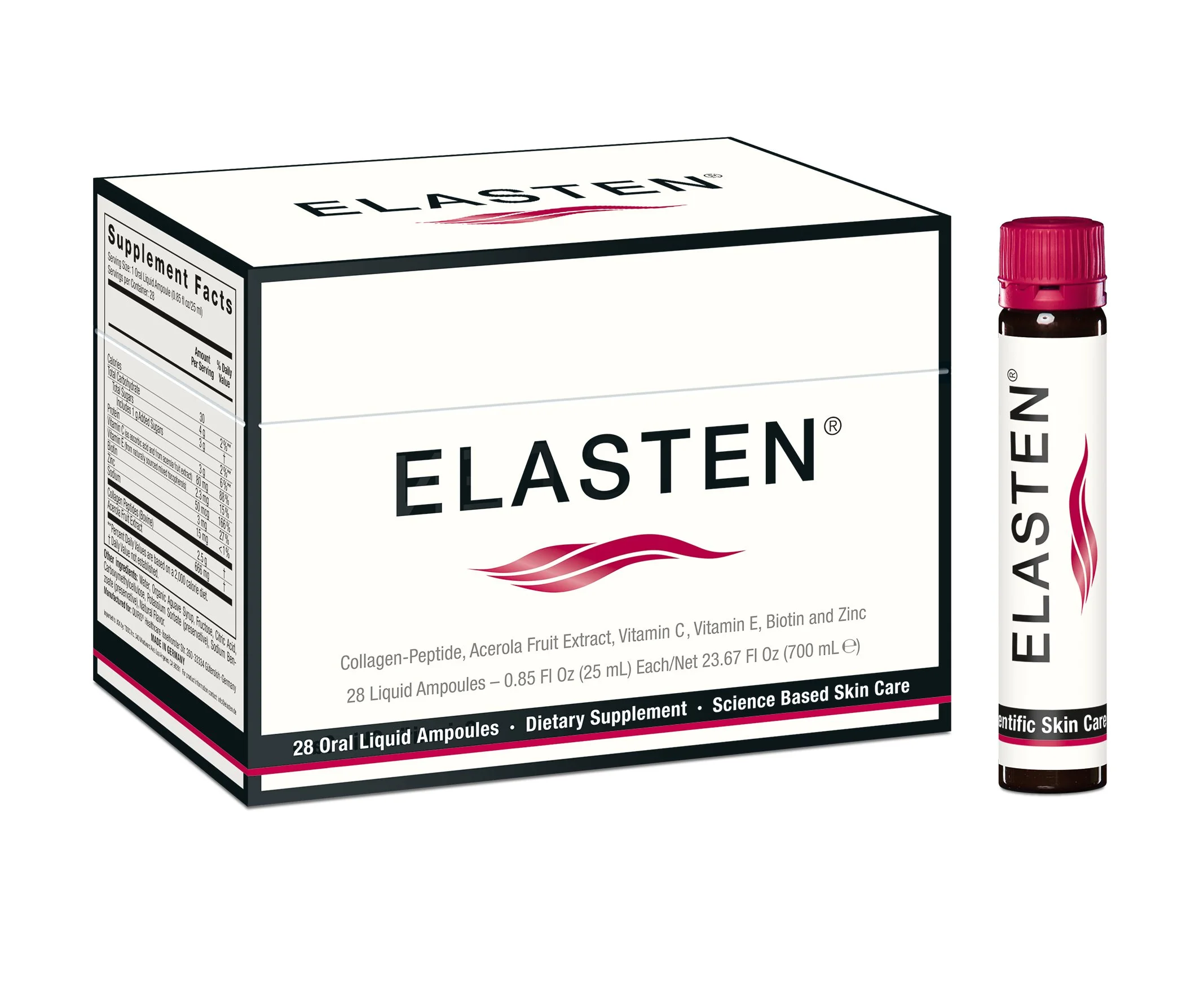
What’s also notable is how Elasten bridges the gap between medical credibility and modern beauty culture. In Europe, ingestible collagen has long been integrated into dermatologic care as part of a holistic approach to skin health. In the U.S., we’re only beginning to catch up. Elasten’s recent American launch represents a broader shift toward evidence-based ingestible skincare — one that aligns with how dermatologists already think about the skin as an organ influenced by nutrition, lifestyle, and internal health.
Importantly, ingestible collagen is not about replacing topical skincare or procedures; it’s about complementing them. When patients support their skin from within while maintaining a thoughtful topical regimen and sun protection, the results are often more comprehensive and more sustainable. This integrated approach reflects where skincare is headed — away from quick fixes and toward long-term skin resilience.
As the beauty and wellness industries continue to overlap, discernment is key. Not all collagen supplements are created equal, and clinical backing should be non-negotiable. Elasten’s commitment to research, quality, and physician trust signals a meaningful step forward for ingestible skincare — one that has the potential to change how we care for our skin, from the inside out.