
When the Face and the Hands Tell Different Stories
By Dr. Daniel Gould
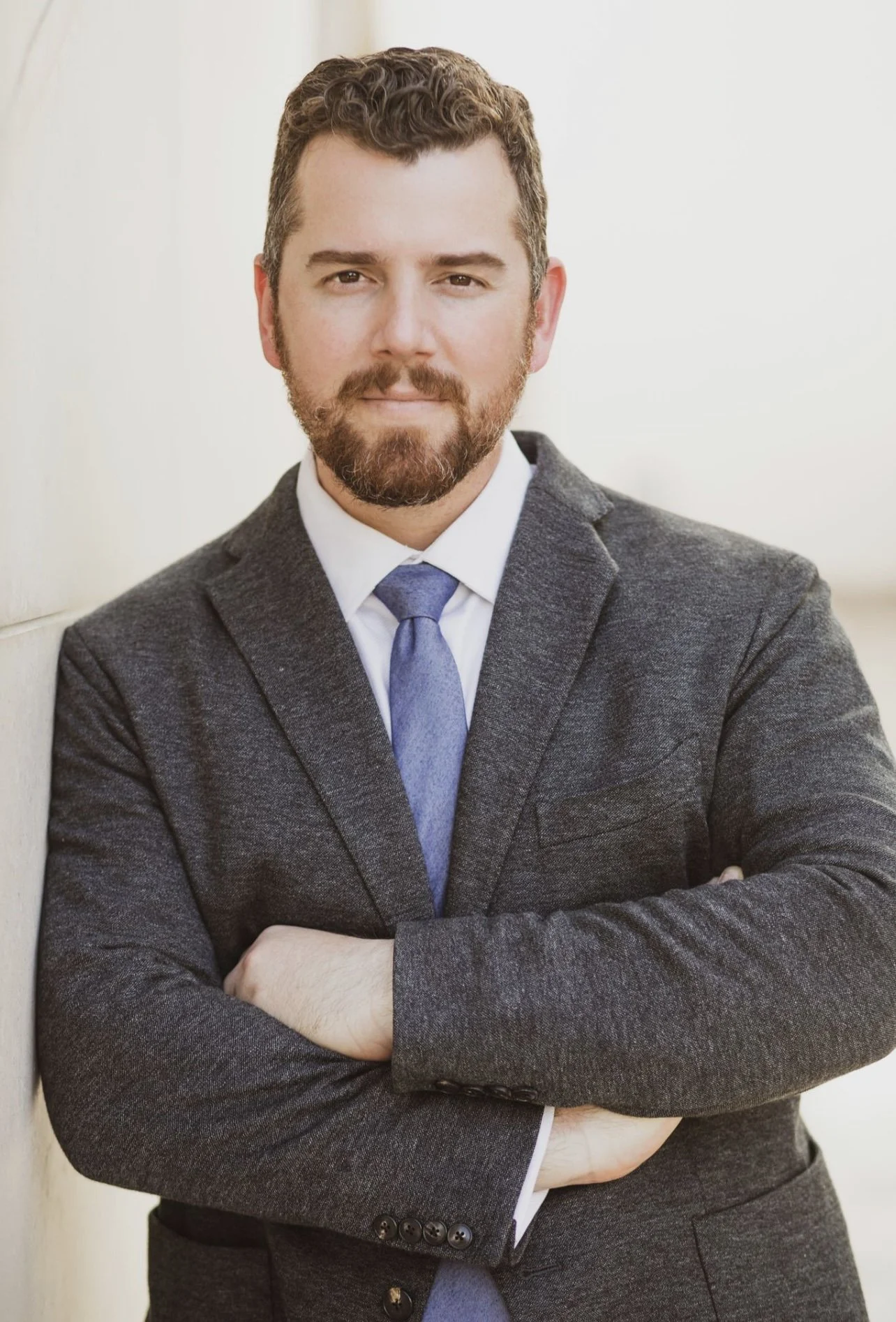
After decades of perfecting facial rejuvenation, we are finally addressing the part of the body that reveals what the face no longer does…
I am writing this to you from a short break between cases, in the surgeon's lounge, having just finished exactly the procedure I want to describe. A patient's hands. Nanofat and structural fat placed layer by layer into the dorsum, CO2 laser resurfacing across the surface, AquaGold micro-infusion of stem cells at the dermal level, and topical platelet-derived exosomes applied at the end of the case. About ninety minutes of concentrated work. I am typing this with the case still fresh in my head, which is probably the honest place from which to write about it.
A patient I have seen for years walked into my office not long ago. Her face was beautifully rested, cared for meticulously over a decade of thoughtful, restrained work. She sat down, glanced at her own hand resting on the arm of the chair, and said, "These do not match anymore, do they."
I have been turning that sentence over in my head ever since. Not because it surprised me, but because it did not. That moment happens now with a frequency I did not see even five years ago. The consultation that used to begin with "I want to look younger" now begins, more and more often, with something quieter and more honest. Patients want their face and their neck and their skin and their hands to look like they belong to the same person.
That is the change I want to write to you about.
Twenty years ago the practice of aesthetic medicine was largely a pursuit of wrinkles. A patient came in unhappy about a specific line or fold, we addressed it as an isolated problem, and both of us moved on. We measured our results against a photograph of that specific line, and rarely against the whole face. I remember training that way, and I remember believing it was the right way to think about the work. It was not.
What has happened in the intervening years, and what I think your readers deserve to understand, is that the field has grown up. We are no longer chasing individual features. We are pursuing congruency. When a face has been beautifully restored but the neck has not, the eye reads dissonance. When the neck has been addressed but the décolletage has not, the story falls apart in a different place. And when everything above the wrists has been cared for but the hands still belong to a different decade, the whole illusion breaks. The best aesthetic surgery I know how to practice today is not surgery that makes any one part of a person look younger. It is surgery that makes every part of them look like it belongs together.
Which is why the hands have become the frontier they have become.
They are not new. Hands have always aged. What is new is that patients and surgeons are finally paying attention to them, and the reason we are paying attention to them now is that everything else has caught up. When a face has been restored so precisely that no one can identify what was done, the hand becomes the last part of the visual story that has not been retold. It sits there on the dinner table, in the phone camera, in the gesture across a boardroom, and it holds the age the rest of the person has quietly moved past.
Hand aging is a different physiological problem from facial aging, and I think it is worth understanding why. The face descends. That is shorthand for what actually happens, which is a slow migration of ligaments, fat compartments, and soft tissue away from where they were originally anchored. Facial rejuvenation, done well, is really a return of those structures to where they began. The hand does not descend. The hand thins. The soft tissue scaffold between the metacarpal bones and the dorsal tendons deflates, the veins beneath become prominent, the skin loses collagen and dermal thickness, and the surface accumulates pigment from decades of light exposure. The sum of those changes is a hand that looks skeletal and crepey while the face above it looks rested and full. Two different problems. Two different solutions. One shared visual conversation.
The way I approach that solution is not with any single intervention. I have come to believe, over the last decade of operating and treating and revising the results of both, that aesthetic aging rarely responds to one thing. It responds to the layered application of many things, matched to what the tissue actually needs. On the hands specifically, this means using the patient's own fat to rebuild the structural scaffolding that has thinned, using more finely prepared fat and its regenerative fraction to signal the skin toward better dermal quality, using fractional CO2 laser resurfacing to remodel collagen and address surface pigment, delivering stem cells at the dermal level through devices like AquaGold, and pairing all of it with topical exosome preparations and medical-grade skincare, retinoids in particular, to maintain the biology of the skin over time. That is the exact sequence I finished on the case an hour ago, and it is representative of how I approach nearly every hand rejuvenation now.
When I integrate exosomes and other emerging regenerative technologies, I try to remain intellectually honest with my patients about where that science actually is. The clinical results have been genuinely encouraging. But some of the promises being made in the regenerative space are still ahead of the data, and I would rather understate what a treatment can do than overpromise it.
What I want to communicate, more than any specific list of treatments, is a way of thinking about tissue that I have come to hold quite deeply. Fat is not filler. It is living tissue, capable of adjusting the biological environment around it in ways that a synthetic product cannot. The best aesthetic medicine treats the human body as a biological system to be respected, not a surface to be corrected. Improving the quality of the tissue itself, not merely disguising the effects of its decline, is what allows a result to hold up over years rather than months. And healthy tissue, tissue that has been supported and signaled and cared for, ages better than tissue that has not. That principle applies as much to a hand as it does to a face.
There is a related idea I have been sitting with lately, and I think it is where the field is genuinely heading. Patients, at least the patients I sit across from, do not want to look younger anymore. They want to age intelligently. They want to arrive at seventy looking like themselves at seventy, still recognizable, still congruent, without the ghost of surgery in the room. That is a more subtle project than the aesthetics of twenty years ago, and it demands more of us. It demands that we treat the whole person, not the wrinkle in front of us. It demands that we choose preservation over replacement wherever we can. It demands that we take seriously the parts of the body that used to feel too minor to address, because a small area of dissonance can undo the whole result.
I do most hand rejuvenation in the same operative visit as facial or neck work. There is a practical logic to that. The fat is already being harvested. The patient is already inside a recovery window. Adding the hands adds relatively little time and produces the congruency that gives the rest of the work its full effect. But I do the procedure just as often on its own, as I did today, for patients who have not had facial surgery but who have noticed the same visual mismatch I described earlier. Either version works. The judgment is about what the patient actually needs, and it is a conversation, not a script.
I want to end where I would rather have started, if the shape of an essay allowed it. Perhaps the hands were never overlooked. Perhaps we simply were not ready, as a field or as patients, to appreciate how much they contribute to the way we perceive age. The best aesthetic surgery I know how to practice is not the surgery that makes one feature younger. It is the surgery that makes every feature tell the same story.
That is the direction I think the field is moving. And I am grateful, Maryam, for the space to think out loud about it. Now I need to go scrub back in.