
We Need to Stop Waiting for Alzheimer’s
Stop waiting for a cure, and start building brain resilience today.
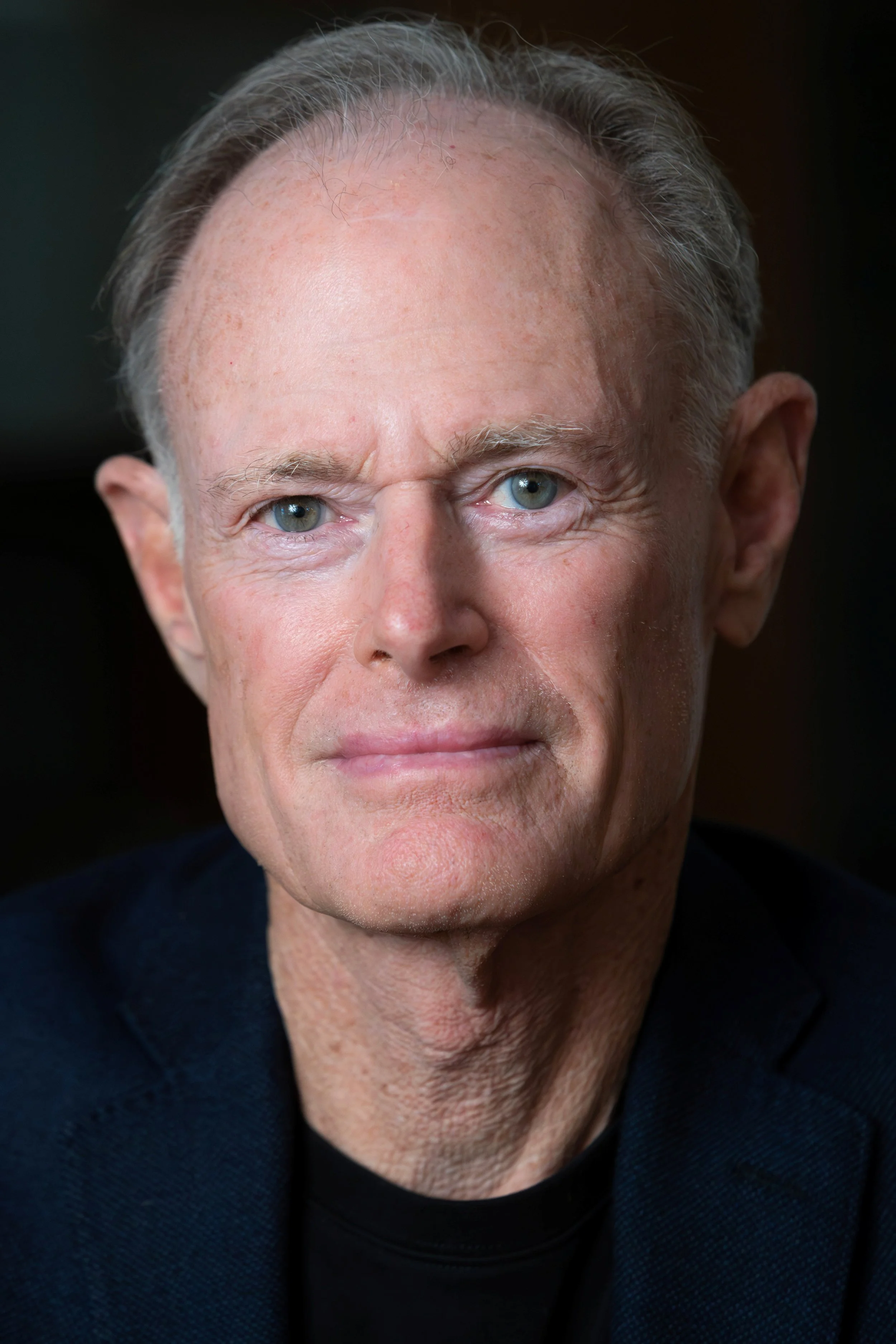
By Dr. David Perlmutter
For decades, we've been told a story about Alzheimer's disease. It goes something like this: wait until memory begins to fail, make the diagnosis, and then prescribe a drug designed to remove beta-amyloid from the brain. It sounds logical, and for years it has dominated research, clinical practice, and media coverage. Unfortunately, it has also distracted us from the most important opportunity we have to protect our brains.
The problem is that this approach simply doesn't work.
Despite tens of billions of dollars invested in the amyloid hypothesis, we have yet to develop a treatment that meaningfully changes the course of Alzheimer's disease for most people. More troubling still, this strategy ignores the decades-long process during which the disease is quietly developing, and the enormous opportunity we have to intervene long before symptoms ever appear.
The latest evidence makes this impossible to ignore. A comprehensive 2026 Cochrane review evaluated the newest generation of anti-amyloid monoclonal antibody drugs. While these medications successfully reduced amyloid deposits in the brain, they produced little if any clinically meaningful improvement in memory, thinking, or the ability to function independently. At the same time, they significantly increased the risk of serious adverse effects, including brain swelling, brain bleeding, hospitalization, and, in some cases, death.
That distinction is critically important. Removing amyloid is not the same thing as restoring brain health. We've confused changing a laboratory measurement with changing a person's future. Imagine trying to restore a dying forest by painting diseased trees green. The appearance changes, but the ecosystem remains unhealthy. That's essentially what we've been doing with Alzheimer's disease.
The unfortunate consequence is that millions of people have come to believe there is little they can do until symptoms begin. That message is not only discouraging, it is profoundly wrong.
Former President John F. Kennedy once said, "The time to repair the roof is when the sun is shining." I can think of no better description of how we should approach Alzheimer's disease.
By the time someone notices memory loss, the biological processes driving neurodegeneration have often been underway for twenty or even thirty years. Long before a diagnosis is made, inflammation has been smoldering, metabolism has become impaired, mitochondria have become less efficient, and the brain has gradually lost much of its resilience. Waiting until cognitive decline appears is like waiting until your home is flooded before repairing a leaking roof. At that point, damage control becomes far more difficult than prevention.
Fortunately, we now have compelling evidence that prevention is not simply possible, it may represent our greatest opportunity to reduce the burden of dementia.
The landmark 2024 Lancet Commission on Dementia Prevention, Intervention and Care reviewed decades of scientific evidence and concluded that addressing fourteen modifiable lifestyle and health factors could prevent or delay nearly half of dementia cases worldwide. Think about that for a moment. Nearly one out of every two people who might otherwise develop dementia may never do so if these factors are addressed throughout life.
That represents one of the most empowering messages in modern medicine.
But to understand why lifestyle has such a profound effect, we need to shift our attention away from beta-amyloid and toward what I believe is the real story of Alzheimer's disease: the brain's immune system.
In Brain Defenders, I describe the remarkable cells known as microglia. Once considered little more than the brain's housekeeping staff, these immune cells are now recognized as central players in virtually every neurodegenerative disease, including Alzheimer's, Parkinson's disease, ALS, and many others.
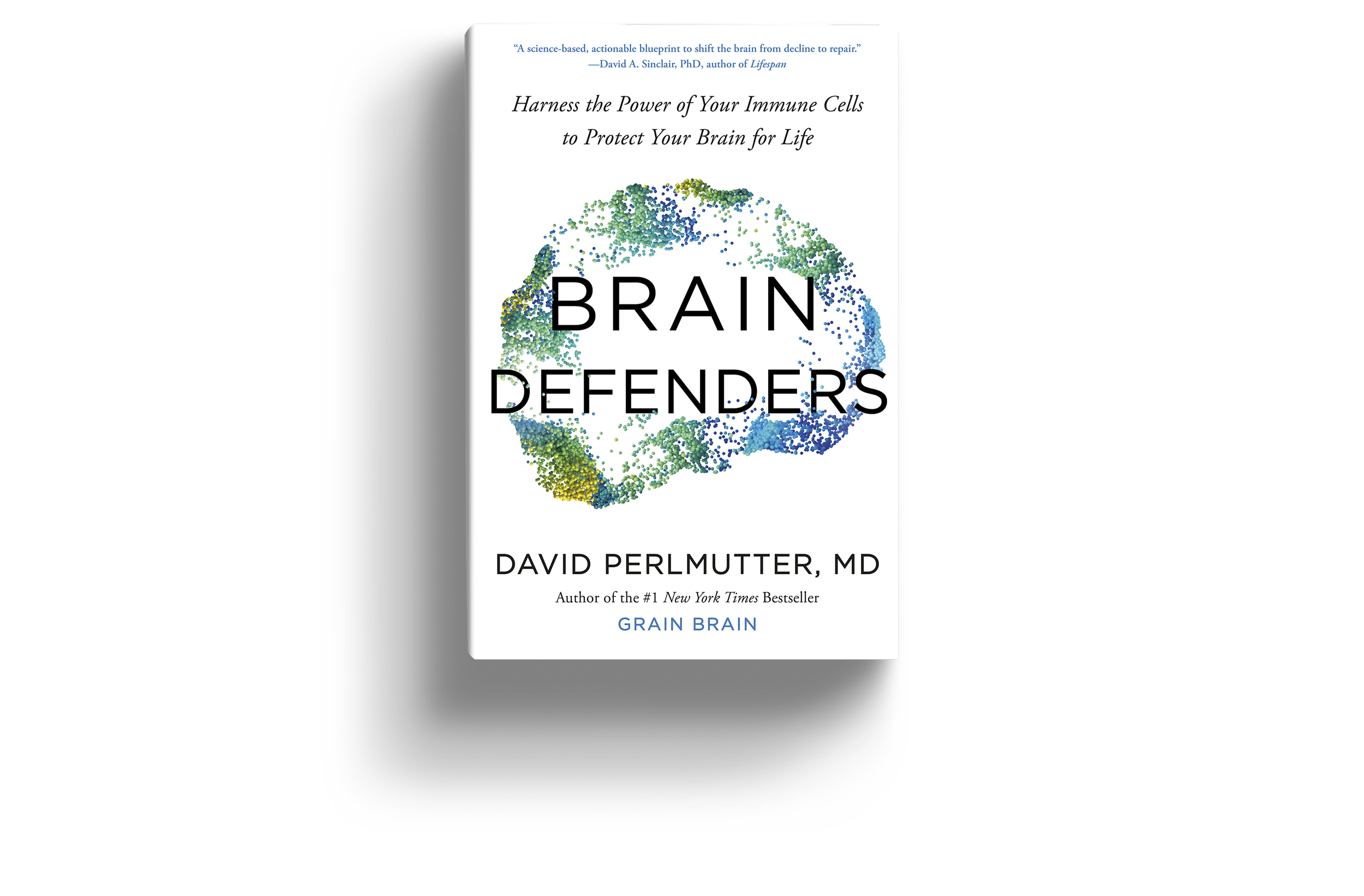
The cover of Dr. Perlmutter’s upcoming book.
Healthy microglia are extraordinary. They constantly patrol the brain, clearing away damaged cells and toxic debris. They eliminate worn-out synapses while strengthening important neural connections. They protect against infection, coordinate repair after injury, support the health of neurons, and help maintain the extraordinary adaptability that allows our brains to continue learning throughout life. Quite literally, they are the brain's defenders.
The problem is that microglia are incredibly sensitive to the environment we create for them.
Chronically elevated blood sugar, insulin resistance, excess visceral fat, highly processed foods, physical inactivity, poor sleep, chronic psychological stress, social isolation, environmental toxins, and even disturbances in the gut microbiome can all push these cells away from their protective role and into a chronically activated inflammatory state. Once that happens, they begin producing inflammatory chemicals that damage synapses, impair communication between neurons, disrupt energy production, and make the brain increasingly vulnerable to degeneration.
This shift in microglial behavior helps explain why Alzheimer's disease is so closely associated with metabolic dysfunction. It also explains why simply removing amyloid misses the bigger picture. Amyloid may be present, but it is the environment surrounding those plaques, and particularly the behavior of microglia, that often determines whether the brain remains resilient or begins to fail.
The exciting news is that microglia are remarkably responsive to positive lifestyle choices. Unlike our genes, our daily habits are largely under our control. Every meal, every walk, every night's sleep, every meaningful conversation, and every effort to reduce stress sends signals that influence whether these immune cells remain protective or become destructive.
When people ask me where to begin, I focus on five foundational interventions.
First, optimize metabolic health. Stable blood sugar and improved insulin sensitivity may be the single most important strategy for maintaining healthy microglial function. This means emphasizing whole, unprocessed foods while minimizing refined carbohydrates and ultra-processed products that drive inflammation.
Second, exercise regularly. Physical activity improves mitochondrial function, increases insulin sensitivity, stimulates brain-derived neurotrophic factor (BDNF), reduces systemic inflammation, and helps keep microglia functioning as protectors rather than aggressors. Exercise is one of the closest things we have to a true brain-protective medicine.
Third, prioritize restorative sleep. Deep sleep is when the brain clears metabolic waste through the glymphatic system, recalibrates immune activity, consolidates memory, and restores itself. Chronic sleep disruption places microglia into a persistent inflammatory state that increases vulnerability to cognitive decline.
Fourth, cultivate meaningful social connection while continuing to challenge your brain. Human relationships, curiosity, lifelong learning, and a strong sense of purpose all enhance cognitive resilience while reducing the harmful biological effects of chronic stress.
Finally, spend time in nature and actively manage stress. Time outdoors, mindfulness practices, meditation, gratitude, and other stress-reduction techniques calm inflammatory pathways that otherwise chronically activate the brain's immune system. These are not luxuries—they are biological interventions that influence how the brain ages.
Notice that none of these interventions targets beta-amyloid directly. Instead, they improve the environment in which the brain either thrives or degenerates. They work upstream, addressing the biological processes that determine whether the brain remains resilient in the face of aging and disease.
This is why I remain profoundly optimistic about the future of brain health. We now understand that our everyday choices communicate directly with our genes, our metabolism, our mitochondria, our microbiome, and, perhaps most importantly, our brain's immune cells. Those signals accumulate over decades, shaping whether our brains age with vitality or succumb to neurodegeneration.
The future of Alzheimer's will not be transformed simply by developing another drug that removes another protein from the brain. It will be transformed when we stop waiting for disease to appear and start building brain resilience decades before symptoms begin.
We don't have to sit on the sidelines hoping Alzheimer's never arrives. We have the opportunity, beginning today, to create the biological conditions that allow our brains to remain healthy, adaptable, and resilient throughout life.
That, to me, is the future of Alzheimer's prevention. And it is one of the most hopeful messages medicine has ever had to offer.
Dr. David Perlmutter is a Board-Certified Neurologist and six-timeNew York Times best-selling author whose work focuses on the intersection of neurology, nutrition, and brain health. A Fellow of the American College of Nutrition, he serves on its Board of Directors and on the Editorial Board of the Journal of Alzheimer’s Disease. His books, including the #1 bestseller Grain Brain, have been published in 32 languages and sold over a million copies. Dr. Perlmutter lectures globally at leading institutions and has been featured on major media outlets including 20/20, CNN, The Today Show, and Oprah.His contributions have earned him numerous national and international awards for clinical innovation and leadership. His upcoming book,Brain Defenders, focuses on the pivotal role of microglia, the brain’s immune cells, in protecting, repairing, and reprogramming the brain for lifelong resilience, and is now available for pre-order.