
Why Do I Look Tired? Understanding the Aging Eye
By Dr. Mehryar (Ray) Taban, M.D., F.A.C.S.
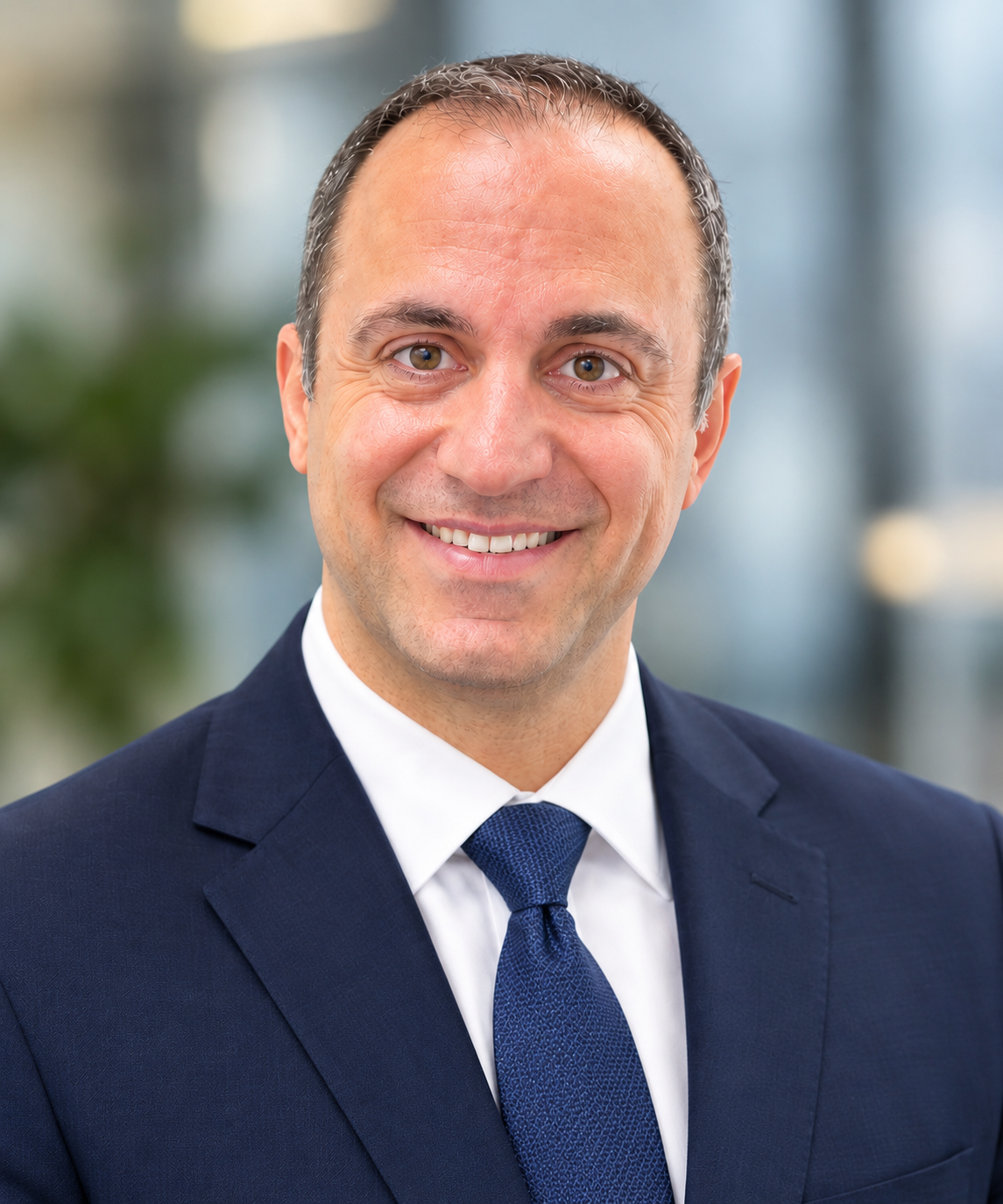
There is a peculiar dissonance that many people begin to notice with age. They feel well-rested, energetic and entirely themselves, yet the face looking back at them in the mirror seems to suggest otherwise.
The eyes, in particular, have an extraordinary influence on how we perceive one another. A subtle change in the architecture surrounding them can communicate fatigue, sadness or age even when none of those qualities reflects how a person actually feels. As an oculoplastic surgeon, I hear some version of the same question with remarkable frequency: “Why do I look so tired when I am not?”
The answer is rarely as simple as it appears. The aging eye is not governed by a single process. Sometimes the culprit is a prominence of fat beneath the lower eyelid, creating what we commonly call under eye bags. Sometimes the upper eyelids have become heavier because the skin has lost its elasticity. At other times, the brow has descended, adding weight to the upper eyelid and altering its appearance. There are also patients whose eyes appear more hollow as a consequence of age related volume loss. Pigmentation can deepen the impression of fatigue, while previous filler treatments can occasionally create persistent puffiness that makes the eyes look more tired rather than more youthful.
These distinctions matter because the appropriate treatment depends upon understanding what has actually changed. This may seem obvious, but it is surprisingly easy to confuse one problem for another. A hollow is not the same thing as lax skin. A drooping eyelid is not the same thing as excess eyelid skin. Brow descent is not the same thing as either. And a shadow beneath the eye may be caused by anatomy, pigmentation, volume loss or some combination of all three.
The objective should never be to perform a procedure simply because a patient dislikes something in the mirror. The more thoughtful approach is to determine what is producing that particular appearance and then intervene as conservatively as possible. The goal is not to manufacture a new face, but to create a more refreshed version of the face that is already there.
For patients with prominent lower eyelid fat, lower blepharoplasty can be an exceptionally effective procedure. But contemporary eyelid surgery is not simply a matter of removing as much fat as possible. Excessive removal can produce a hollow, sunken appearance that may be more aging than the original under eye bags. Preserving the natural contour of the eye, while maintaining normal eyelid position and function, is fundamental to a good result.
The upper eyelid presents a different set of considerations.
Some patients have true eyelid drooping, known medically as ptosis. This occurs when the mechanism responsible for elevating the eyelid does not function normally. Depending upon the severity and the individual circumstances, ptosis may be treated surgically or, in selected patients, with an eyelid elevating medication such as Upneeq.
Other patients do not have true ptosis at all. Instead, they have excess or lax upper eyelid skin that has gradually begun to drape over the eyelid crease. This is what many people describe as hooding. An upper blepharoplasty can remove the redundant skin and restore a cleaner, more open appearance to the upper eyelid.
Then there is the brow. As we age, the brow can descend and contribute to the heaviness of the upper eyelid. In some patients, subtle brow descent can be improved with carefully placed botulinum toxin. When the descent is more pronounced, a brow lift may be appropriate. In certain cases, an upper blepharoplasty and brow lift are best considered together because treating only one component can leave the underlying imbalance unresolved.
This is why the increasingly popular notion that there is a single “best” treatment for aging around the eyes is misleading. Botulinum toxin (Botox) has a well defined role. It can soften dynamic wrinkles produced by muscular movement, but it does not remove excess skin, correct under eye fat bags or restore lost volume.
Filler has a different purpose. It can restore volume in carefully selected patients whose appearance is affected by hollowing. But filler cannot tighten lax eyelid skin, and the delicate anatomy beneath the eyes makes this an area where more is not necessarily better. Filler can attract fluid and produce edema or persistent swelling. Some patients who believe they need more volume actually need less. When under eye filler is responsible for puffiness, dissolving it may be more appropriate than adding another treatment on top of it.
Blepharoplasty occupies yet another category. It is particularly useful when excess eyelid skin or prominent fat is contributing to the appearance of aging. But the quality of the result depends enormously upon technique and judgment. Eyelid surgery is not simply an exercise in subtraction. Knowing what to preserve can be every bit as important as knowing what to remove.
This distinction becomes particularly important when patients ask whether they are candidates for a “bleph.”
Upper blepharoplasty is often regarded as a purely cosmetic procedure, but that is not always the case. When excess upper eyelid skin becomes sufficiently pronounced, it can encroach upon the peripheral field of vision. In those circumstances, removing the redundant skin may provide a genuine functional benefit as well as an aesthetic one. Depending upon the degree of visual impairment and the applicable insurance requirements, such surgery may qualify for coverage.
For many other patients, the motivation is entirely cosmetic, and that is equally legitimate. The important question is not whether the procedure is labeled cosmetic or functional, but whether the anatomy warrants intervention and whether the intervention can be performed without compromising the natural character or function of the eye.
The best eyelid surgery is often remarkably discreet.
A patient should look more rested, more open and perhaps somewhat younger, but still unmistakably like herself. The eyes should not announce that they have been operated upon. Ideally, the improvement is perceived as an absence of something that was previously distracting rather than the presence of something artificial.
That requires restraint. It also calls for realistic expectations about recovery. With minimally invasive techniques, recovery from upper and lower blepharoplasty is generally relatively quick and well tolerated. The first day is principally about rest and allowing the tissues to settle. After that, patients can generally walk, read and use screens, although strenuous physical activity should be avoided for approximately one week.
The most obvious bruising and swelling typically diminish substantially within about ten days. The tissues, however, continue to mature and refine beyond that point, which is why the early postoperative appearance should not be mistaken for the final result.
There is another period of life when these changes can become particularly noticeable: menopause.
Aging around the eyes is a continuous process, but the years surrounding menopause can bring meaningful changes in skin elasticity and facial volume. Hormonal shifts can affect the quality and resilience of the skin, while changes in the distribution and amount of facial fat can alter the contours around the eyes.
For women in their forties, fifties and beyond, changes that once seemed imperceptible may suddenly become more apparent. The upper eyelids may feel heavier. The brow may sit lower. The lower eyelids may appear more hollow or more puffy. The face can begin to look tired even when the person herself feels perfectly well. This is an important distinction.
The face does not always accurately reflect the vitality of the person behind it.
Fortunately, not every change requires a procedure. Not every hollow needs filler. Not every hooded eyelid requires surgery. Not every wrinkle needs to be treated. And pigmentation, which can be particularly resistant to treatment, is sometimes best managed with something as simple and effective as concealer.
The art of oculoplastic surgery lies partly in knowing the difference. The eyes occupy a unique territory in aesthetic medicine because they are both functional structures and profoundly expressive ones. The eyelids protect the eye, distribute the tear film and contribute to the visual field, but they also communicate something deeply human about how we feel and how others perceive us.
That is why rejuvenating the eyes should never be reduced to a discussion of removing skin, injecting filler or relaxing a muscle.
It begins with understanding anatomy too. What has changed? What has been lost? What has descended? What has become excessive? And, perhaps most importantly, what should be left alone?
The goal is not to erase the evidence of having lived, nor to create an unfamiliar version of oneself. It is to restore proportion, preserve function and allow the eyes to look more closely aligned with the vitality of the person they belong to.
Perhaps that is the most meaningful definition of rejuvenation—not looking different, simply looking more like yourself.